Gateway of India
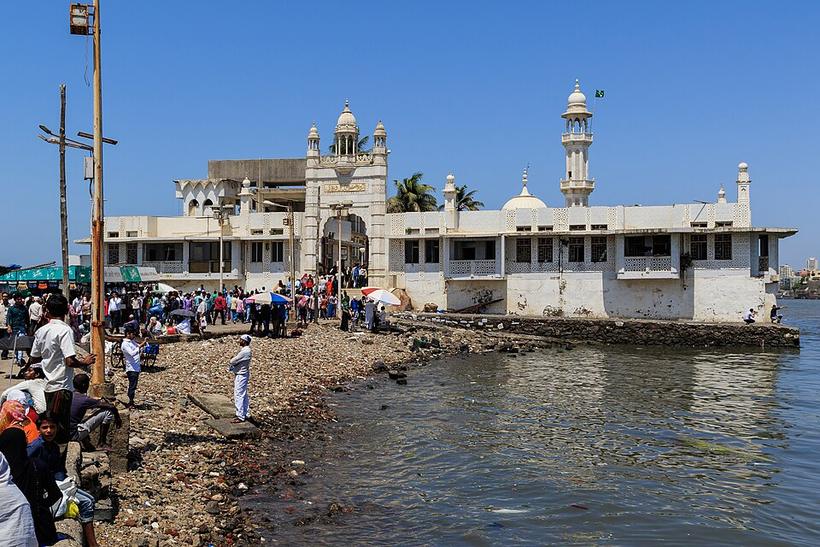
Built for a British king's visit; the last British troops left through it in 1948
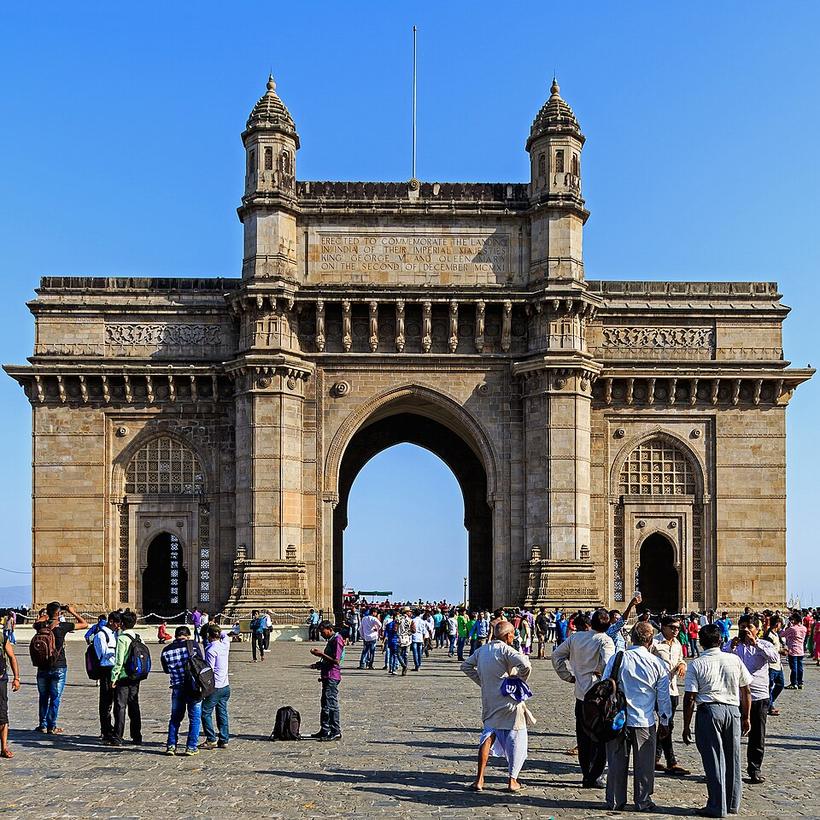
A basalt arch on the harbour, built to mark King George V's 1911 visit and finished in 1924. Ferries to the Elephanta Caves leave from its steps.
على شمالك · To Your Left · trip plan, draft 1
Who won India's freedom from Britain, and who is winning India now?
Six cities in twenty days. Each one is a travel episode on the surface, with the story underneath.
Episode 1 of 6
Really about: Who freed India? Gandhi, and the people he overshadowed

Dawn at the Gateway, ferries and pigeons; walk to camera

Rush hour on the local train, then the Gothic station

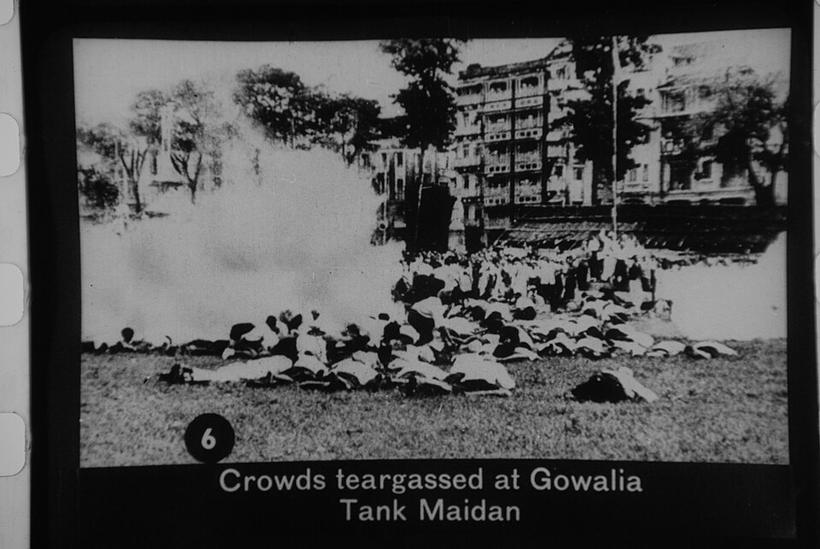
The park today, cut with the 1942 photo of crowds being tear-gassed

His room, the spinning wheel, his letters
The memorial in Colaba, the naval harbour behind it

Blue flags at the stupa where he was cremated

1 May: flowers at the memorial, union marches

Potters' kilns in Dharavi, luxury towers on the skyline
Studio

The seafront lights

Built for a British king's visit; the last British troops left through it in 1948
A basalt arch on the harbour, built to mark King George V's 1911 visit and finished in 1924. Ferries to the Elephanta Caves leave from its steps.

Where Quit India was launched on 8 August 1942
A small park in Gowalia Tank where the Congress met and launched Quit India. Today it's an ordinary neighbourhood park with a memorial to 1942.

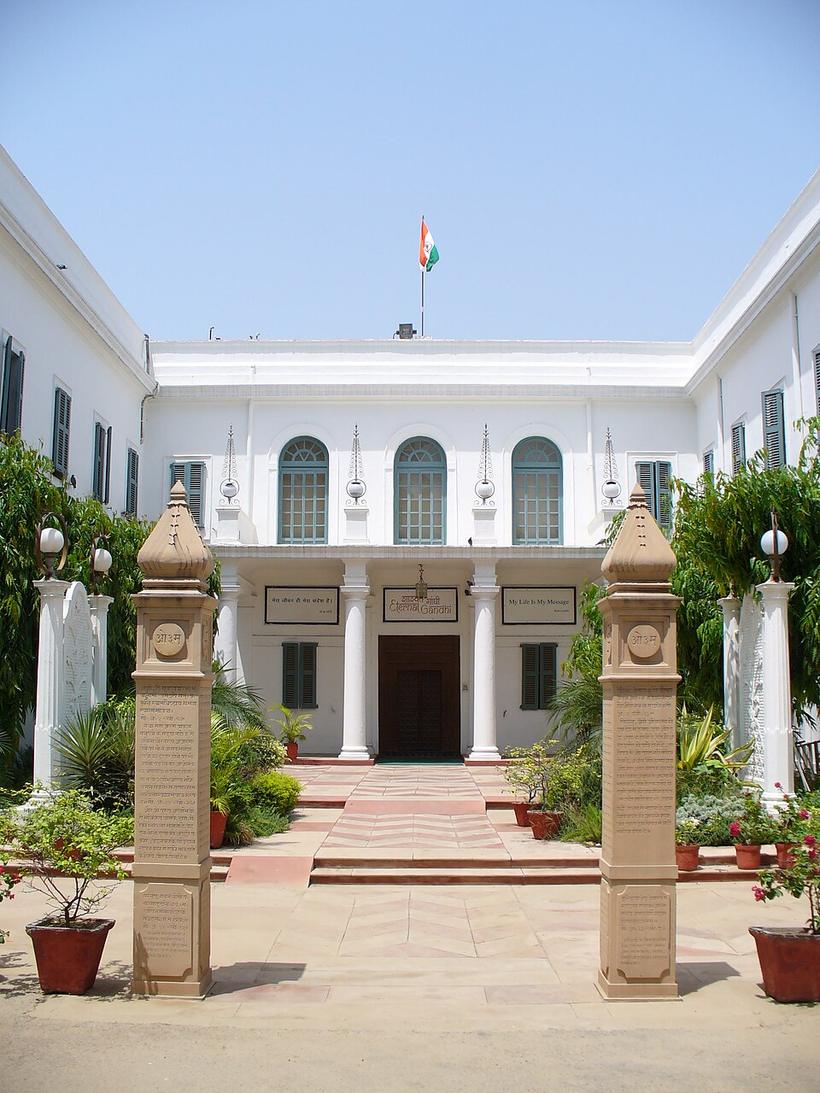
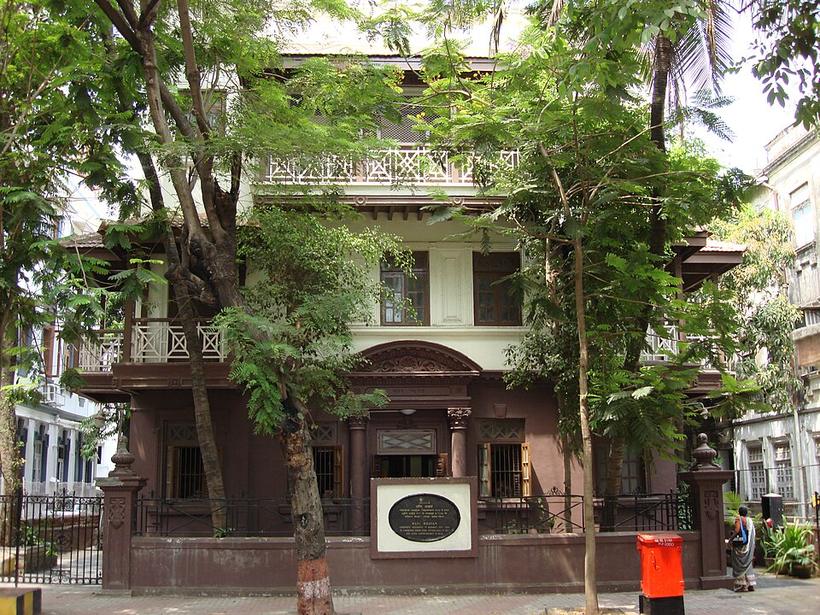
Gandhi's Mumbai base from 1917 to 1934
The house of a Gandhi supporter on Laburnum Road, where Gandhi stayed on every Bombay visit. His room, letters and a photo gallery are kept as a museum.
Colaba memorial to the 1946 sailors' revolt
A small memorial in Colaba to the sailors who rose against the British in February 1946. We confirm the exact spot and access before we go.

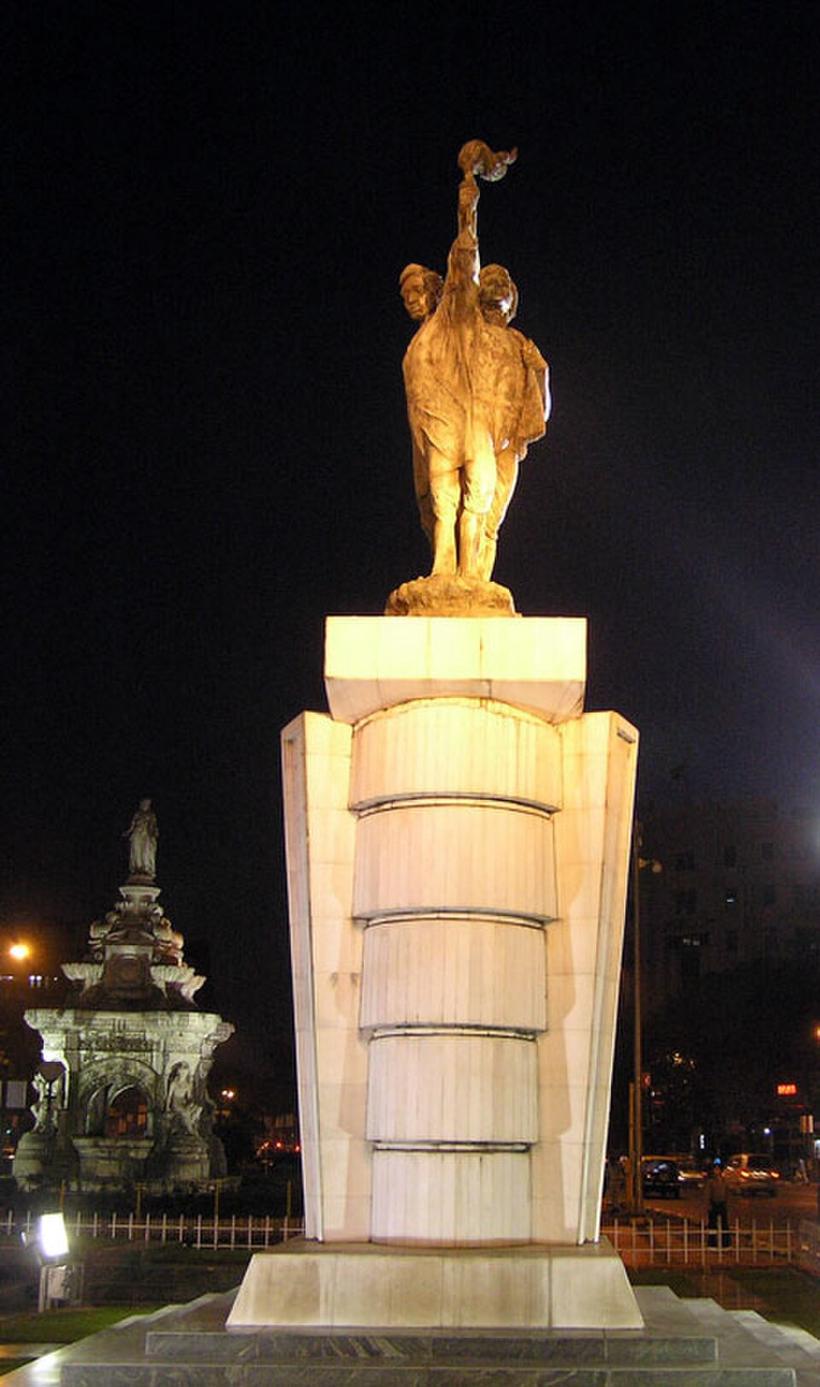
Martyrs' Square, by the old Flora Fountain
Remembers 106 people killed in 1955–56 in the fight for a Marathi-speaking state. Maharashtra was born on 1 May 1960, so this is where May Day happens.

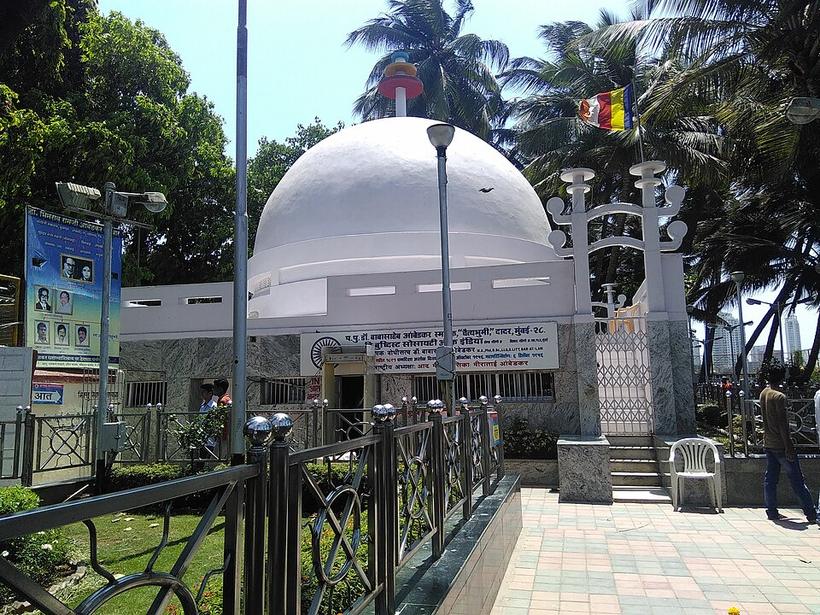
Where Ambedkar was cremated in 1956
A stupa on the Dadar seafront. Every 6 December, the anniversary of his death, hundreds of thousands of his followers come here.

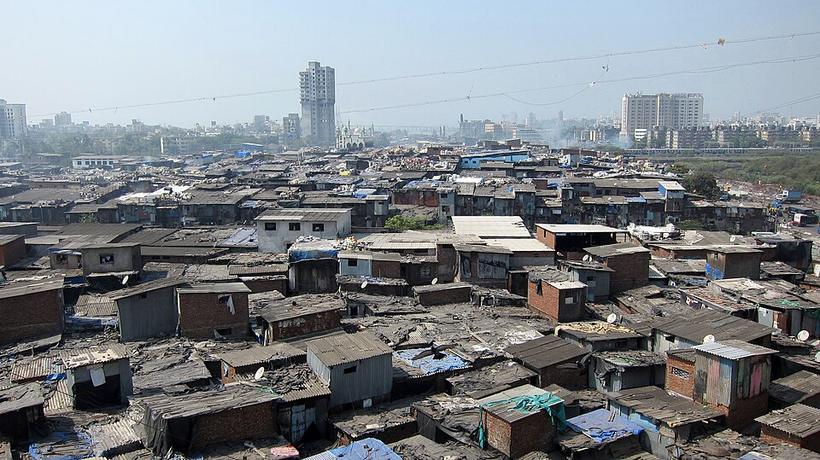
Potters, tanners and recyclers, now handed to Adani
One of Asia's biggest informal settlements, and a working city of potters, leather workers and recyclers. Adani started building the first redevelopment flats in October 2026.

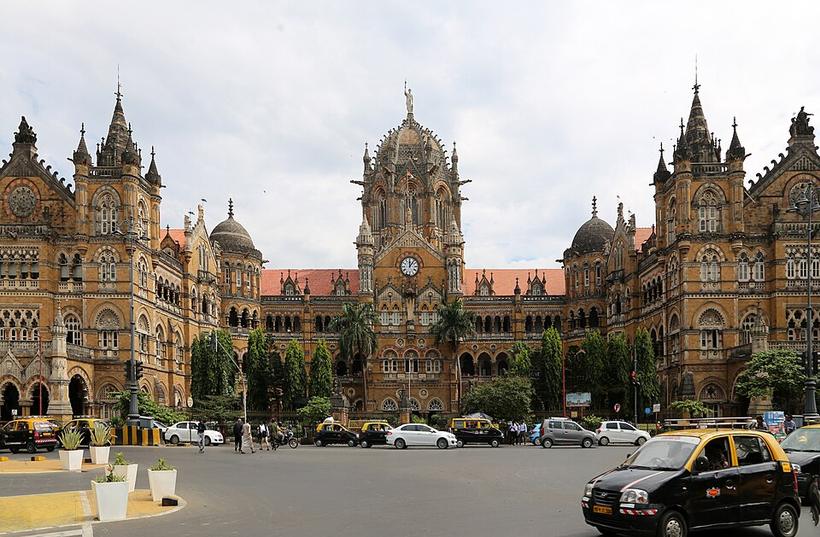
Victorian Gothic railway palace
Opened in 1888 as Victoria Terminus and now a UNESCO World Heritage Site. Millions of commuters pass through it every day.

A Sufi shrine in the sea
A mosque and tomb built in 1431 on an islet off the coast, reached by a causeway that floods at high tide.

The seafront locals call the Queen's Necklace
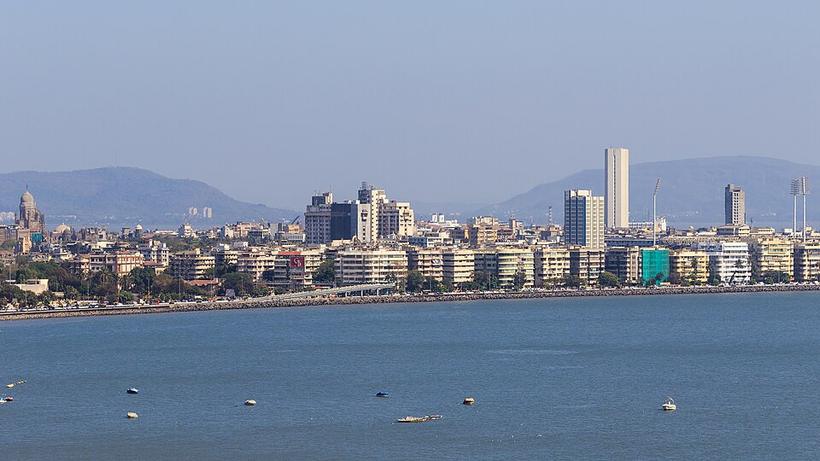
A 3.6 km promenade lined with Art Deco buildings. At night the streetlights curve along the bay like a necklace.

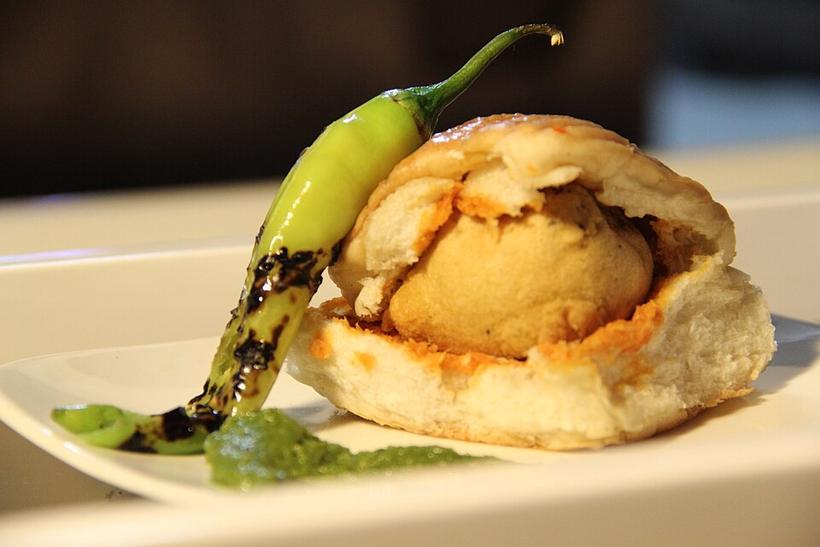
The potato-fritter bun that fed the mill workers

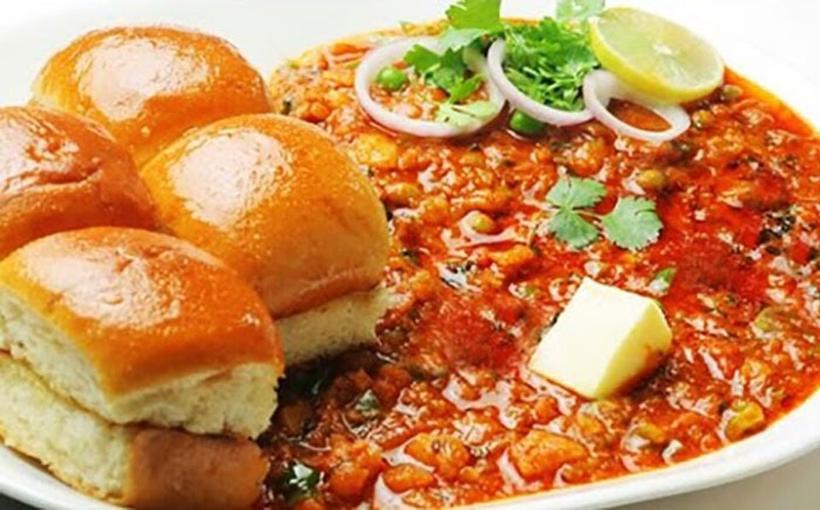
Buttery vegetable mash, born as cheap late-night food

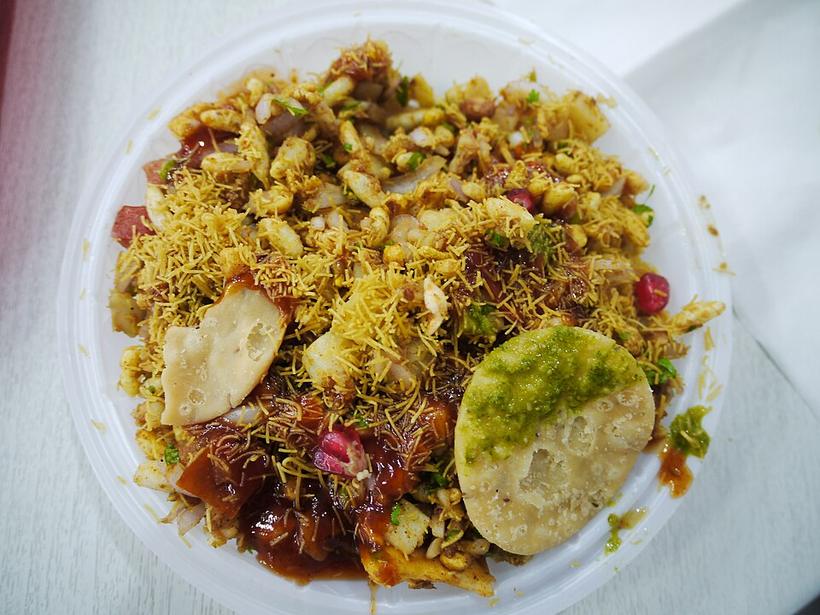
Puffed-rice salad, eaten on Chowpatty Beach

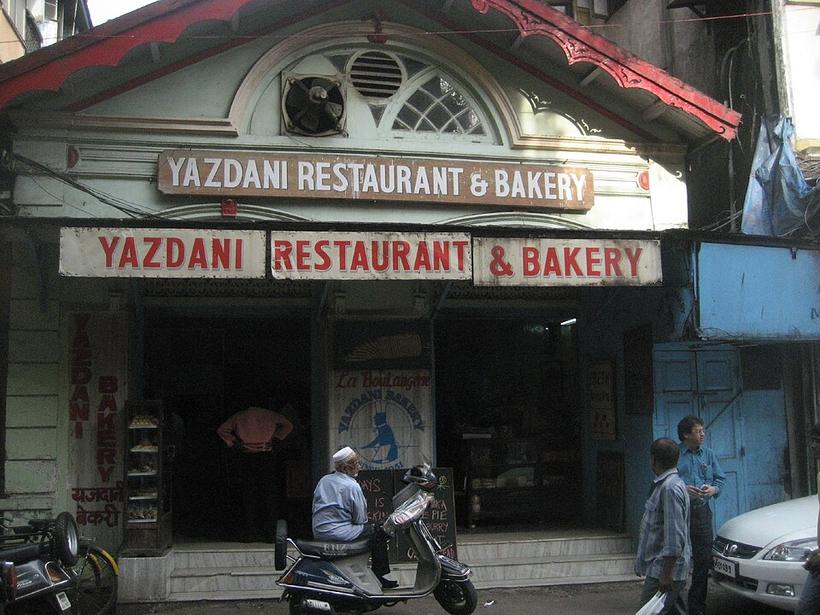
Butter bun and sweet tea in an old Irani café

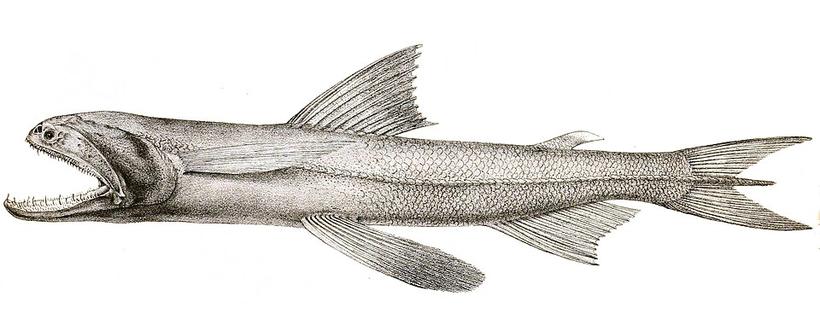
Bombay duck: a fish, fried crisp

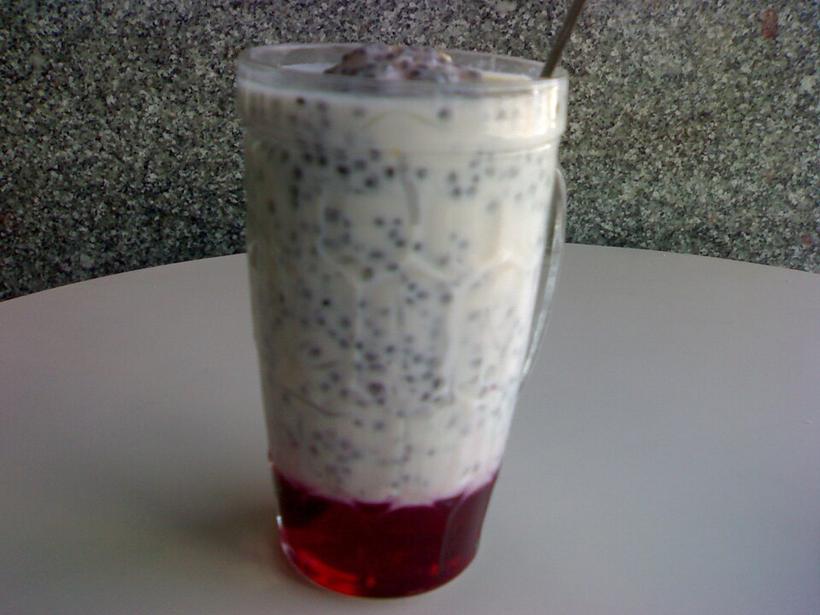
Rose milk, noodles and ice cream in one glass
Episode 2 of 6
Really about: The red state that just fell

Fishermen lowering the giant nets into the water

Sacks of pepper and ginger in the old warehouses

Blue Chinese floor tiles, the clock tower

The old church, then the palace murals
Hammer-and-sickle murals, a party office, old photos
Party members, and voters who switched

Backwaters, a toddy shop, big 'Gulf houses'
Studio

Painted faces of gods and demons; then the night train

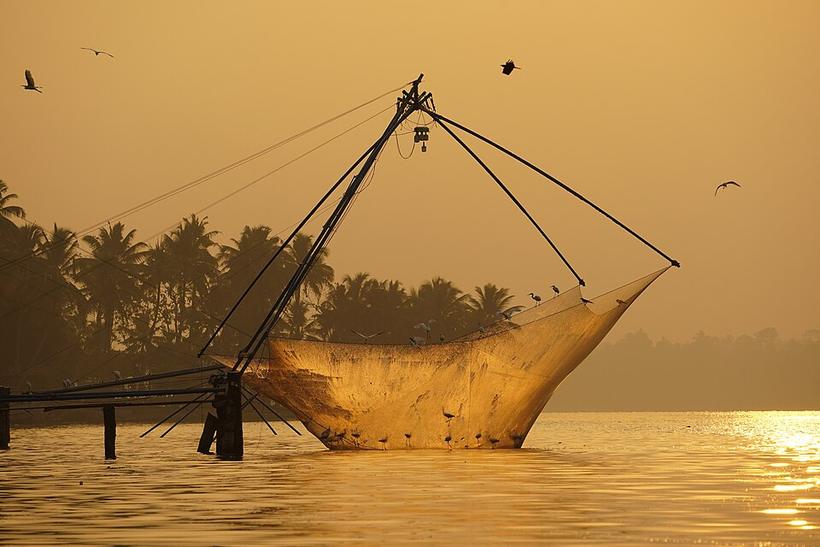
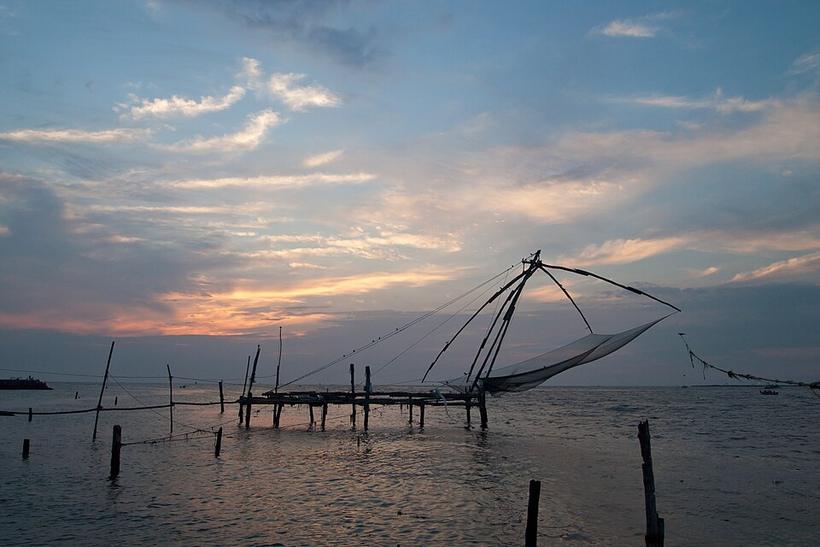
Giant shore nets, Kochi's icon
Shore-operated lift nets, said to have come with Chinese traders centuries ago. Teams of fishermen work them at dawn and sell the catch on the spot.

The trade that once fed Roman Egypt
A lane of old warehouses still trading pepper, ginger and cardamom, with antique shops in between. You smell the spices before you see the sacks.

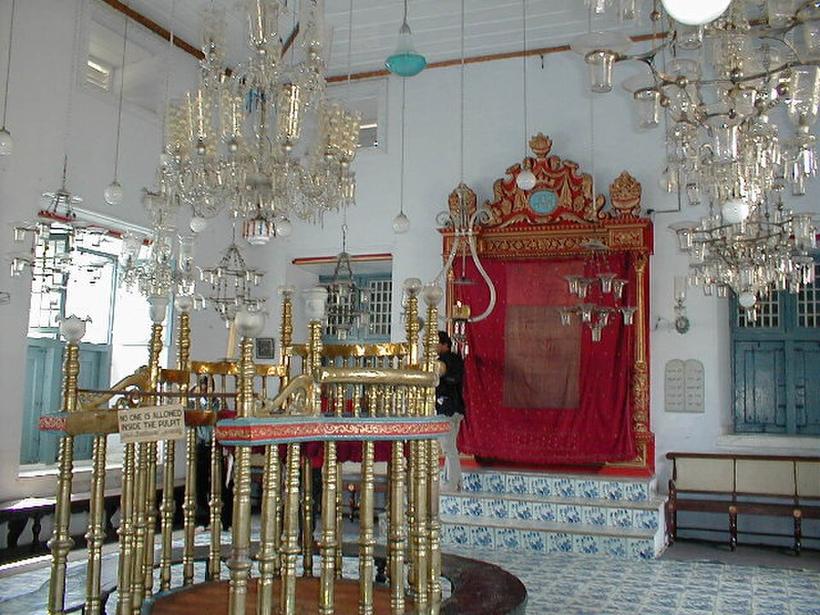
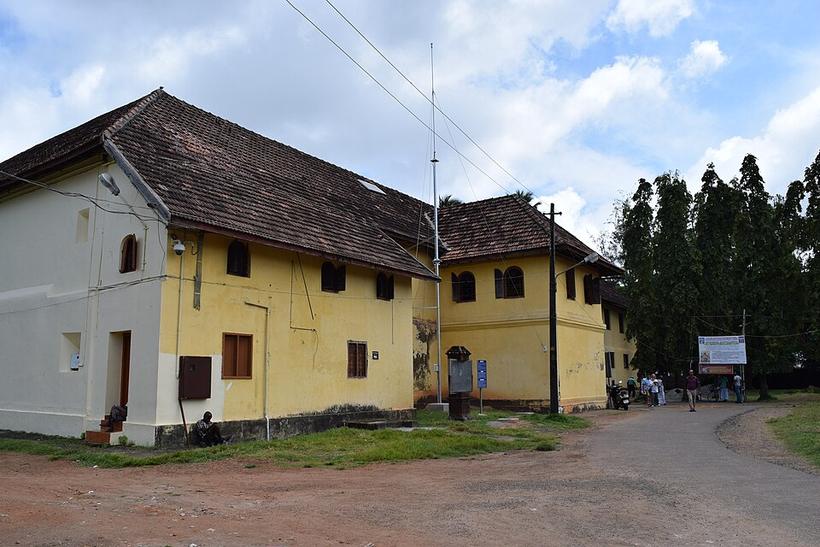
Built 1568, the oldest active synagogue in the Commonwealth
Built by Kochi's Jewish community, with hand-painted Chinese floor tiles and a clock tower. Only a handful of Kochi's Jews remain.

Portuguese-built, Dutch-rebuilt
Built around 1545 by the Portuguese as a gift to the raja of Kochi, then rebuilt by the Dutch. Inside are some of Kerala's finest murals.

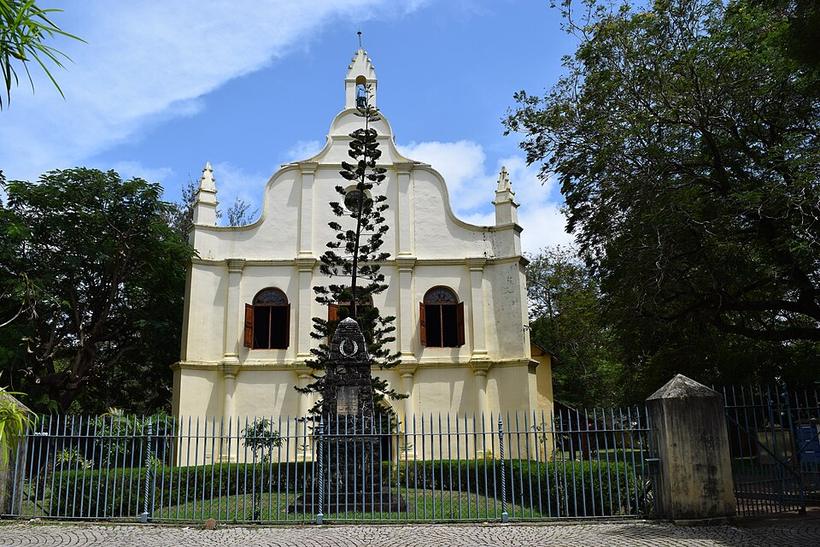
Vasco da Gama's first grave
One of the oldest European churches in India. Vasco da Gama was buried here in 1524 before his remains were taken back to Portugal.

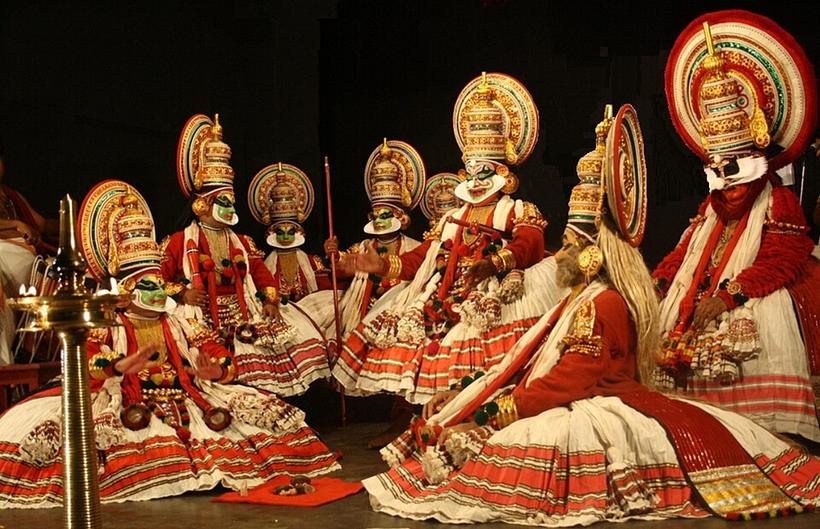
Painted-face dance drama
Kerala's classical dance drama: hours of make-up, then gods and demons acted out with eyes and hands. Fort Kochi theatres run short evening shows.

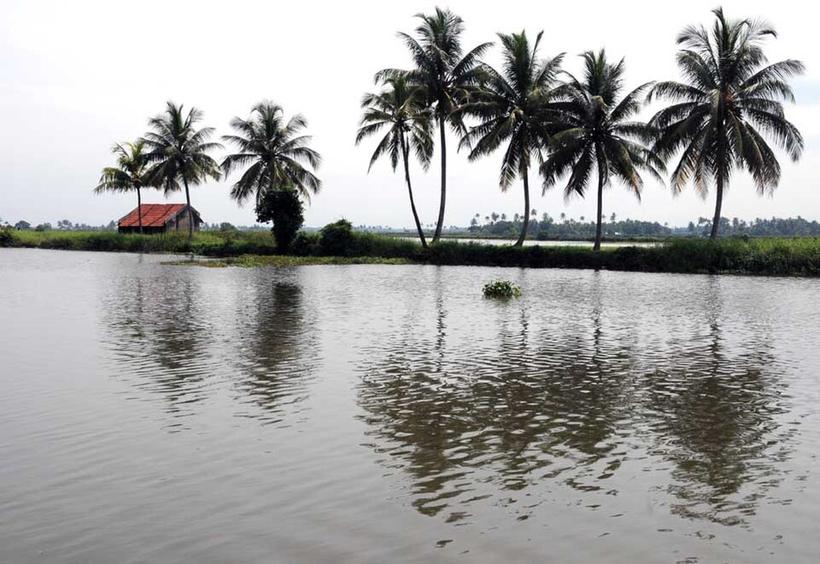
Palm toddy and spicy fish by the water
Canals and lagoons behind the coast, lined with palms. Toddy shops serve fresh palm wine with fiery fish curry.
After the 2026 defeat
Red flags, Marx and Che on the walls, party offices in every town. The mood inside after the May 2026 defeat is the story.

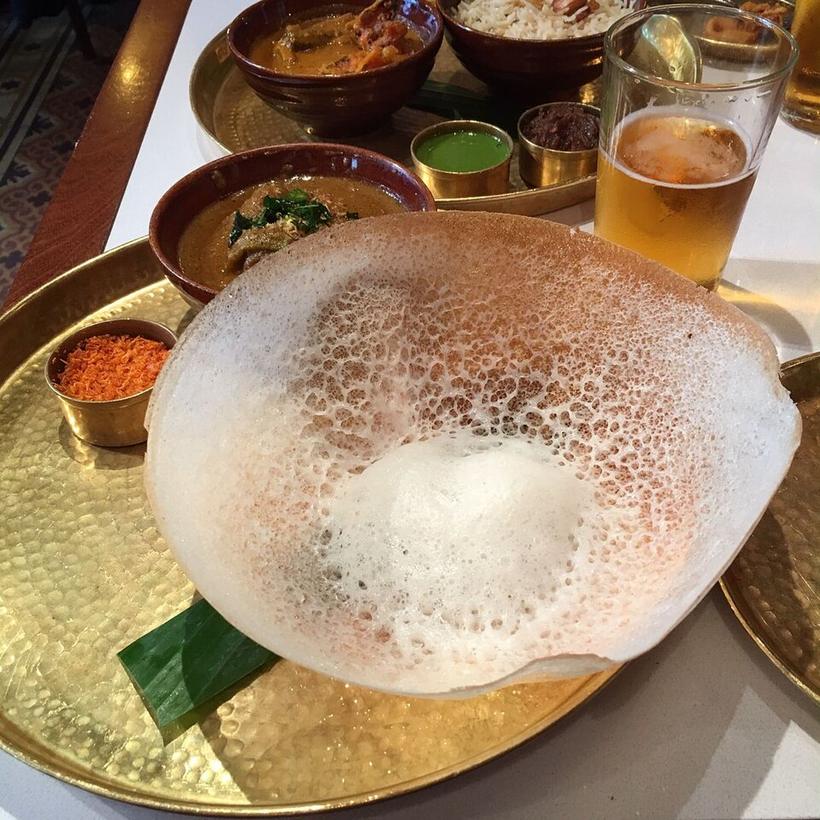
Lacy rice pancakes with coconut stew

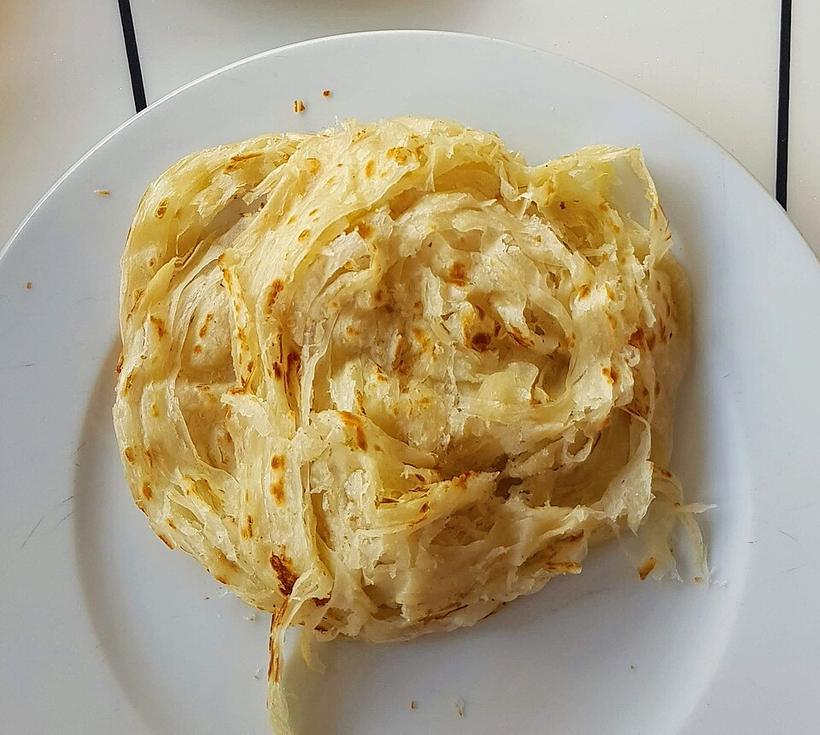
Flaky bread with beef: everyday here, political elsewhere in India

Pearl-spot fish roasted in a banana leaf

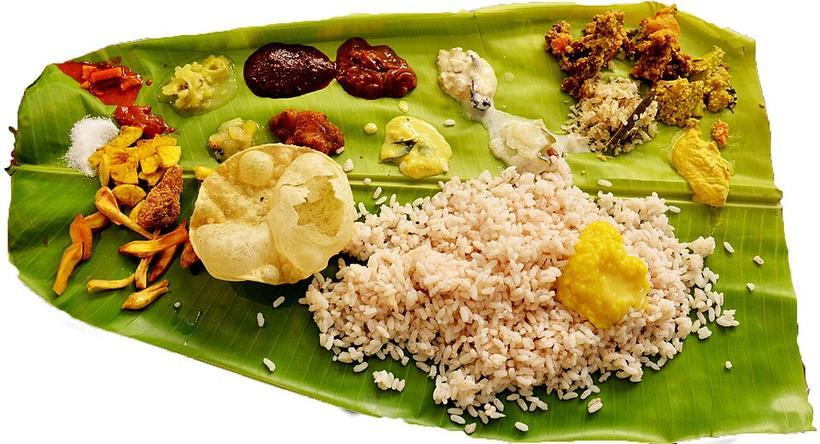
A feast on a banana leaf, eaten by hand

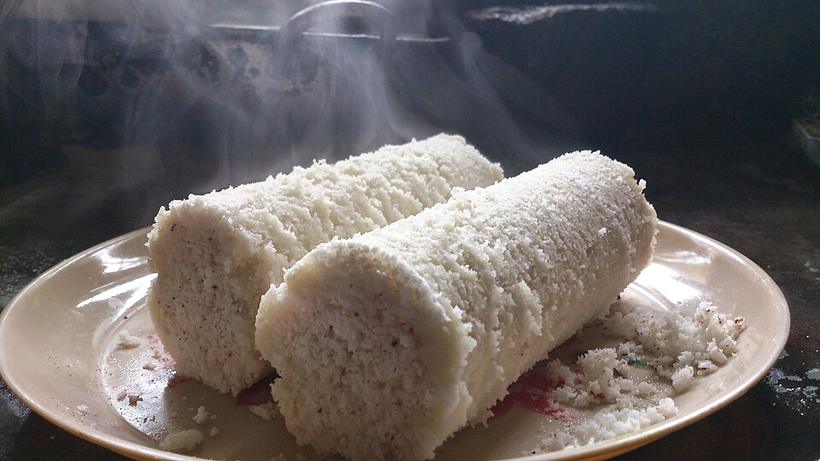
Steamed rice cylinders with black-chickpea curry
Episode 3 of 6
Really about: Caste, and the South that says no

Off the sleeper train; fishermen hauling boats, morning walkers

Fort walls, the old church, the state assembly

The painted tower and the temple tank in Mylapore
A banana-leaf meal: who cooks, who serves, who cleans
Periyar's museum and his black-shirted followers
Giant cut-outs of film stars on the streets
Sanitation workers on the morning shift
Studio

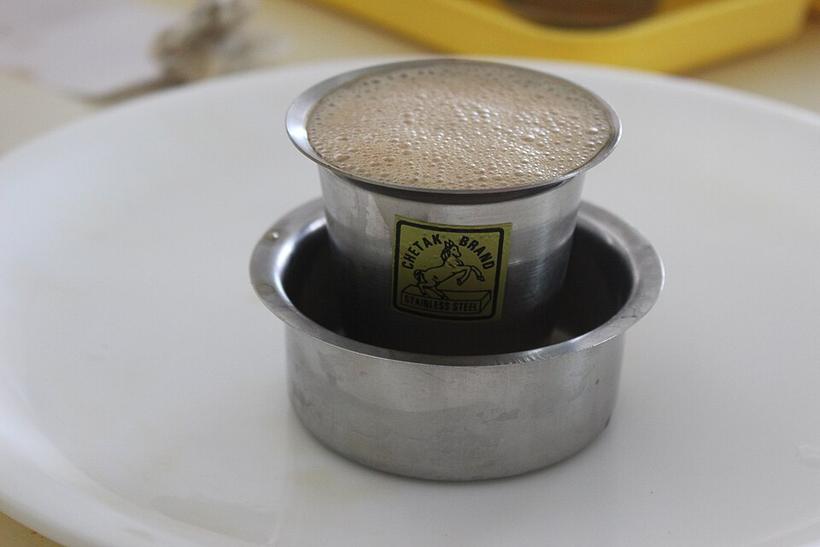
Coffee poured from a height between steel cups

India's first May Day, 1923
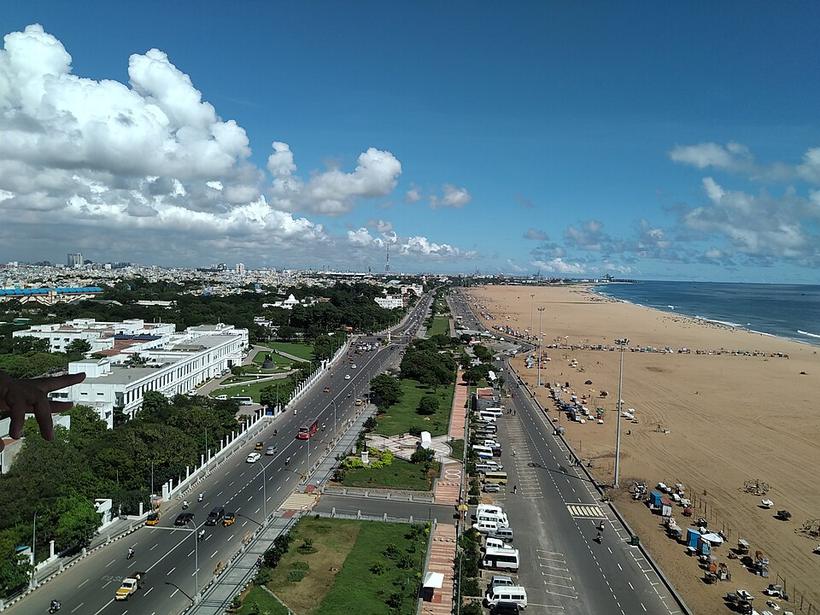
About 13 km of sand along the Bay of Bengal, one of the longest city beaches in the world. Singaravelar held India's first May Day rally here.

A tower of painted gods
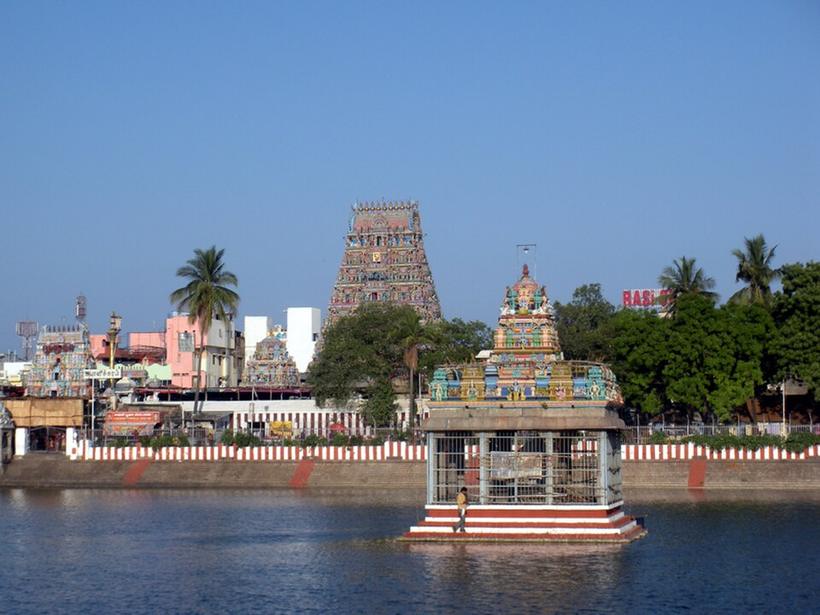
A Shiva temple in Mylapore with a 37-metre tower covered in painted figures. The temple tank and the streets around it are old Chennai at its liveliest.

The Company's first fortress, 1644
Built by the East India Company from 1640. The fort museum keeps Company-era weapons, coins and portraits; the state government still works inside.

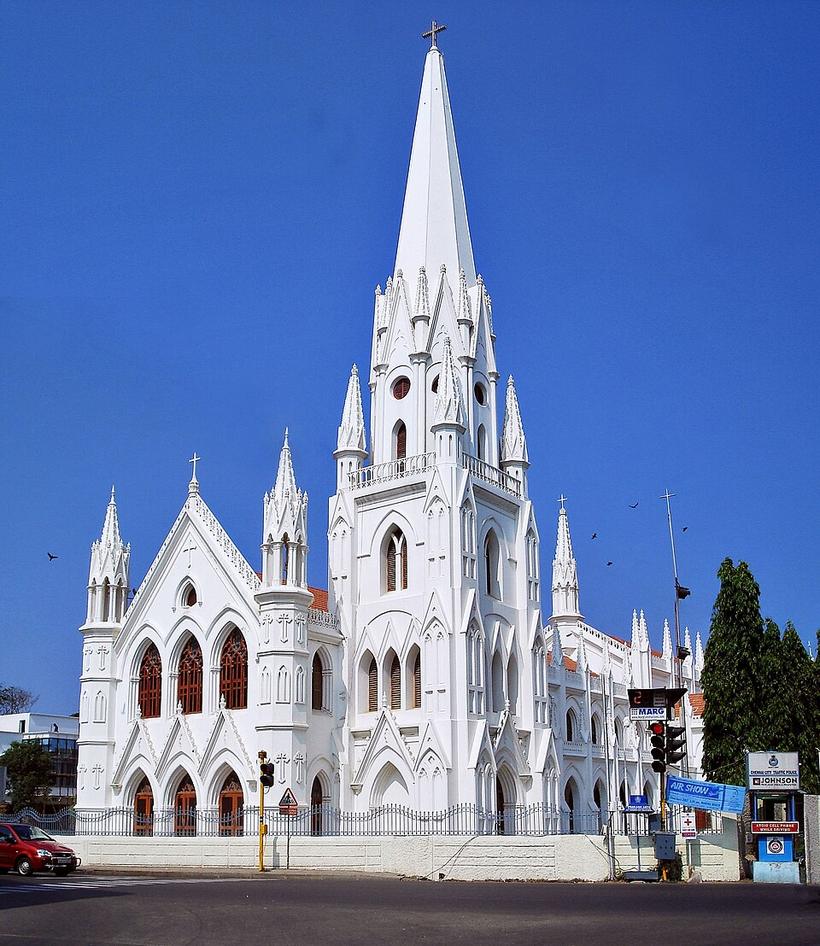
Over the tomb said to be the apostle Thomas's
First built by the Portuguese in the 16th century, rebuilt by the British in 1893.
Home of Periyar's movement
The headquarters of Periyar's Dravidar Kazhagam, with a museum on his life and the Self-Respect Movement.

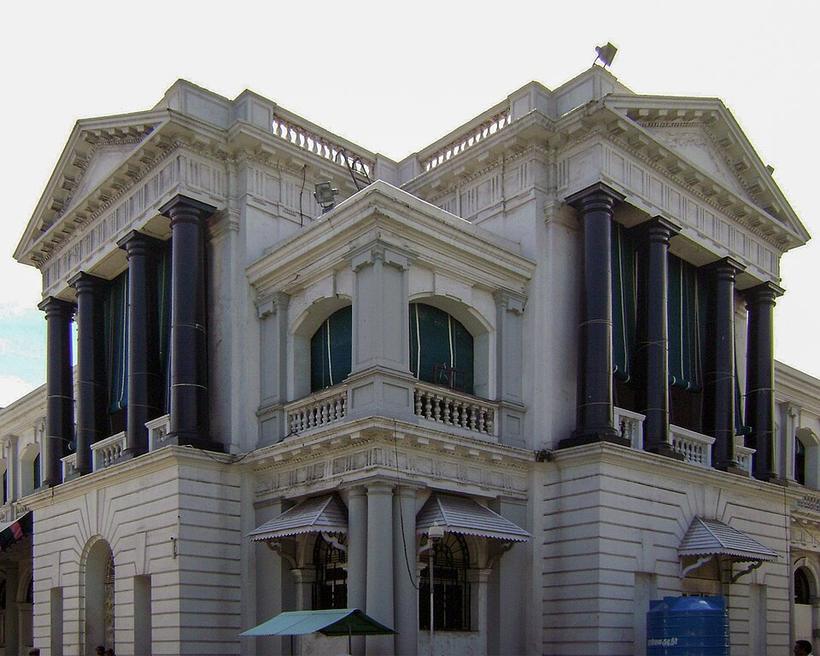
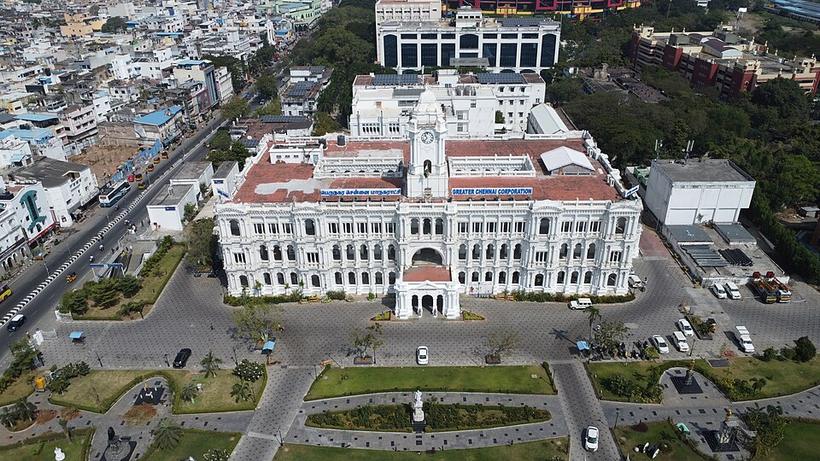
The colonial city hall
A white neoclassical building from 1913, named after a British viceroy and still the seat of the city corporation.
Stars who become politicians
Huge painted and printed cut-outs of film stars: part fan worship, part election campaign.

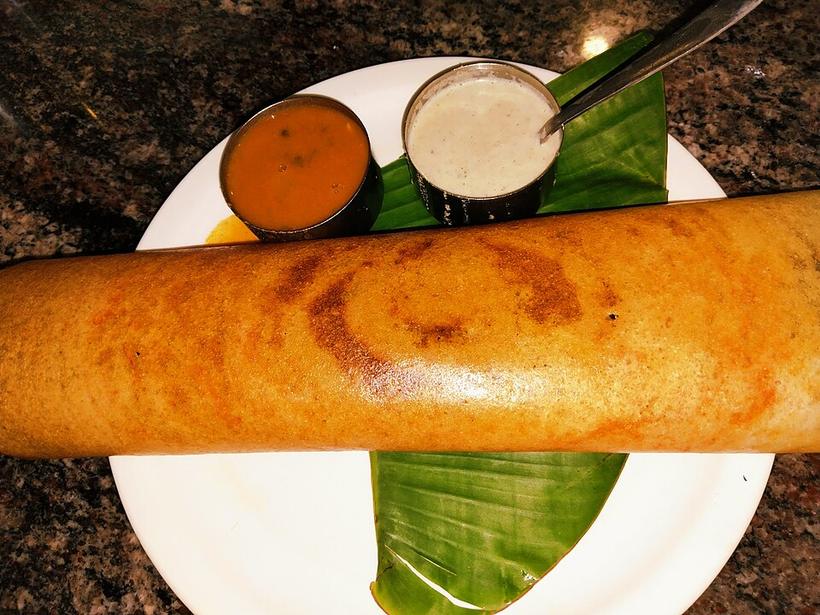
Crisp rice crêpe with spiced potato

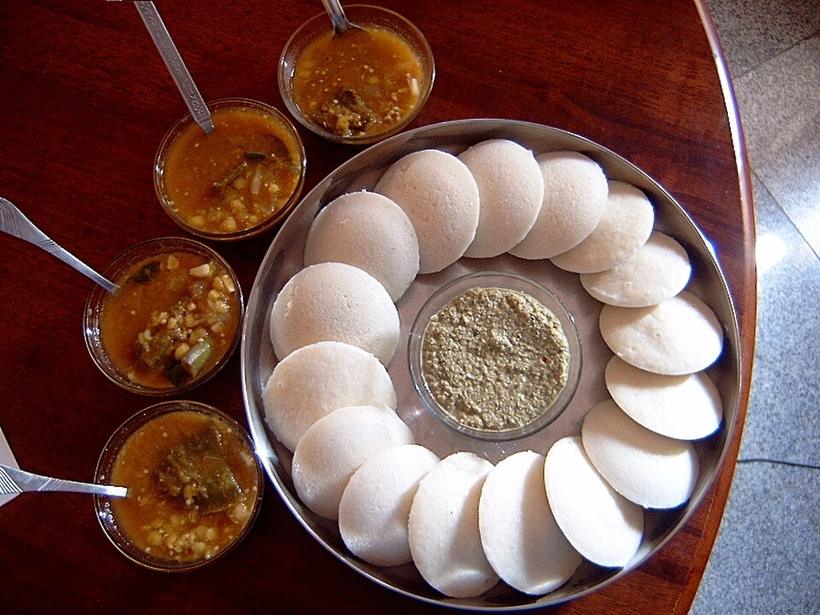
Steamed rice cakes, the Chennai breakfast

Poured from a height between steel cups

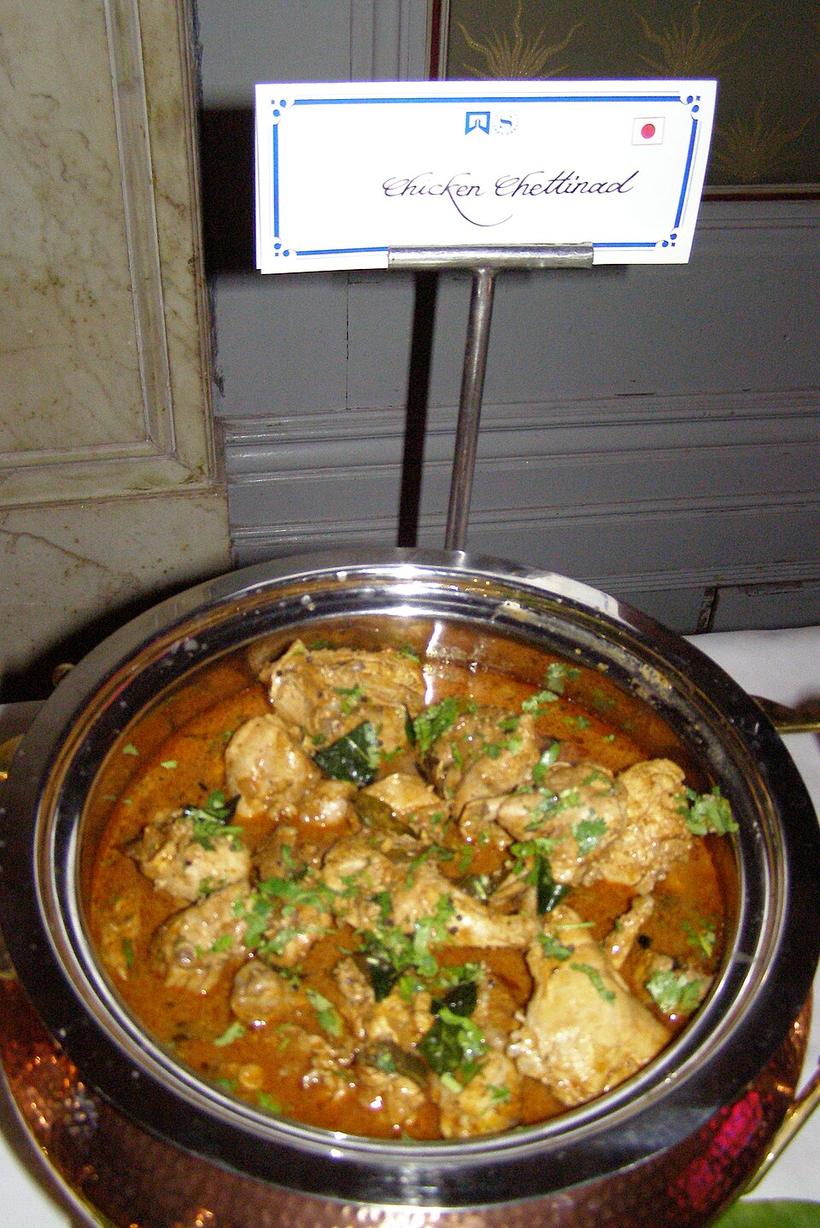
Fiery, pepper-heavy cooking of the Chettiar merchants

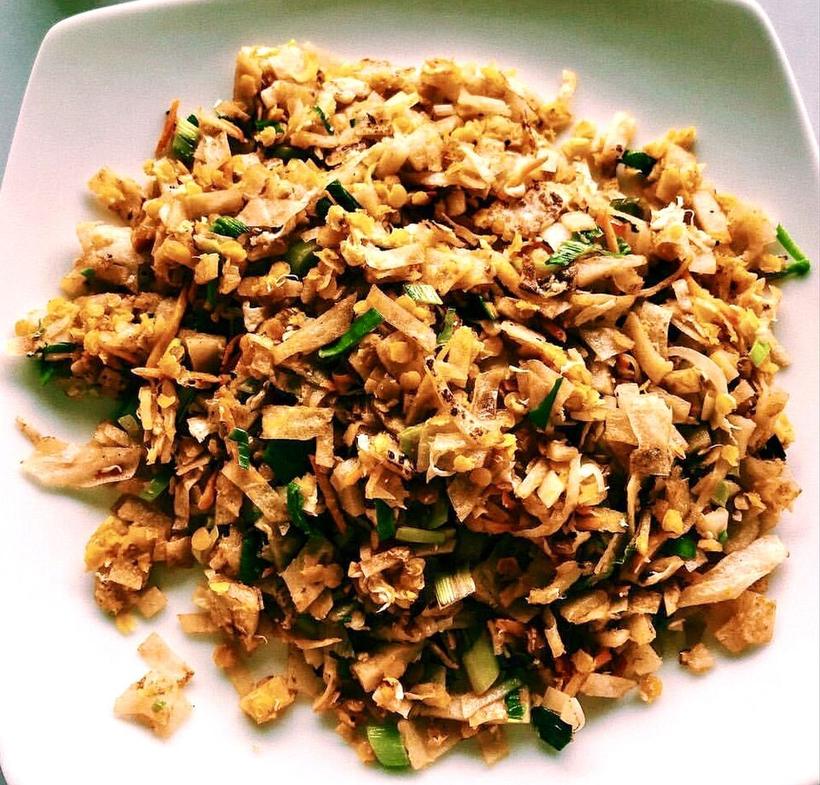
Chopped parotta on a hot griddle; the clatter is the show
Episode 4 of 6
Really about: Bengal: the Company, the communists, the BJP

Porters with flower baskets under the bridge

The red facade of the Writers' Building

The marble memorial, cut with archive photos of 1943

Moss-covered obelisks and tombs
The old docks on the Hooghly

College Street's bookstalls and the Coffee House
New BJP voters, and old Left families

Sculptors shaping gods from Hooghly mud
Studio

Street food at night

A marble museum of the empire
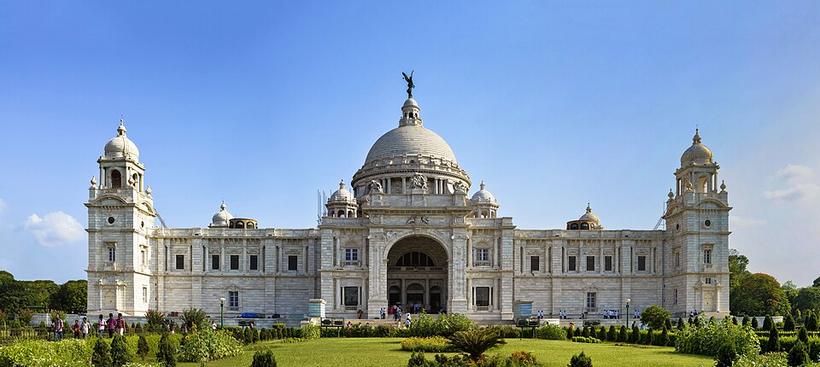
A white marble hall built from 1906 to 1921 in memory of Queen Victoria, now a museum of the British period. Its gardens are the city's lungs.

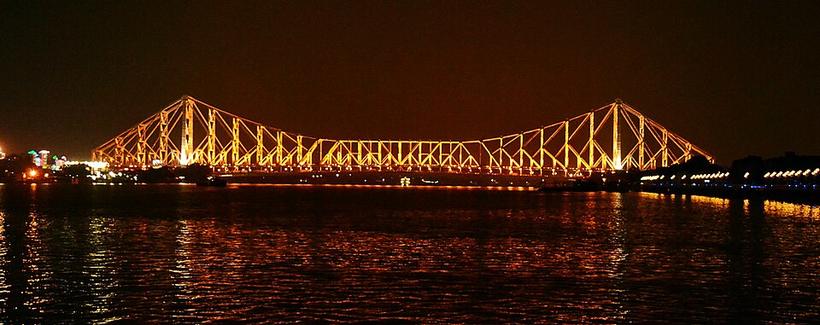
Steel giant over the Hooghly
A cantilever bridge opened in 1943, crossed by huge crowds of people and traffic every day. The flower market sits at its foot.
Mountains of marigolds
One of Asia's largest flower markets, piled with marigold garlands at the foot of Howrah Bridge.

From the Company's clerks to the Left Front
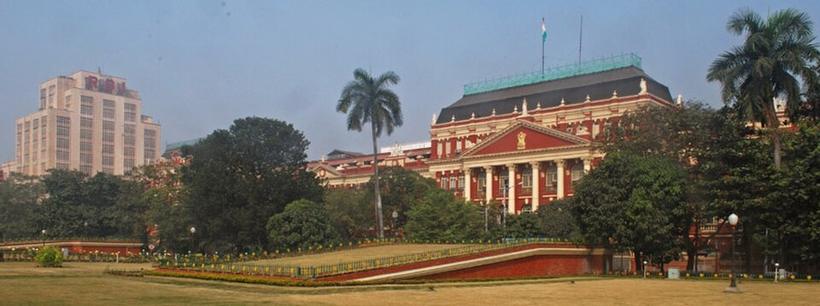
Built in 1777 for the East India Company's junior clerks. From 1977 to 2011 it was the seat of the Left Front government.

Books, and the Left's café
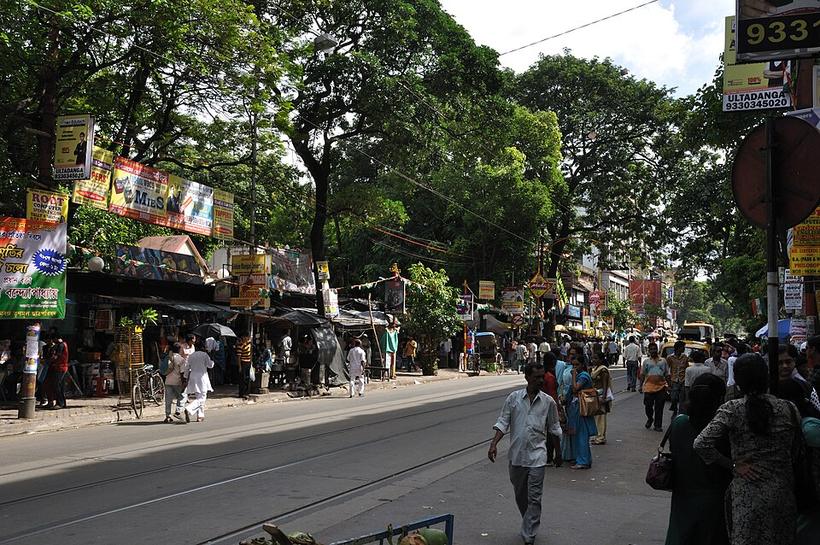
Bookstalls along the street by Calcutta University. The Indian Coffee House upstairs has hosted the city's poets and politicos for generations.

Where gods are made from river clay
The potters' quarter on the Hooghly. In May it's quieter than before the autumn festivals, which makes filming easier.

The Company's first century
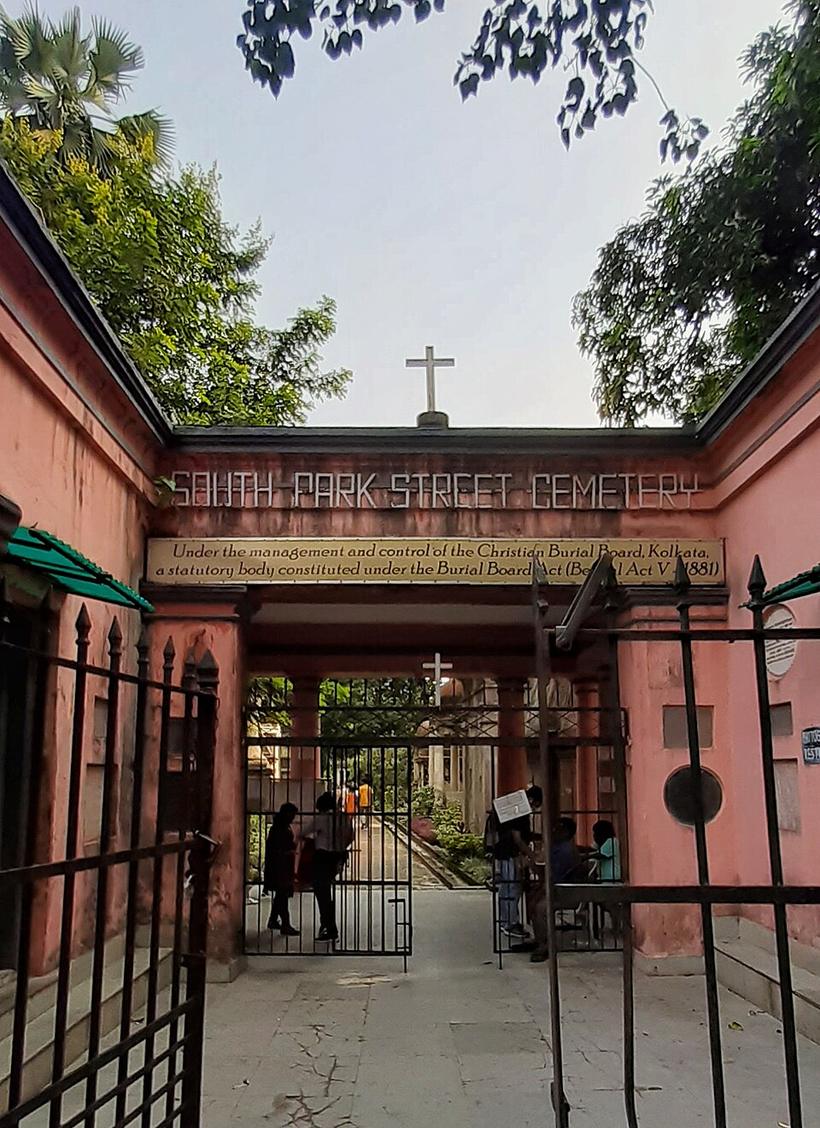
Opened in 1767 and full of Company-era obelisks and tombs.
Where indentured labourers set sail
The docks on the Hooghly where indentured labourers boarded ships after slavery ended. A memorial marks the depot.

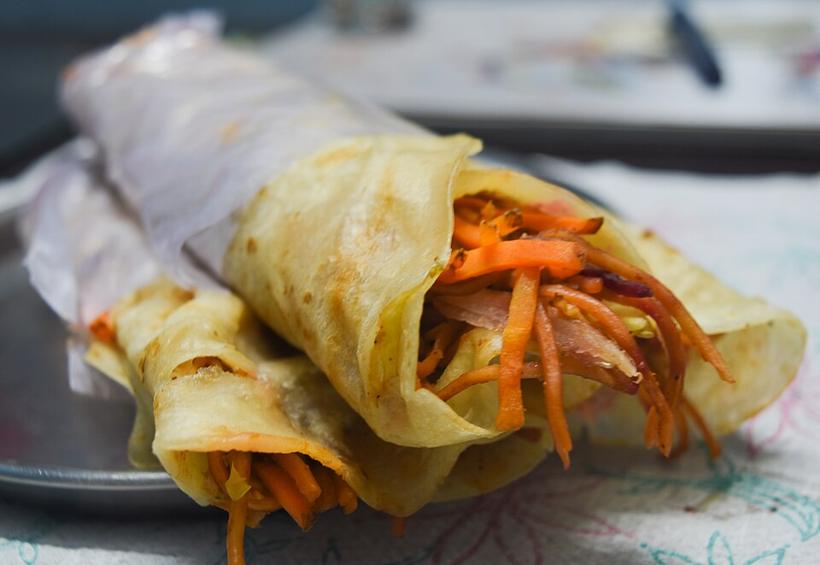
Kebab wrapped in paratha; Kolkata invented it

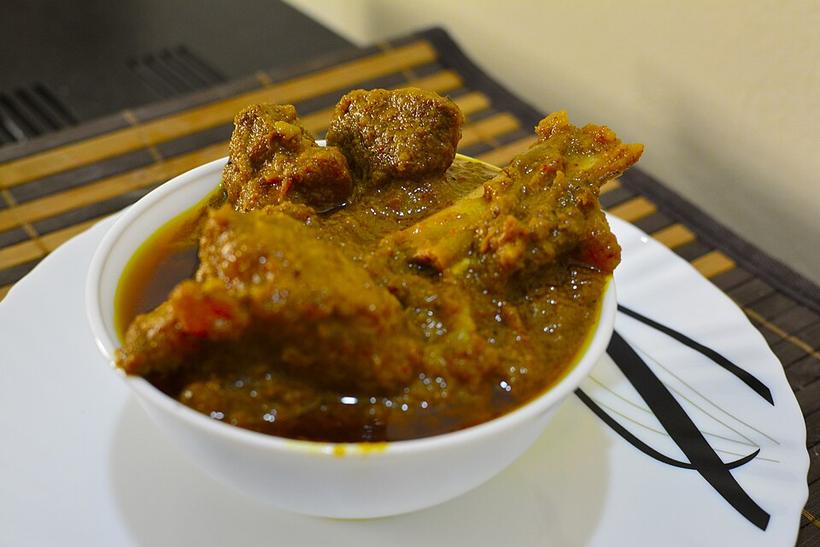
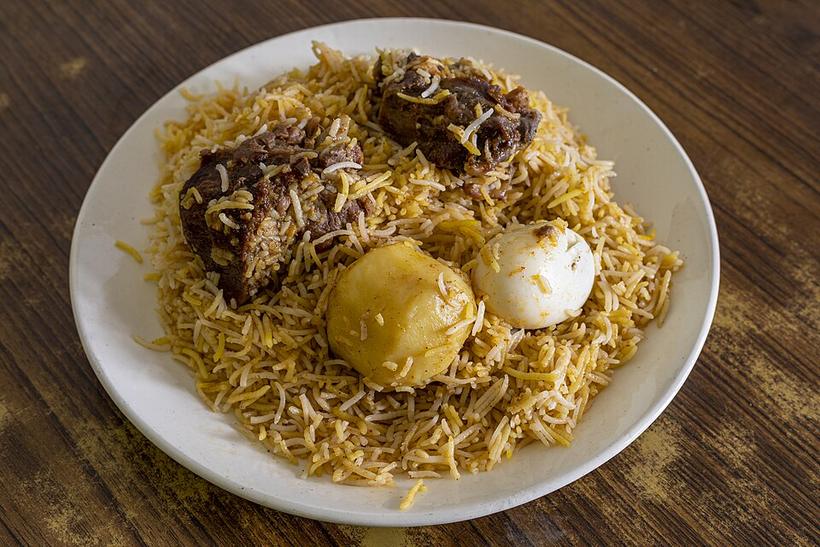
Slow-cooked mutton, dark and rich

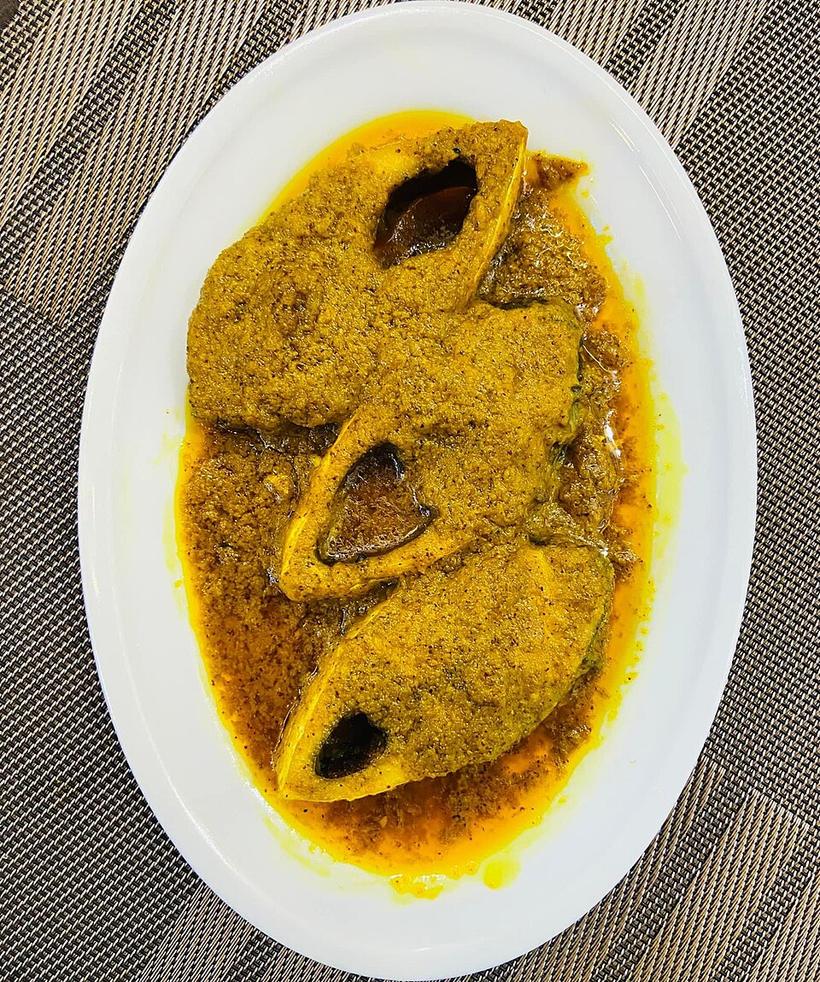
Hilsa fish in mustard sauce

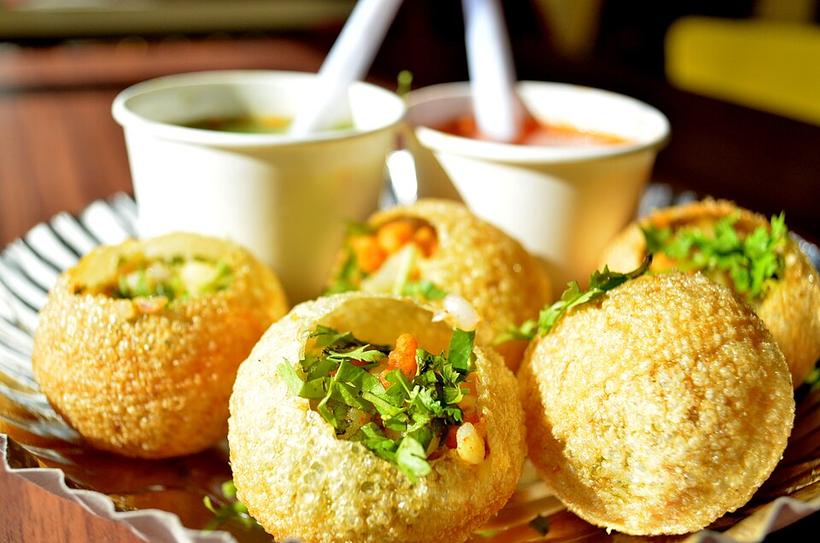
Kolkata's tangier pani puri

With a potato, brought by a Nawab the British exiled here in 1856

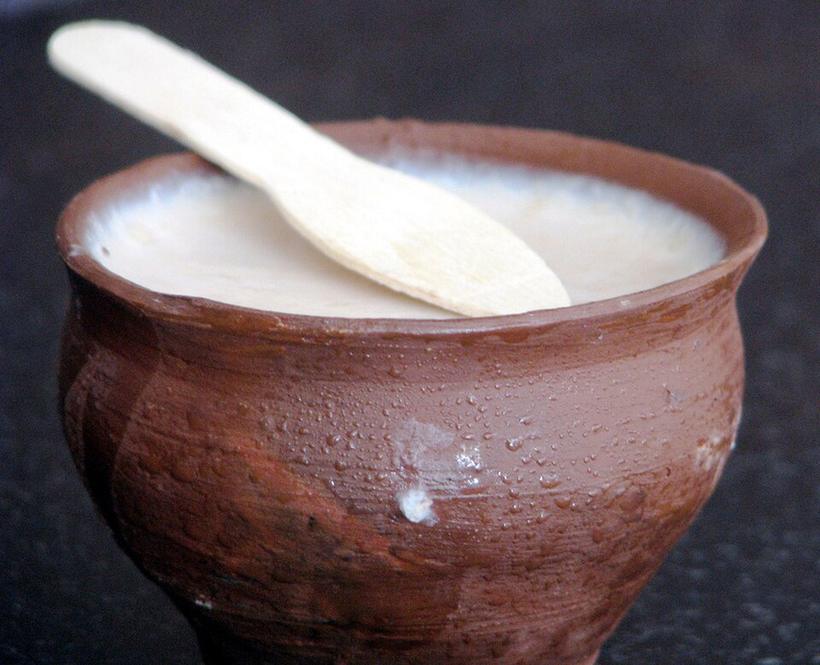
Sweet yogurt set in clay pots

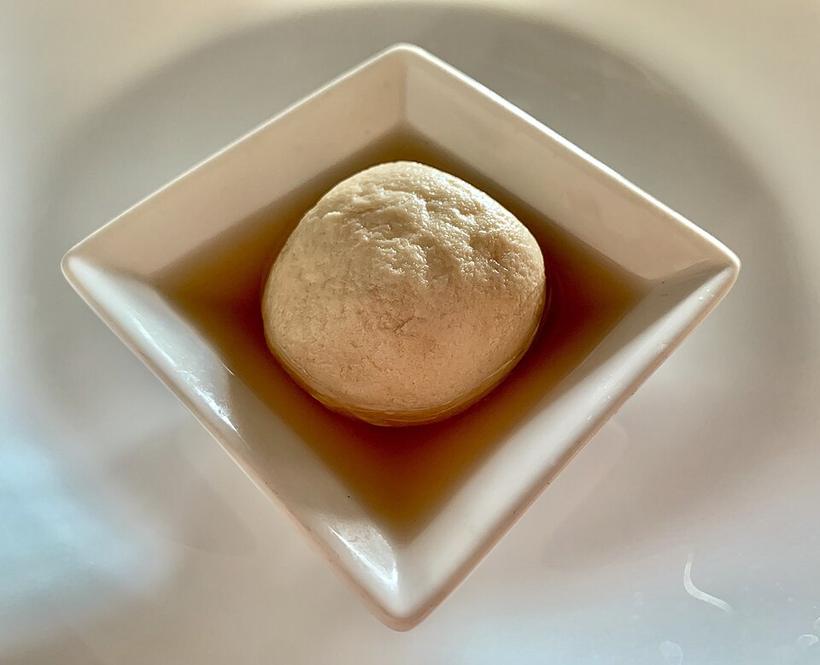
Syrup-soaked cheese balls
Episode 5 of 6
Really about: Partition at 80

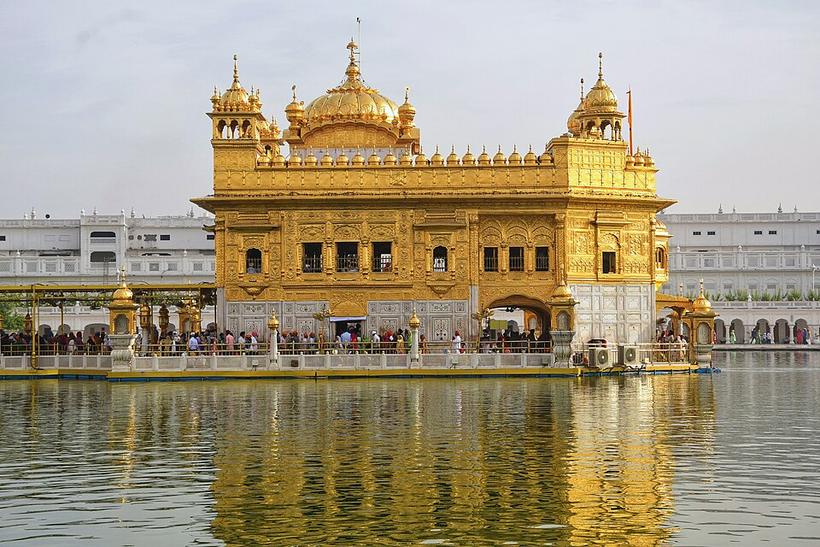
Gold reflected in the pool, pilgrims bathing

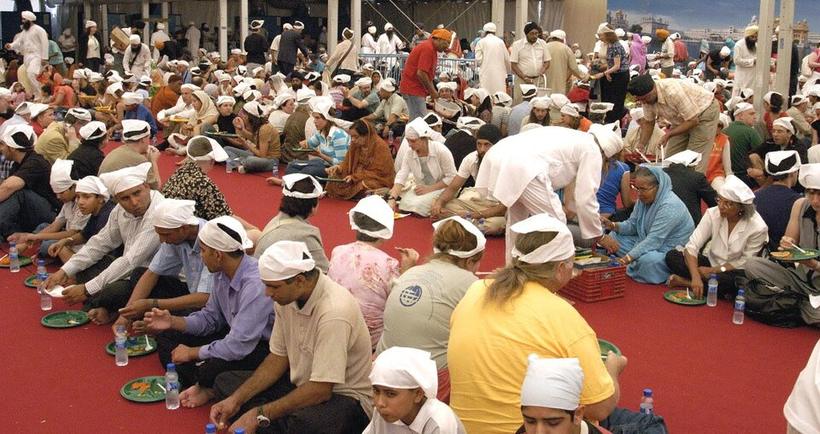
Rows of people on the floor, volunteers serving dal and roti

The narrow entrance, the bullet marks, the well
The Partition Museum: survivors' voices and what they carried
His face painted on Punjab's walls

Soldiers high-kicking, crowds chanting, gates shut
Harvested wheat fields and a farmers' union office
Studio

Breakfast, then the train to Delhi

Sikhism's holiest shrine
Harmandir Sahib sits in a sacred pool and is open to everyone, day and night. Cover your head and go barefoot.

Free meals for tens of thousands a day
The langar is cooked and served by volunteers. Anyone can sit down to eat, and anyone can help.

13 April 1919
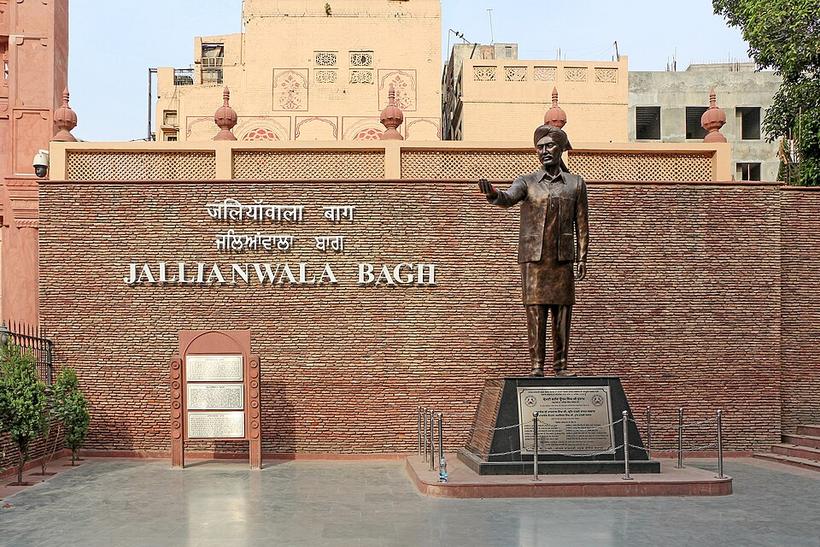
The walled garden where British troops fired on a peaceful crowd. The bullet marks and the well are preserved.
The world's first museum of Partition
In the old Town Hall, built around survivors' oral histories and the objects they carried across the border.

The border at sunset
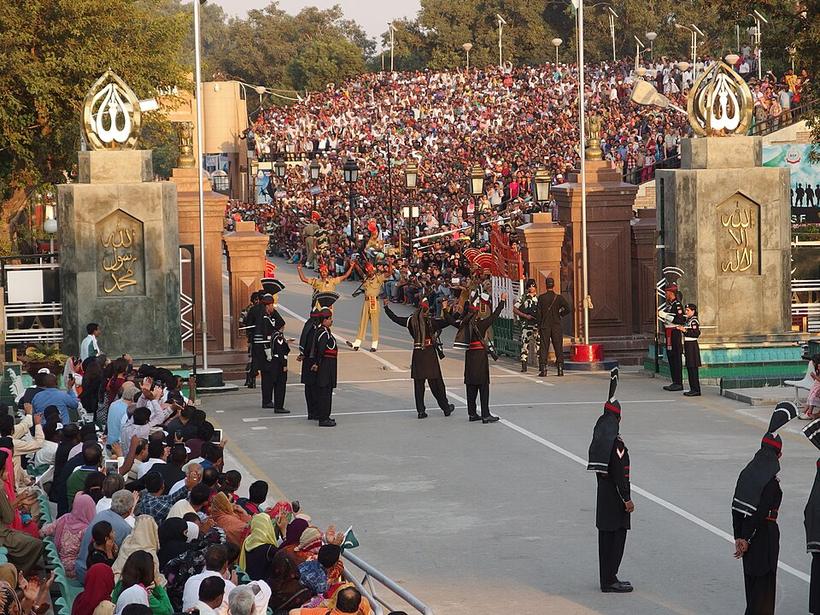
The daily flag-lowering ceremony at the India–Pakistan border: marching, high kicks and chanting crowds. Scaled down since May 2025, gates shut, no handshake.

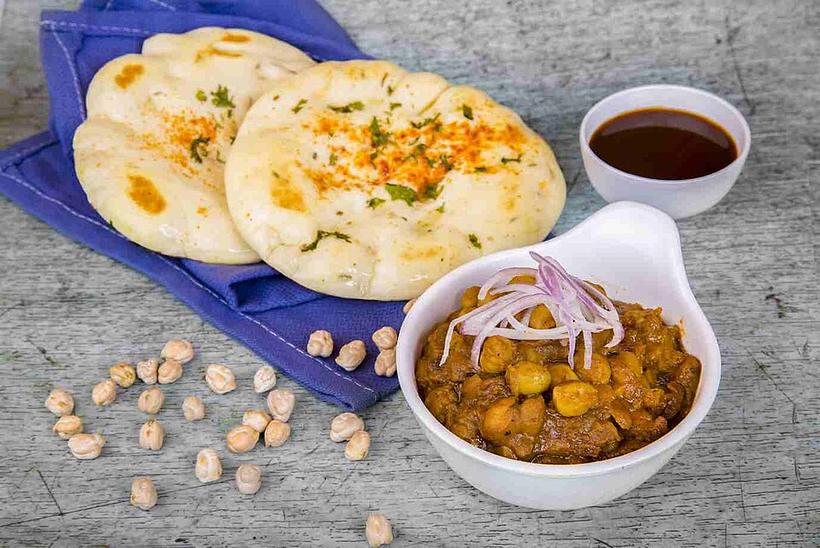
Stuffed bread from the tandoor, with chole

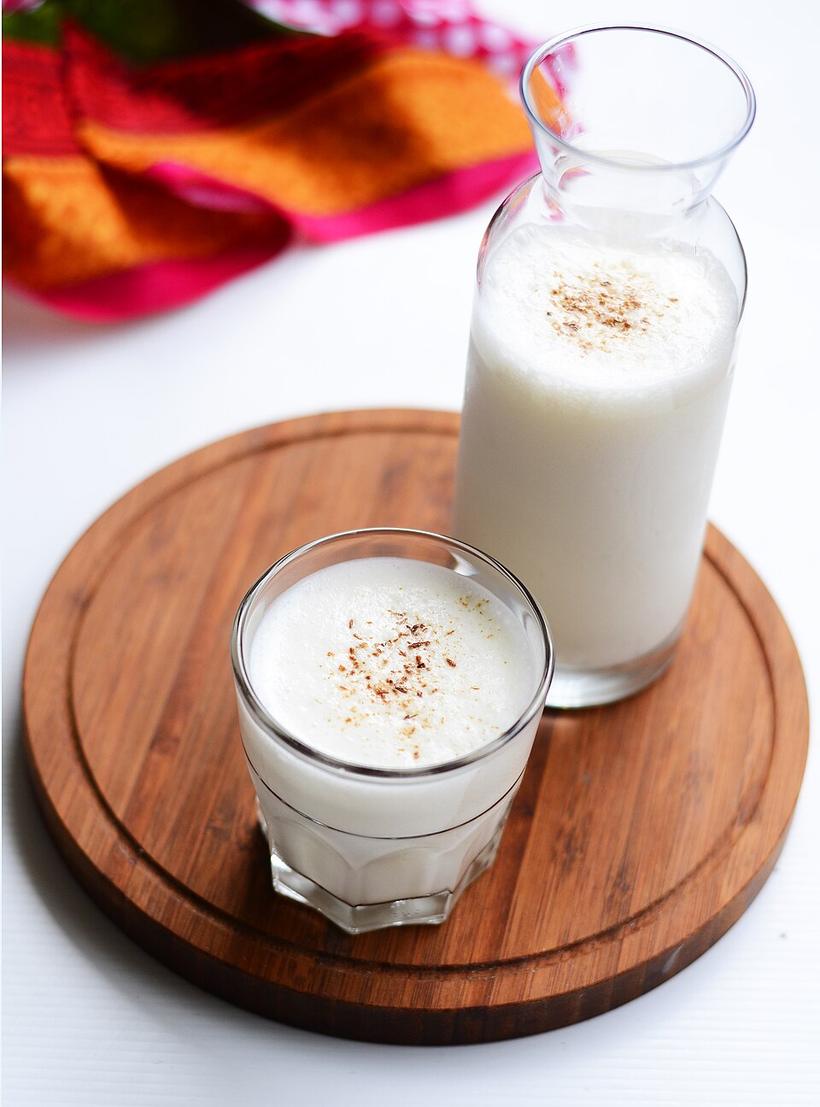
Thick yogurt drink in steel tumblers

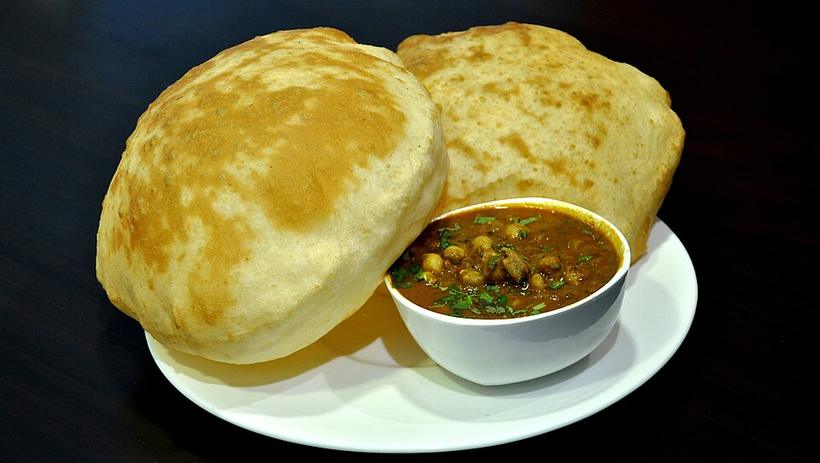
Fried bread and chickpeas, the big breakfast
Spiced, batter-fried river fish

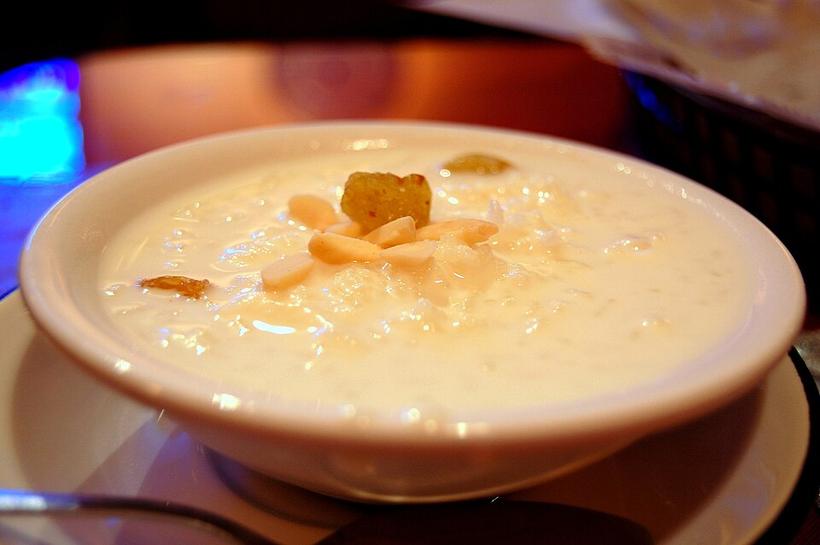
Rice pudding, served free in the langar
Episode 6 of 6
Really about: Shared India: Mughals, Sufis, Urdu

Tens of thousands praying in the courtyard

The minaret and the iron pillar

Rose petals, qawwali singers, Hindus and Muslims in one courtyard

Rickshaws, the spice market, nihari for breakfast

The fort walls, the hall where the last emperor was tried

The old fort walls, then the garden path at Gandhi Smriti
Street scenes, renamed signs, saffron flags

The new parliament and the rebuilt ceremonial avenue

Sunrise from the gardens, then the view from Agra Fort
Studio
A rooftop over Old Delhi at dusk

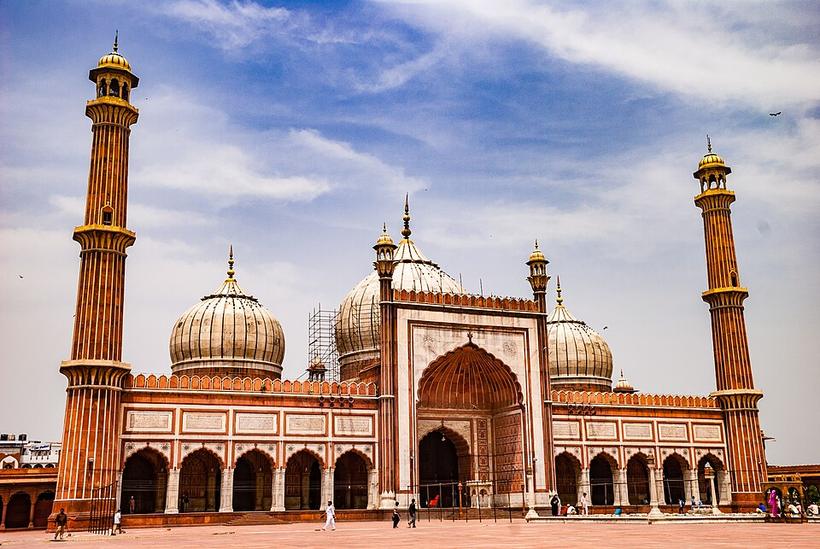
India's great Mughal mosque
Shah Jahan's mosque, finished in 1656, with a courtyard for 25,000 people. Climb the south minaret for the view over Old Delhi.

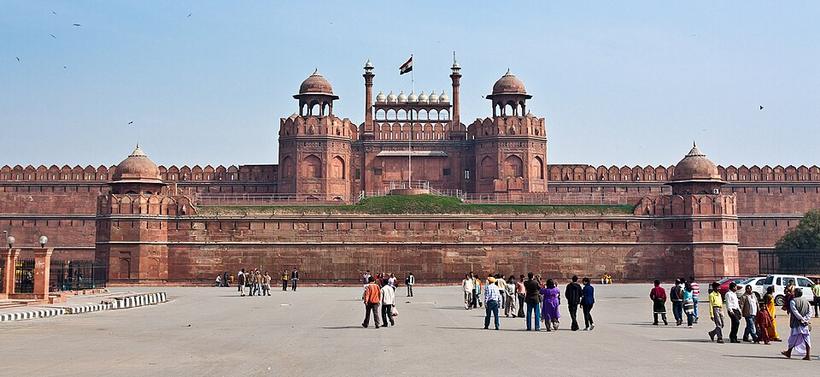
Where 1857's rebels crowned the last emperor
The Mughal palace-fortress, finished in 1648. The 1857 rebels made it their headquarters, and the British tried the last emperor here.

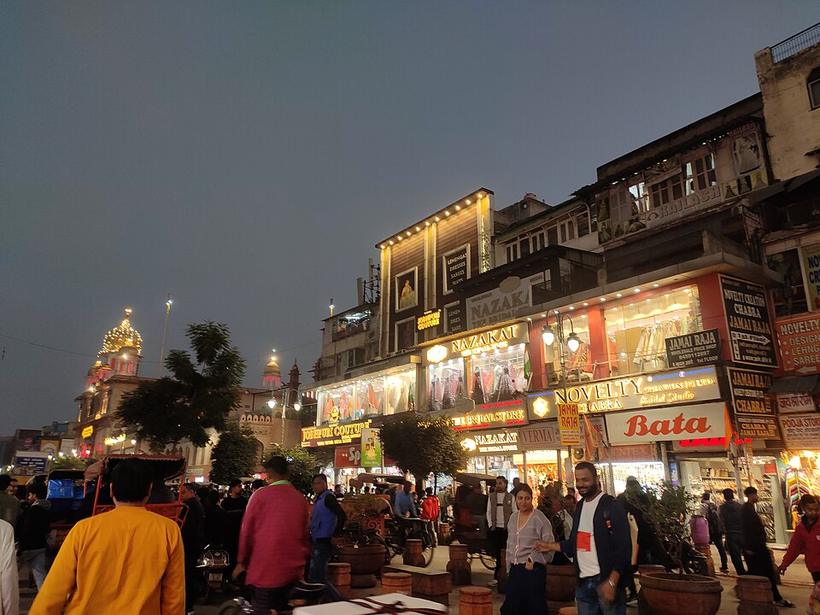
Old Delhi's main street
Laid out in the 1650s, with temples, a gurdwara, a mosque and endless sweet shops along one street.

Asia's biggest spice market
Wholesale lanes that smell of chilli from a block away. Climb to the roof of Gadodia Market for the view.

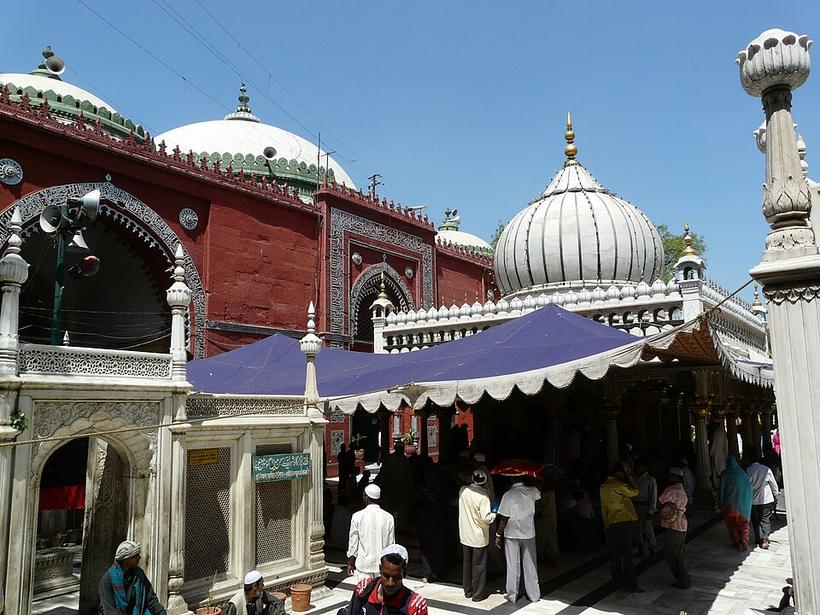
Sufi shrine with qawwali
Shrine of the saint Nizamuddin Auliya, with the poet Amir Khusrau buried nearby. Qawwali after sunset, biggest on Thursdays.

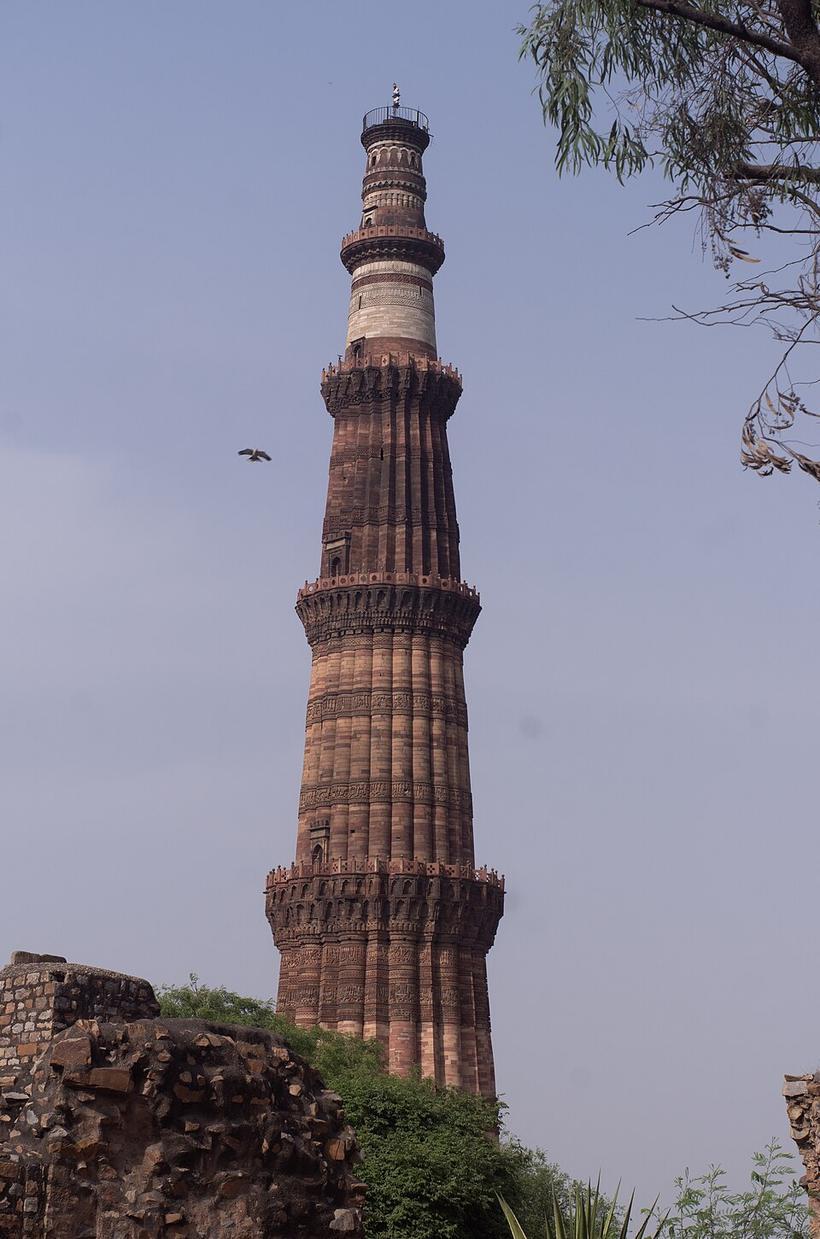
Built by Delhi's first Mamluk sultan
A 73-metre victory tower begun around 1199 by Qutb ud-Din Aibak, a freed slave soldier who became Delhi's first sultan.

The model for the Taj
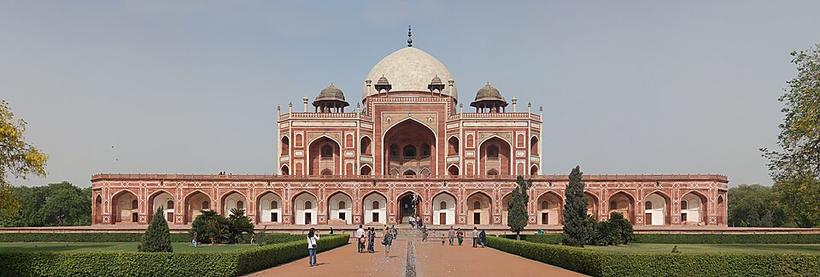
The 1570 garden tomb of the second Mughal emperor, which set the pattern the Taj Mahal followed.

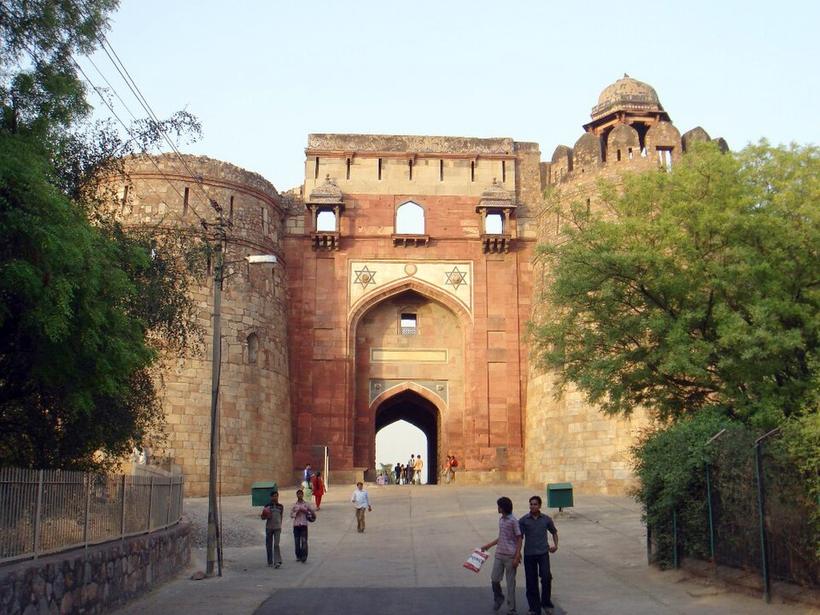
A refugee camp in 1947
A 16th-century fort that in 1947 became a camp for Muslims waiting to leave for Pakistan.

Where Gandhi was shot
The house where Gandhi spent his last 144 days, and the garden where he was shot on 30 January 1948. Footprints mark his last steps.

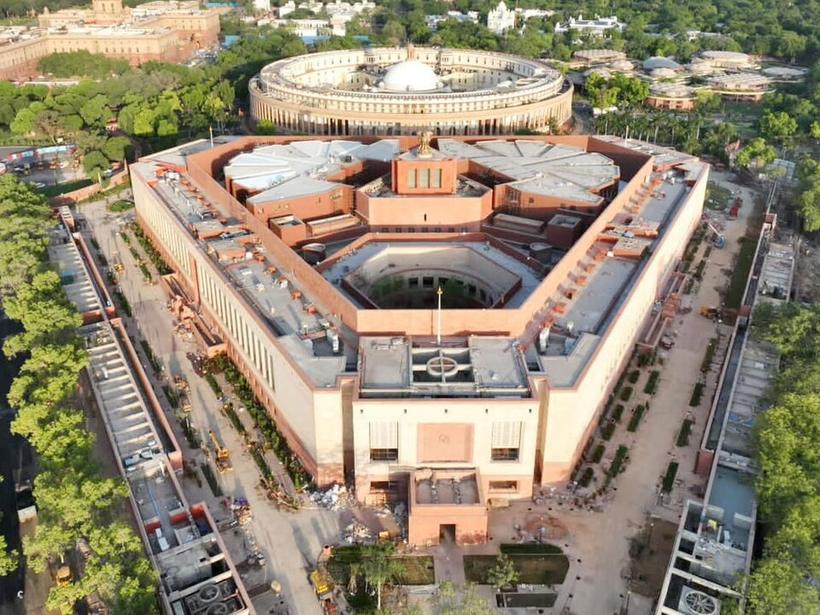
Modi's new Delhi
Opened in May 2023 as part of Modi's rebuilding of central Delhi.

Day trip on 18 May
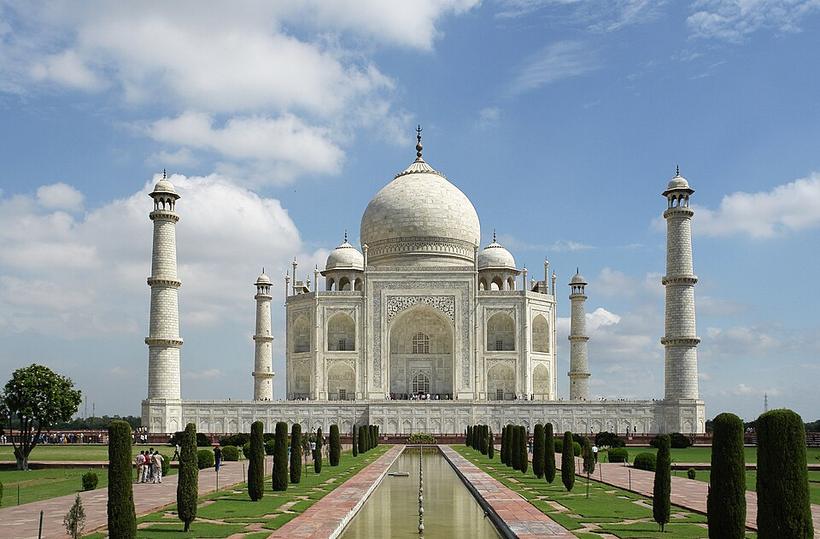
Shah Jahan's white marble tomb for his wife Mumtaz Mahal, finished around 1653.

Shah Jahan's prison with a view
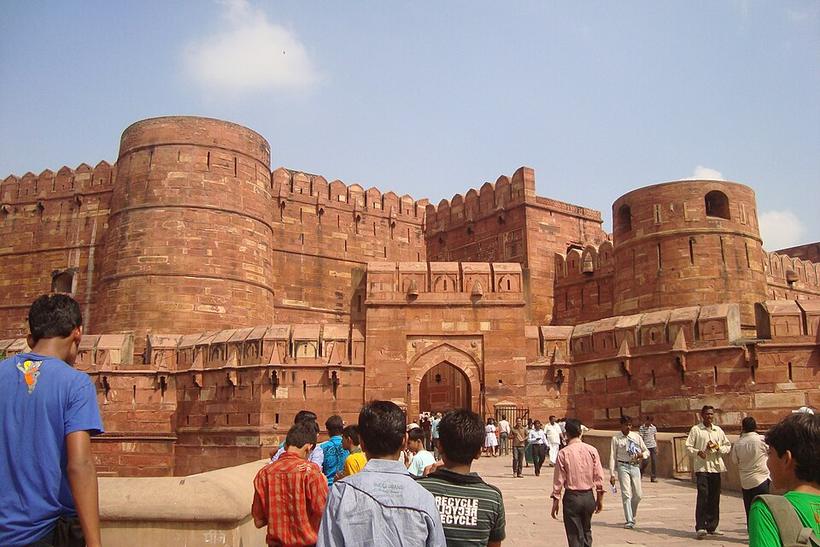
The red sandstone fort where Shah Jahan, deposed by his son, spent his last years looking at the Taj.

Slow-cooked meat stew, the Old Delhi breakfast

Near Jama Masjid since 1913

A lane of stuffed, fried flatbreads

Invented in Delhi by Partition refugees from Peshawar

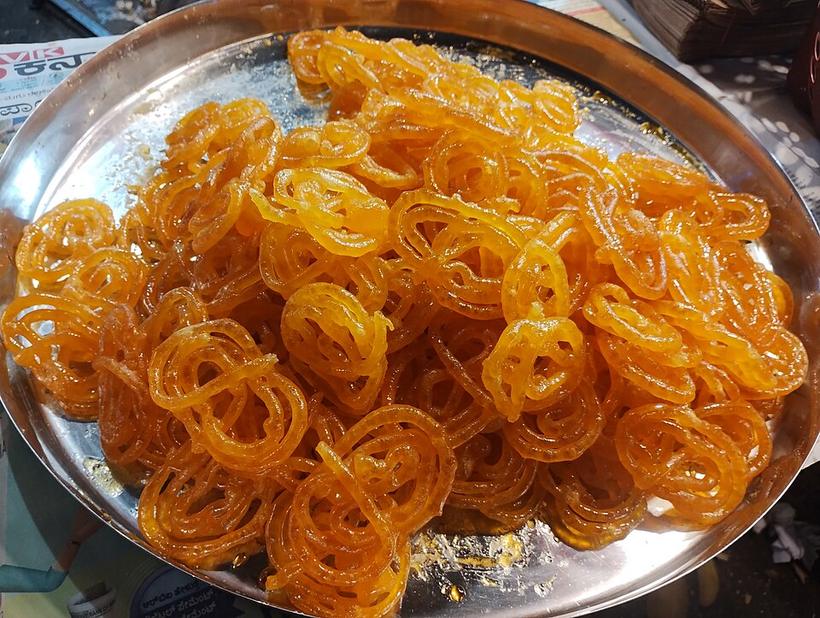
Syrup spirals, fried fresh

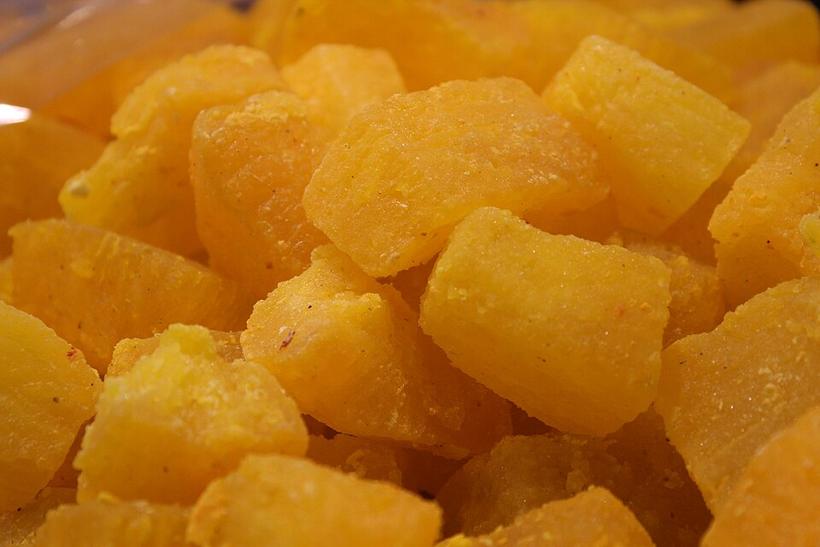
Agra's translucent pumpkin sweet