على شمالك · To Your Left · trip plan, draft 1

India 2027

Who won India's freedom from Britain, and who is winning India now?

Six cities in twenty days. Each one is a travel episode on the surface, with the story underneath.

30 Apr – 19 May 2027 6 cities + Agra day trip 6 episodes In by Mumbai, out by Delhi Out mid-August 2027, 80 years since 1947

The route

Route map: Mumbai, Kerala, Chennai, Kolkata, Amritsar, Delhi, with a day trip to AgraArabian SeaBay of BengalAgra · day trip1Mumbai30 Apr – 4 May2Kochi, Kerala4 – 7 May3Chennai8 – 10 May4Kolkata10 – 13 May5Amritsar13 – 15 May6Delhi15 – 19 May
FlightTrainDay trip
  1. Land in Mumbai from Cairo · evening, 30 Apr
  2. 1Mumbai 30 Apr – 4 May · 4 nights · ~33°C
  3. Fly to Kochi · 4 May · about 2 h
  4. 2Kerala 4 – 7 May · 3 nights · ~32°C
  5. Overnight sleeper train to Chennai · 7 May evening · about 12 h, 3-tier AC
  6. 3Chennai 8 – 10 May · 2 nights · ~37°C
  7. Fly to Kolkata · 10 May · about 2.5 h
  8. 4Kolkata 10 – 13 May · 3 nights · ~36°C
  9. Fly to Amritsar · 13 May · about 3 h, may connect in Delhi
  10. 5Amritsar 13 – 15 May · 2 nights · ~40°C
  11. Train to Delhi · 15 May · about 6 h
  12. 6Delhi 15 – 19 May · 4 nights · ~40°C
  13. Fly home to Cairo · Morning of 19 May

Twenty days at a glance

May DayMumbai
1857, 170 yearsKolkata
Eid al-AdhaDelhi
Taj day tripAgra
1 Mumbai2 Kerala
3 Chennai4 Kolkata5 Amritsar6 Delhi
30
1
2
3
4
5
6
7
8
9
10
11
12
13
14
15
16
17
18
Apr
May 2027

How every episode works

VisitThe place people come for, shot like a travel video
StoryThe history that happened right there
NowWhat the same place is fighting over today
Egypt mirrorThe link back home, recorded in the studio

Episode 1 of 6

Visit Mumbai

Really about: Who freed India? Gandhi, and the people he overshadowed

Land from Cairo, evening of 30 April 30 Apr – 4 May 4 nights ~33°C, humid

The episode, scene by scene

VisitStoryNowEgypt mirror
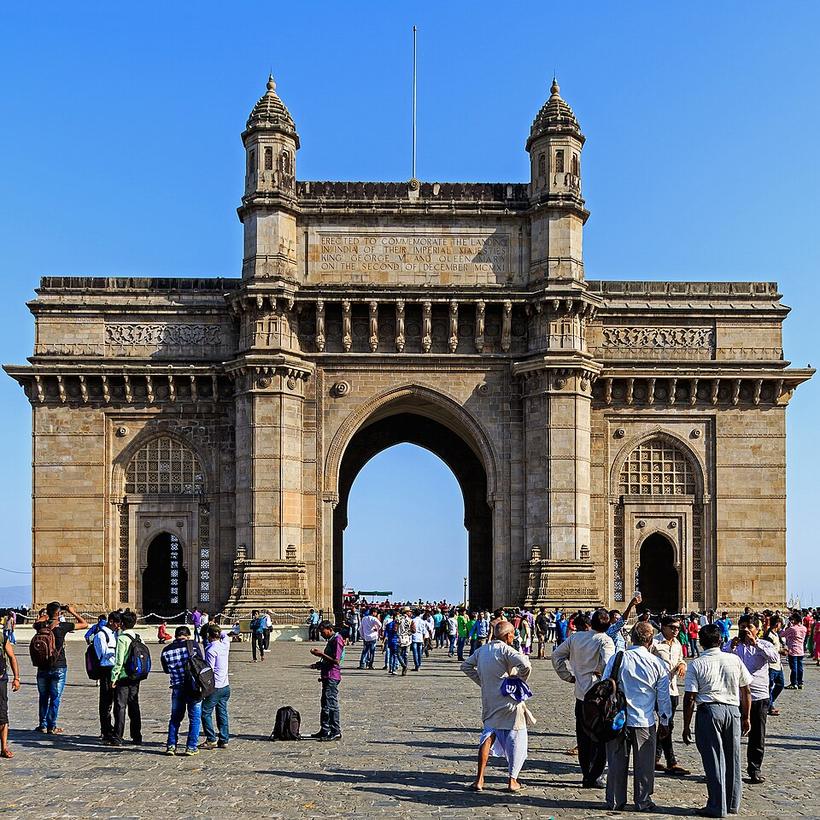
  1. The arch the British left through
    Scene 1Visit

    The arch the British left through

    Dawn at the Gateway, ferries and pigeons; walk to camera

    • Built to welcome a British king, finished in 1924
    • 28 February 1948: the last British troops march out through it
    • The question of the episode: who actually pushed them out?
  2. A city built on cotton
    Scene 2Visit

    A city built on cotton

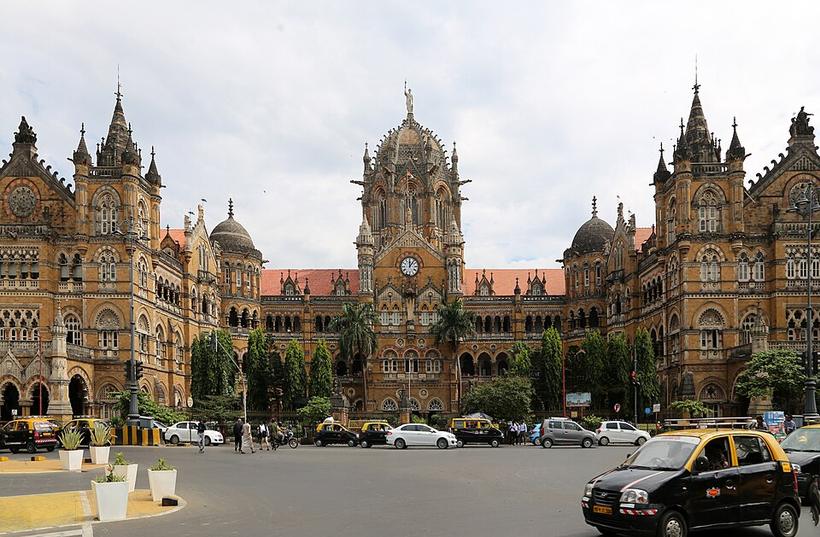
    Rush hour on the local train, then the Gothic station

    • Bombay boomed in the 1860s when the American Civil War cut off US cotton
    • Egypt's cotton boom came from the same war
    • The station opened in 1888 as Victoria Terminus
  3. Quit India, 1942
    Scene 3Story

    Quit India, 1942

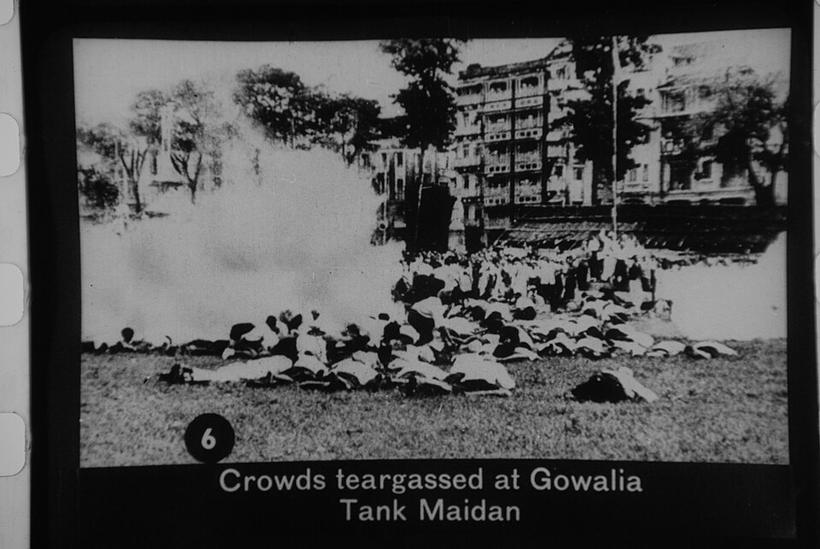
    The park today, cut with the 1942 photo of crowds being tear-gassed

    • 8 August 1942: Gandhi tells the British to quit India
    • By the next morning the whole Congress leadership is in jail
    • The uprising that follows has no leaders: strikes, sabotage, mass arrests
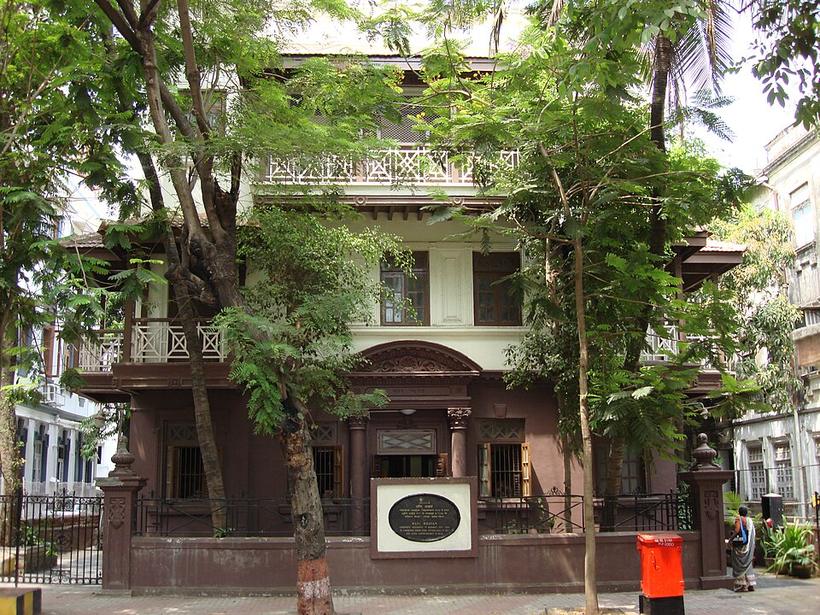
  4. Gandhi's house, Gandhi's record
    Scene 4Story

    Gandhi's house, Gandhi's record

    His room, the spinning wheel, his letters

    • What he did: brought millions of ordinary people into politics
    • What he held back: called off the 1922 campaign after Chauri Chaura
    • His early writing about Black South Africans
    • His 1932 fast against separate Dalit voting; his industrialist backers
  5. Scene 5Story

    The revolt we weren't taught

    The memorial in Colaba, the naval harbour behind it

    • February 1946: Indian sailors take over ships over pay, food and racism
    • They fly the Congress, Muslim League and Communist flags together
    • The city's workers strike with them; over 200 are killed
    • Congress and the League tell them to surrender. Eighteen months later, Britain leaves
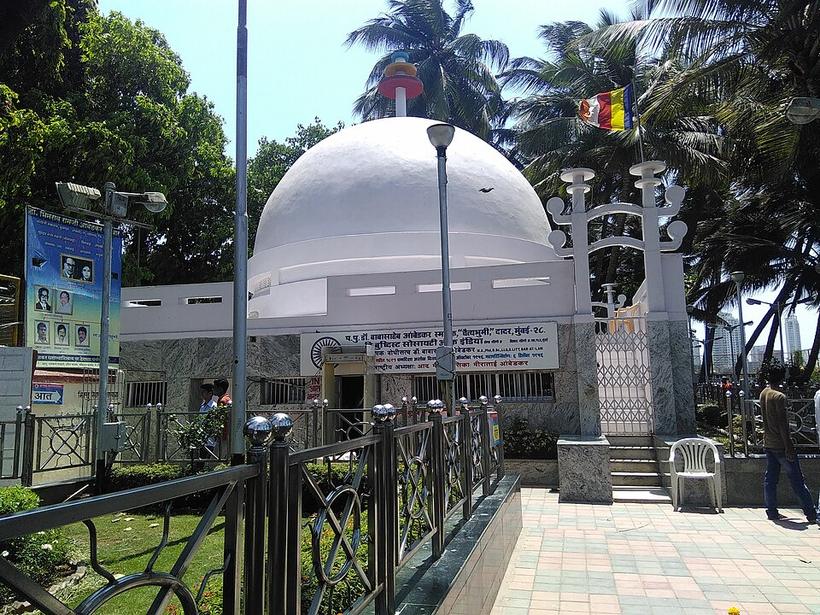
  6. Ambedkar
    Scene 6Story

    Ambedkar

    Blue flags at the stupa where he was cremated

    • Born an 'untouchable'; earned doctorates in New York and London
    • Chaired the committee that wrote India's constitution
    • Became a Buddhist with hundreds of thousands of followers in 1956, weeks before he died
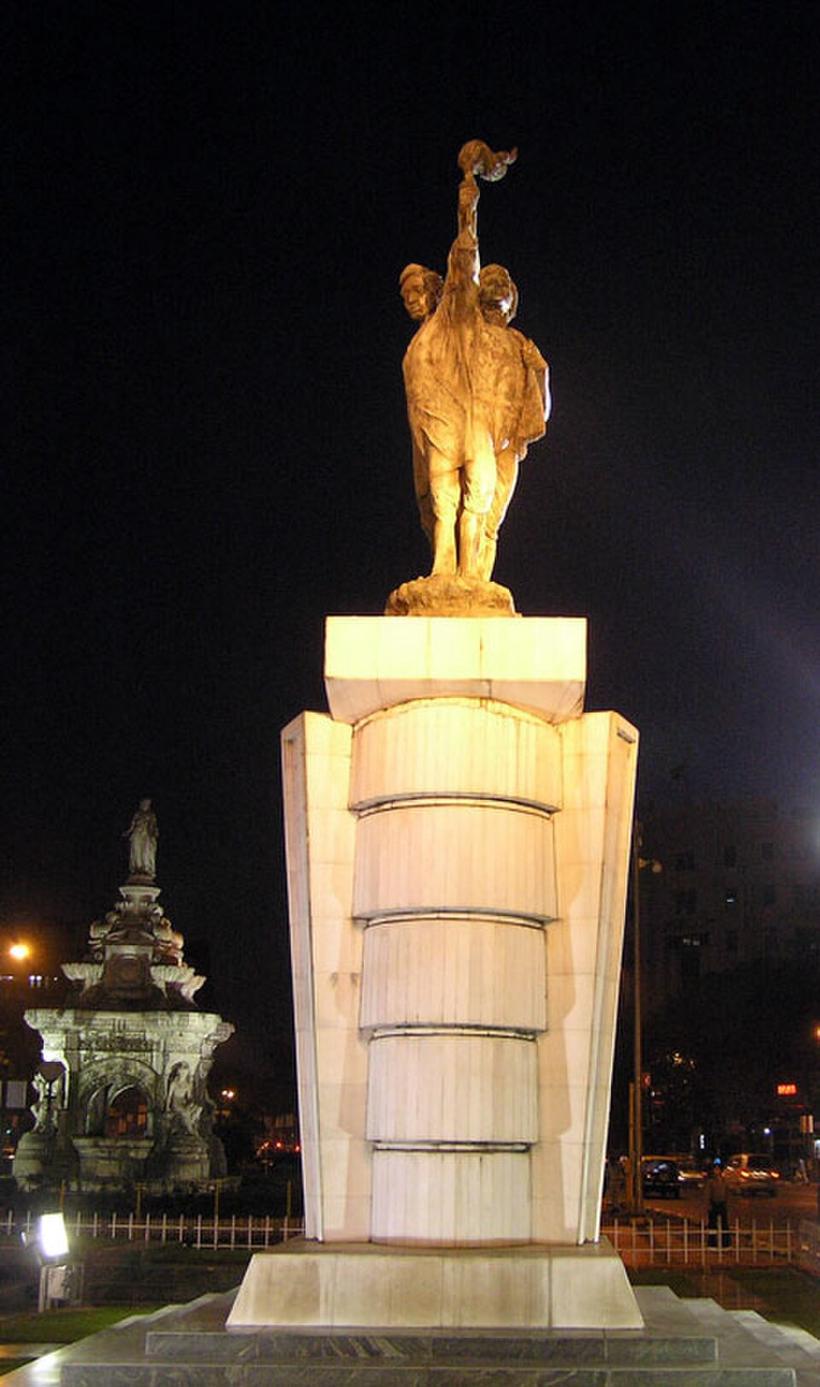
  7. May Day at Martyrs' Square
    Scene 7Now

    May Day at Martyrs' Square

    1 May: flowers at the memorial, union marches

    • 106 killed fighting for a Marathi-speaking state with Bombay as its capital
    • A movement led by communists and socialists
    • Maharashtra was born on 1 May 1960, so May Day here is doubly a workers' day
  8. Who owns Mumbai
    Scene 8Now

    Who owns Mumbai

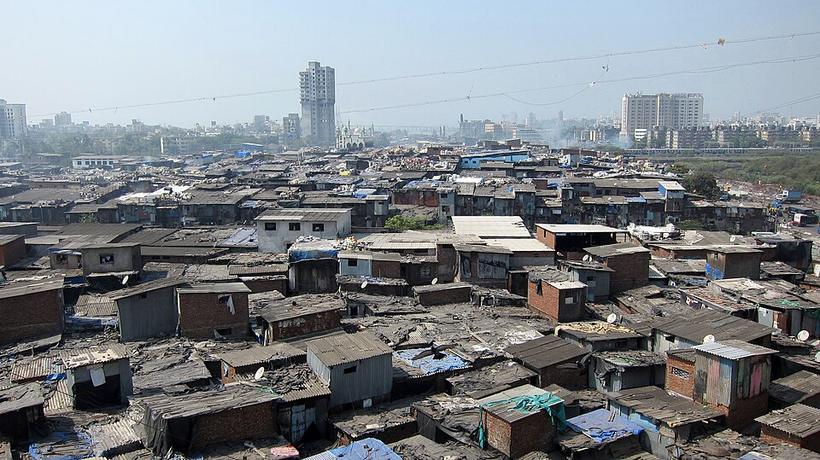
    Potters' kilns in Dharavi, luxury towers on the skyline

    • Hundreds of thousands live and work on about 2 square kilometres
    • Handed to Adani: free flats only if you prove you lived here before 2000
    • The mill lands became malls after the 1982 strike
    • Gig riders racing 10-minute deliveries; the 2026 general strike
  9. Scene 9Egypt mirror

    Egypt mirror

    Studio

    • 1919 in Egypt: the Wafd took the credit; workers and peasants did the striking and the dying
    • Dharavi next to Warraq and Maspero, and the old-rent law (Episode 22)
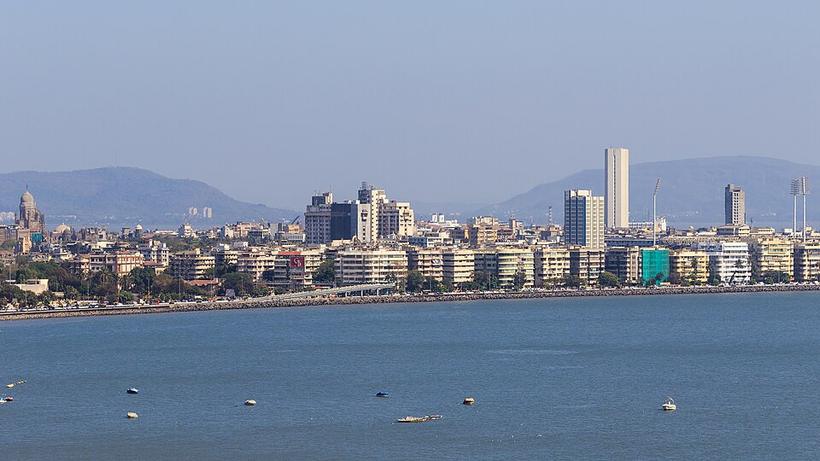
  10. Close: Marine Drive at night
    Scene 10Visit

    Close: Marine Drive at night

    The seafront lights

    • Gandhi got the statues; the sailors got one small memorial
    • Next: Kerala, where communists won power by vote

Where we go

Gateway of India
SightHistoryScene 1

Gateway of India

Built for a British king's visit; the last British troops left through it in 1948

A basalt arch on the harbour, built to mark King George V's 1911 visit and finished in 1924. Ferries to the Elephanta Caves leave from its steps.

Sunrise, before the crowds30 min
August Kranti Maidan
HistoryScene 3

August Kranti Maidan

Where Quit India was launched on 8 August 1942

A small park in Gowalia Tank where the Congress met and launched Quit India. Today it's an ordinary neighbourhood park with a memorial to 1942.

20 minWalk from Mani Bhavan
Mani Bhavan
HistoryScene 4

Mani Bhavan

Gandhi's Mumbai base from 1917 to 1934

The house of a Gandhi supporter on Laburnum Road, where Gandhi stayed on every Bombay visit. His room, letters and a photo gallery are kept as a museum.

Open daily, 9:30 to 61 h
History

Naval Uprising Memorial

Colaba memorial to the 1946 sailors' revolt

A small memorial in Colaba to the sailors who rose against the British in February 1946. We confirm the exact spot and access before we go.

Check access first
Hutatma Chowk
HistoryScene 7

Hutatma Chowk

Martyrs' Square, by the old Flora Fountain

Remembers 106 people killed in 1955–56 in the fight for a Marathi-speaking state. Maharashtra was born on 1 May 1960, so this is where May Day happens.

Be here on 1 May30 min

Chaitya Bhoomi
HistoryScene 6

Chaitya Bhoomi

Where Ambedkar was cremated in 1956

A stupa on the Dadar seafront. Every 6 December, the anniversary of his death, hundreds of thousands of his followers come here.

30 minDadar, by the sea
Dharavi
TodayScene 8

Dharavi

Potters, tanners and recyclers, now handed to Adani

One of Asia's biggest informal settlements, and a working city of potters, leather workers and recyclers. Adani started building the first redevelopment flats in October 2026.

Go with a local guideAsk before filming people
Chhatrapati Shivaji Terminus
SightScene 2

Chhatrapati Shivaji Terminus

Victorian Gothic railway palace

Opened in 1888 as Victoria Terminus and now a UNESCO World Heritage Site. Millions of commuters pass through it every day.

Rush hour for the crowds45 min
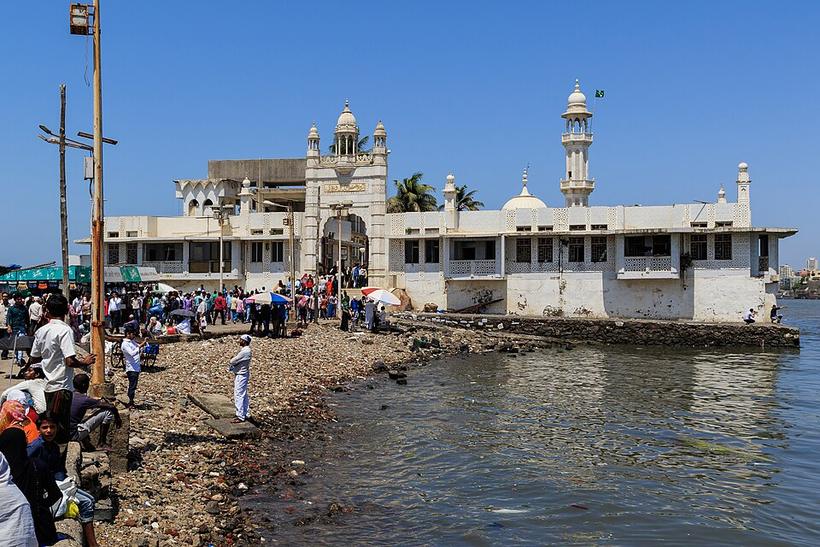
Haji Ali Dargah
Sight

Haji Ali Dargah

A Sufi shrine in the sea

A mosque and tomb built in 1431 on an islet off the coast, reached by a causeway that floods at high tide.

Go at low tide1 h
Marine Drive

Marine Drive

The seafront locals call the Queen's Necklace

A 3.6 km promenade lined with Art Deco buildings. At night the streetlights curve along the bay like a necklace.

After dark1 h

What we eat

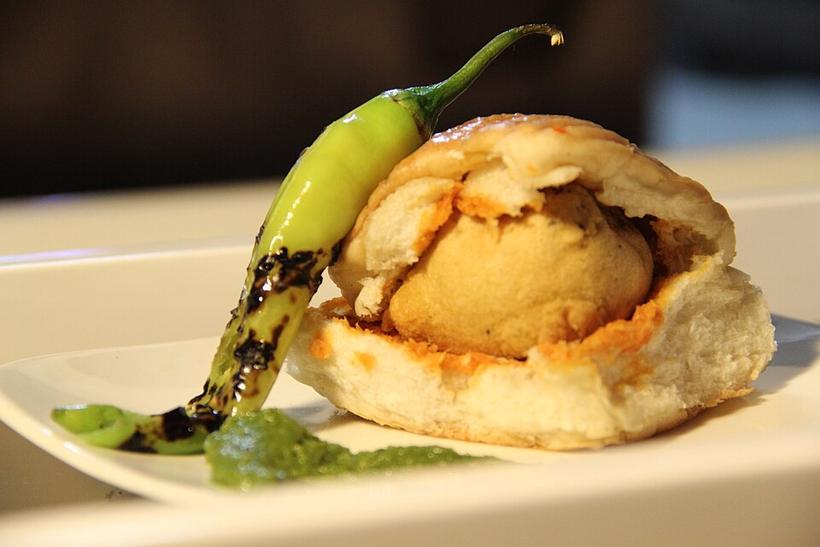
Vada pav

Vada pav

The potato-fritter bun that fed the mill workers

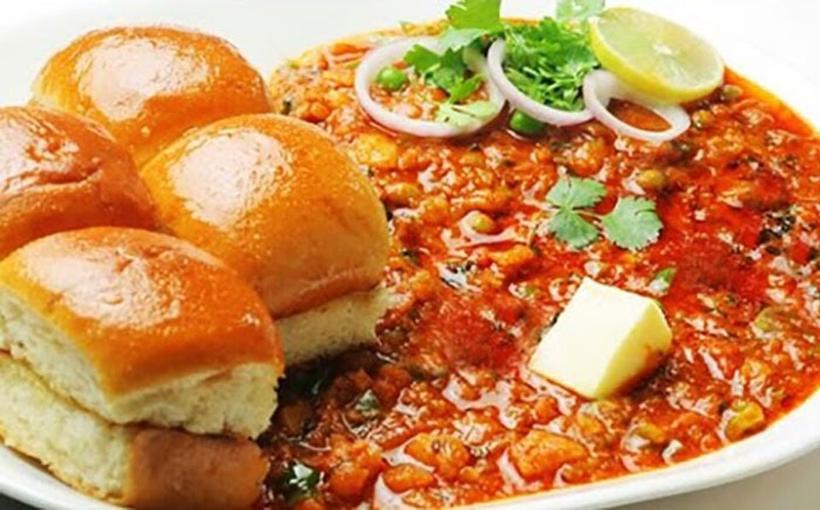
Pav bhaji

Pav bhaji

Buttery vegetable mash, born as cheap late-night food

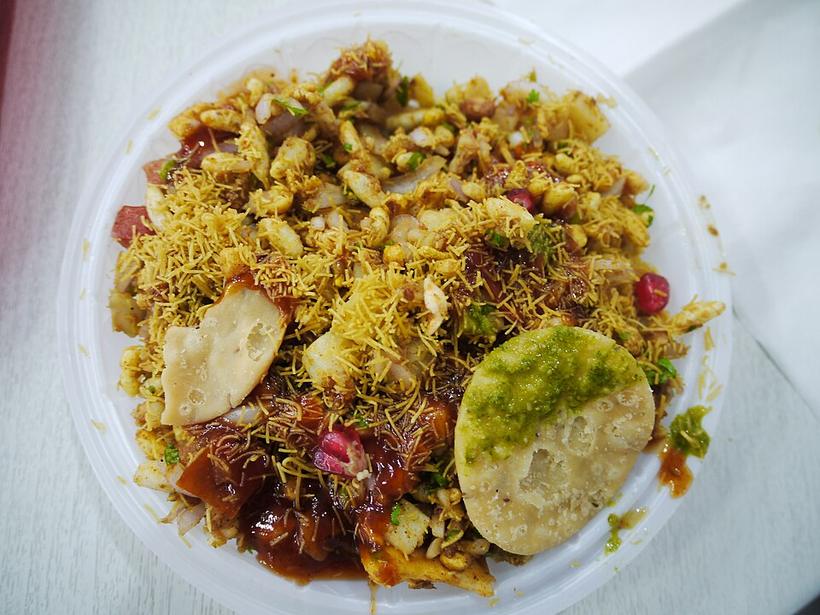
Bhel puri

Bhel puri

Puffed-rice salad, eaten on Chowpatty Beach

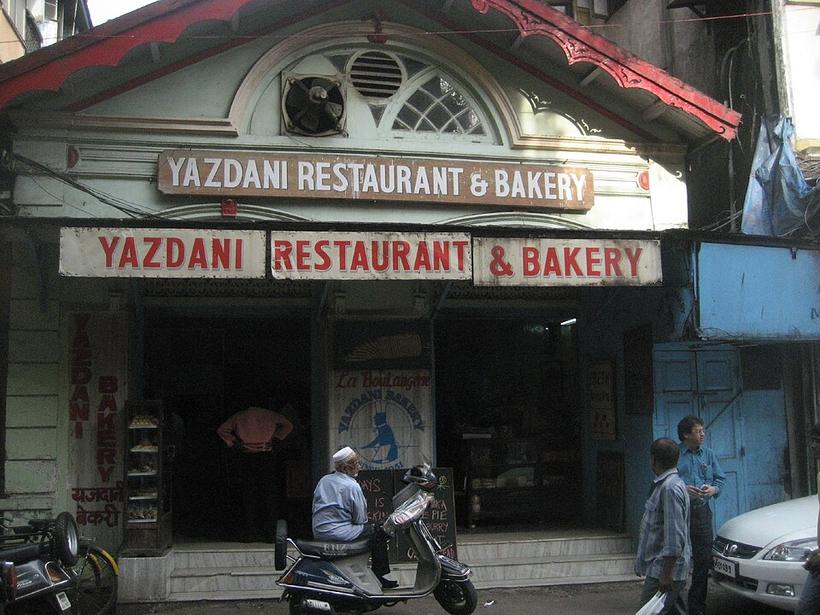
Bun maska and Irani chai

Bun maska and Irani chai

Butter bun and sweet tea in an old Irani café

Bombil fry

Bombil fry

Bombay duck: a fish, fried crisp

Falooda

Falooda

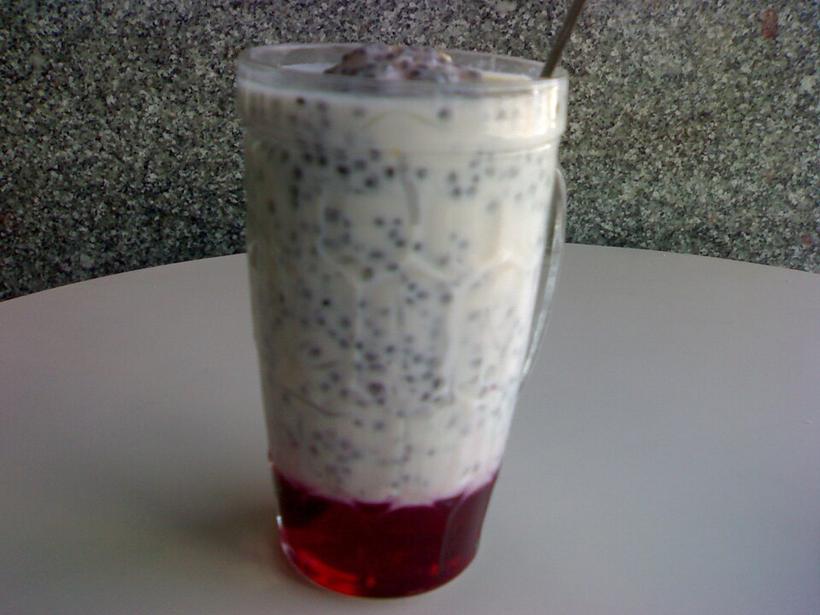
Rose milk, noodles and ice cream in one glass

Who we talk to

Dharavi potters and residents' groupsLunchbox carriersGig delivery ridersChildren of the 1982 mill strikersAmbedkar followers at Chaitya BhoomiA historian of the 1946 navy mutinyMay Day marchers

Episode 2 of 6

Visit Kerala

Really about: The red state that just fell

4 – 7 May 3 nights ~32°C, humid, showers

The episode, scene by scene

VisitStoryNowEgypt mirror
  1. Sunrise at the nets
    Scene 1Visit

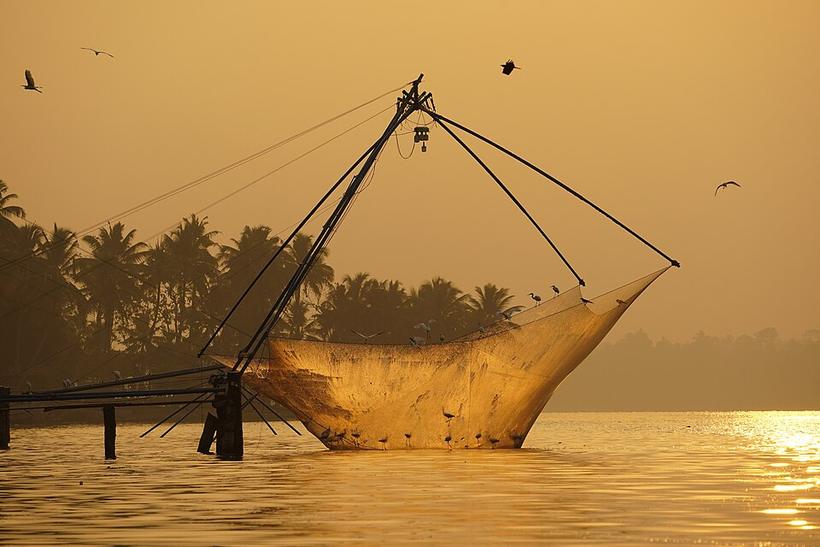
    Sunrise at the nets

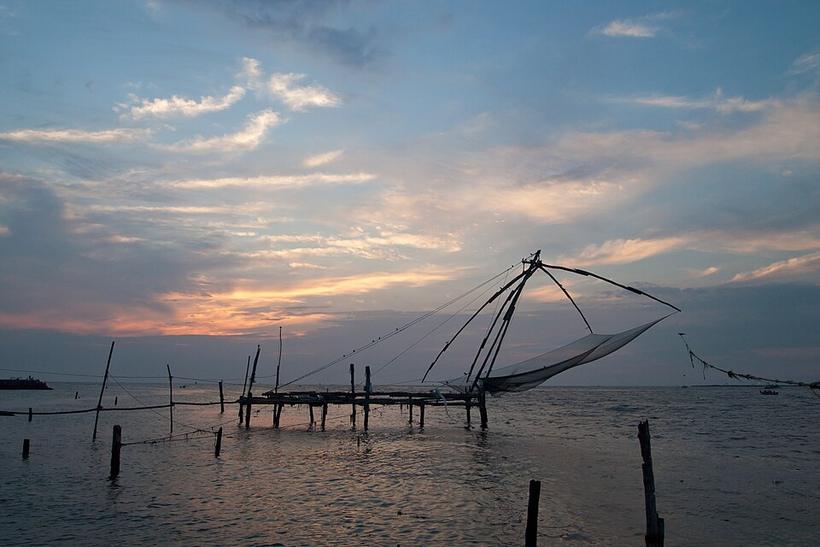
    Fishermen lowering the giant nets into the water

    • For nearly 70 years, communists won elections here again and again
    • In May 2026 they lost. We came to ask why
  2. The pepper road to Egypt
    Scene 2Story

    The pepper road to Egypt

    Sacks of pepper and ginger in the old warehouses

    • Pepper was black gold: Roman Egypt shipped it from this coast to the Red Sea and on to Alexandria
    • Medieval merchants of Fustat, in the Cairo Geniza letters, traded here
    • Read alongside: Amitav Ghosh, In an Antique Land
  3. A trading coast
    Scene 3Story

    A trading coast

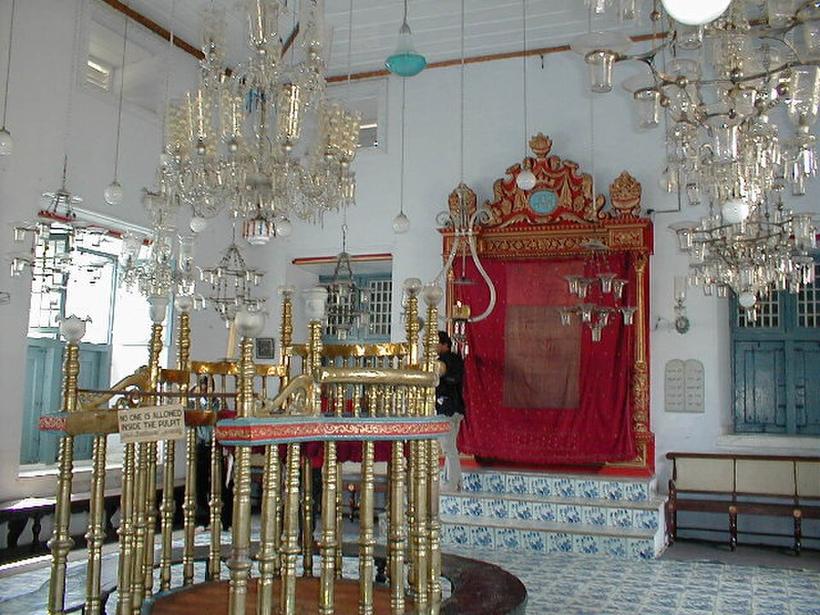
    Blue Chinese floor tiles, the clock tower

    • Jews, Arabs, Chinese and Europeans all traded here
    • The synagogue dates from 1568
    • Most of Kochi's Jews left for Israel after 1948; a handful remain
  4. Europe arrives
    Scene 4Story

    Europe arrives

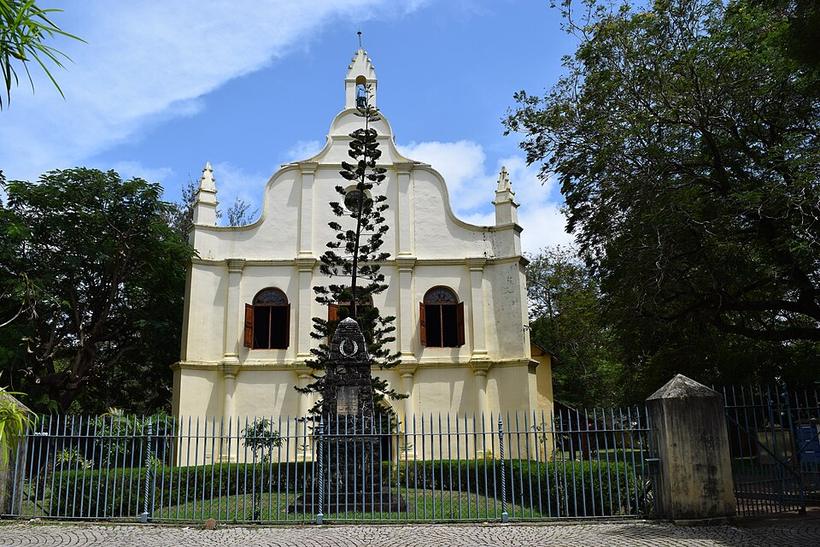
    The old church, then the palace murals

    • Vasco da Gama reaches this coast in 1498 and dies in Kochi in 1524
    • The Portuguese build a palace for the raja; the Dutch take Kochi in 1663
    • Then the British: the pepper trade becomes an empire
  5. Scene 5Story

    Communism by ballot

    Hammer-and-sickle murals, a party office, old photos

    • 1957: Kerala elects a communist government under E. M. S. Namboodiripad
    • Land reform and a schools law; the church and Congress campaign against it
    • Delhi dismisses the government in 1959
    • The Kerala model: literacy and life expectancy close to rich countries
  6. Scene 6Now

    The fall

    Party members, and voters who switched

    • May 2026: the Left drops from 99 seats to 35
    • For the first time in five decades, no Indian state has a communist-led government
    • What went wrong, in their own words
  7. The Gulf economy
    Scene 7Now

    The Gulf economy

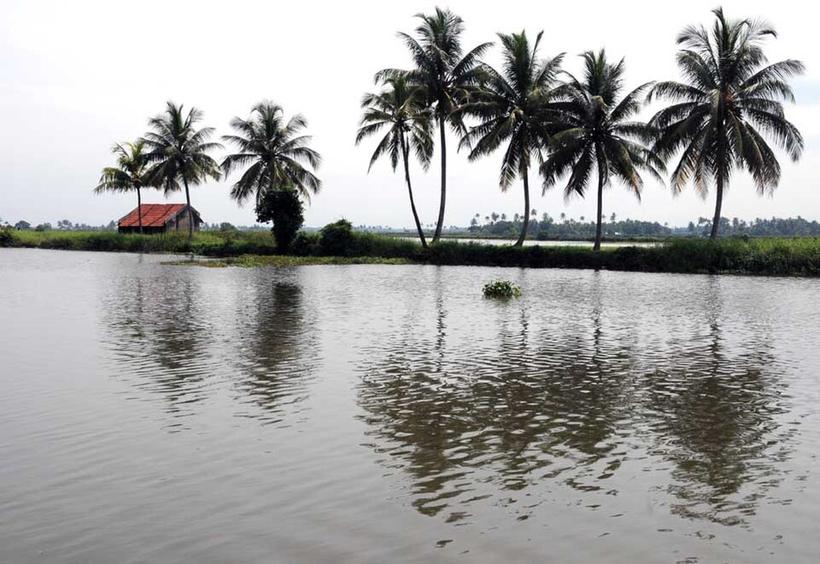
    Backwaters, a toddy shop, big 'Gulf houses'

    • About 2 million people from Kerala live abroad, mostly in the Gulf
    • Their money built the houses you see
    • Kerala caregivers in Israel, and the war
  8. Scene 8Egypt mirror

    Egypt mirror

    Studio

    • Nasser's land reform came by decree; Kerala's came by vote
    • Egyptians and Malayalis side by side in the Gulf
  9. Close: Kathakali
    Scene 9Visit

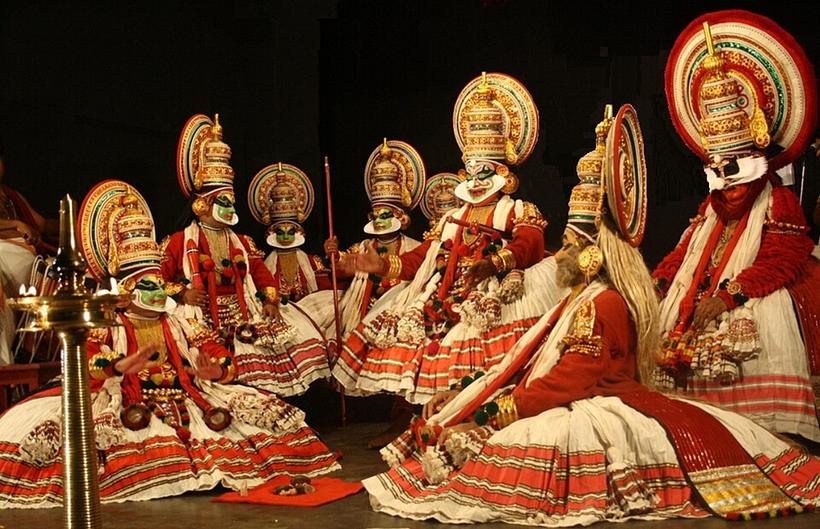
    Close: Kathakali

    Painted faces of gods and demons; then the night train

    • Next: Chennai, and the oldest question in India

Where we go

Chinese fishing nets
SightScene 1

Chinese fishing nets

Giant shore nets, Kochi's icon

Shore-operated lift nets, said to have come with Chinese traders centuries ago. Teams of fishermen work them at dawn and sell the catch on the spot.

Sunrise or sunset45 min
Jew Town and the spice market
SightHistoryScene 2

Jew Town and the spice market

The trade that once fed Roman Egypt

A lane of old warehouses still trading pepper, ginger and cardamom, with antique shops in between. You smell the spices before you see the sacks.

Mornings, Tue to Thu1–2 h
Paradesi Synagogue
HistoryScene 3

Paradesi Synagogue

Built 1568, the oldest active synagogue in the Commonwealth

Built by Kochi's Jewish community, with hand-painted Chinese floor tiles and a clock tower. Only a handful of Kochi's Jews remain.

Closed Fri, Sat and Jewish holidays: go Tue to ThuCheck photo rules inside
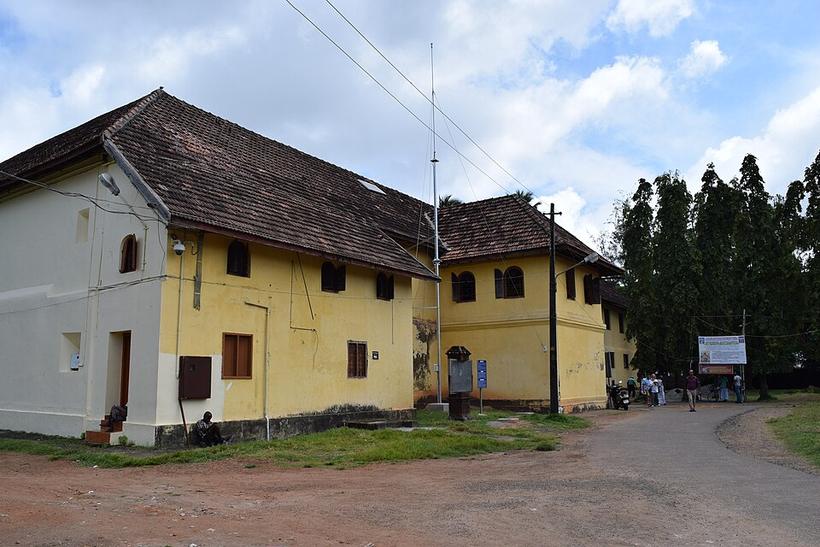
Mattancherry Palace
History

Mattancherry Palace

Portuguese-built, Dutch-rebuilt

Built around 1545 by the Portuguese as a gift to the raja of Kochi, then rebuilt by the Dutch. Inside are some of Kerala's finest murals.

Closed Fridays1 h
St Francis Church
HistoryScene 4

St Francis Church

Vasco da Gama's first grave

One of the oldest European churches in India. Vasco da Gama was buried here in 1524 before his remains were taken back to Portugal.

20 min
Kathakali show
SightScene 9

Kathakali show

Painted-face dance drama

Kerala's classical dance drama: hours of make-up, then gods and demons acted out with eyes and hands. Fort Kochi theatres run short evening shows.

Evening; come early to film the make-up2 h
Backwaters and toddy shops
SightScene 7

Backwaters and toddy shops

Palm toddy and spicy fish by the water

Canals and lagoons behind the coast, lined with palms. Toddy shops serve fresh palm wine with fiery fish curry.

AfternoonHalf a day
Today

Party offices and murals

After the 2026 defeat

Red flags, Marx and Che on the walls, party offices in every town. The mood inside after the May 2026 defeat is the story.

Ask before filming inside

What we eat

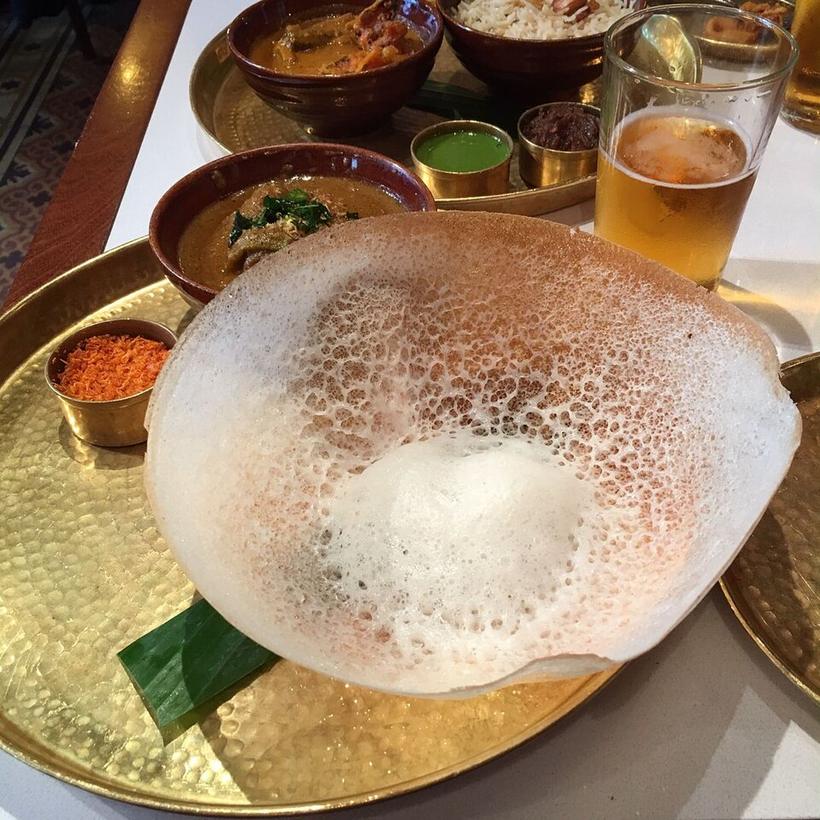
Appam and stew

Appam and stew

Lacy rice pancakes with coconut stew

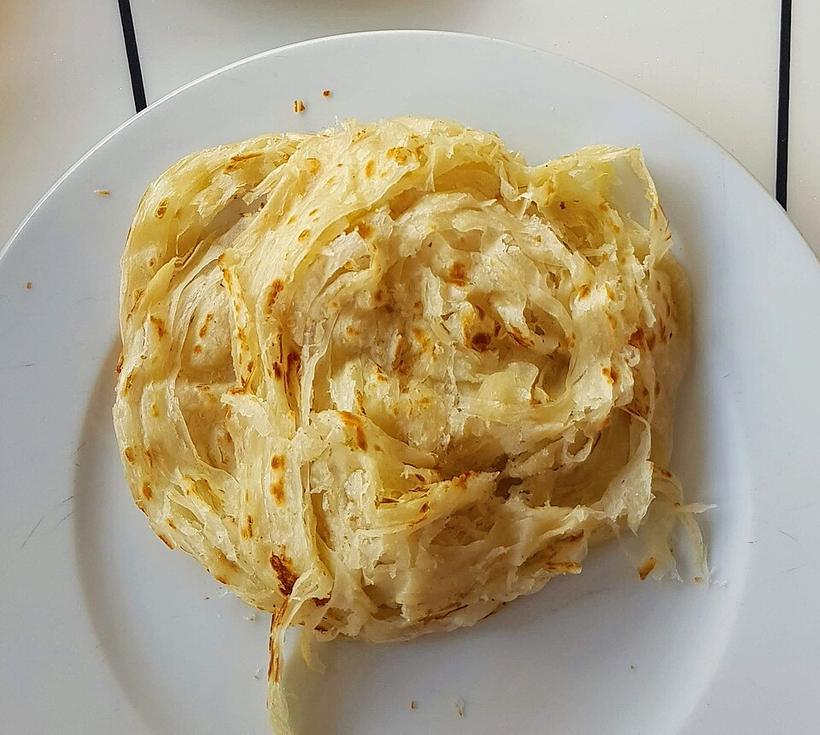
Parotta and beef fry

Parotta and beef fry

Flaky bread with beef: everyday here, political elsewhere in India

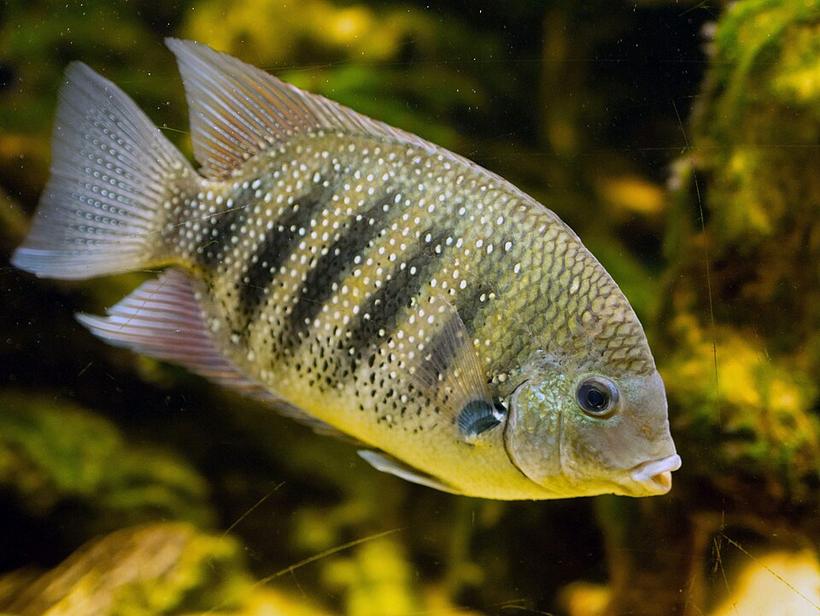
Karimeen pollichathu

Karimeen pollichathu

Pearl-spot fish roasted in a banana leaf

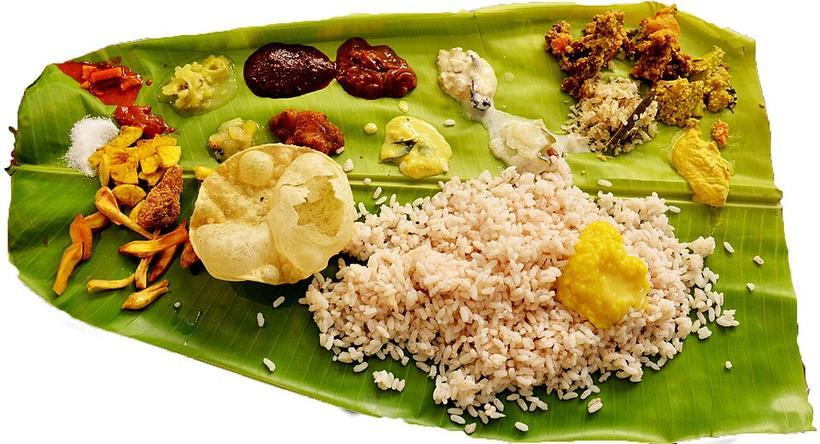
Sadya

Sadya

A feast on a banana leaf, eaten by hand

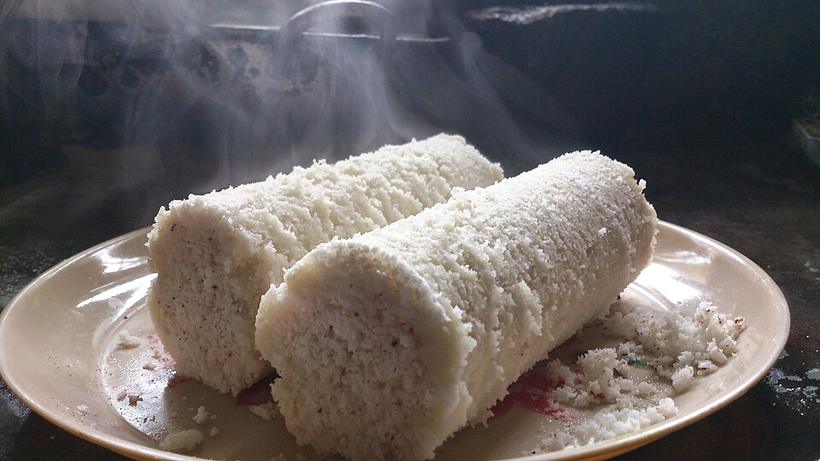
Puttu and kadala

Puttu and kadala

Steamed rice cylinders with black-chickpea curry

Who we talk to

Party members after the defeatVoters who switched sidesFamilies of Gulf migrantsCaregivers back from IsraelOld spice tradersFishermen at the nets

Episode 3 of 6

Visit Chennai

Really about: Caste, and the South that says no

8 – 10 May 2 nights ~37°C, humid

The episode, scene by scene

VisitStoryNowEgypt mirror
  1. Dawn on Marina Beach
    Scene 1Visit

    Dawn on Marina Beach

    Off the sleeper train; fishermen hauling boats, morning walkers

    • On this beach in 1923, India held its first May Day
    • Today: caste, and the South that fights it
  2. Where the British began
    Scene 2Story

    Where the British began

    Fort walls, the old church, the state assembly

    • 1644: Fort St George, the East India Company's first fortress in India
    • Madras was the Company's first big base, decades before Calcutta
    • The Tamil Nadu government still sits inside
  3. The temple and the street
    Scene 3Story

    The temple and the street

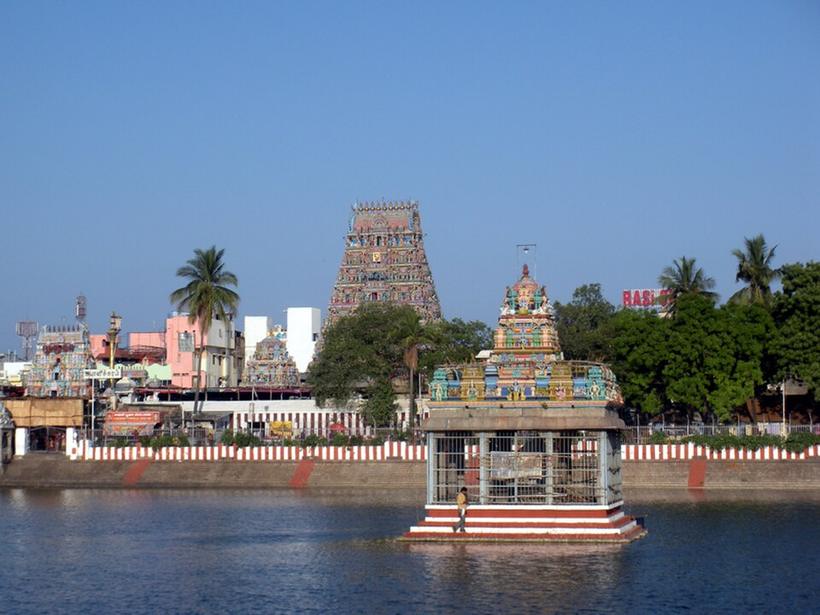
    The painted tower and the temple tank in Mylapore

    • Temples were where caste was most visible: who could enter, who could walk past
    • 1924: the Vaikom protest for Dalits' right to use the temple roads; Periyar joined it
  4. Scene 4Story

    Caste, simply

    A banana-leaf meal: who cooks, who serves, who cleans

    • Caste ranks people by birth, and you marry inside it
    • Those once called untouchable call themselves Dalits: about a sixth of India
    • Ambedkar wanted caste destroyed; Gandhi wanted it reformed
  5. Scene 5Story

    Periyar

    Periyar's museum and his black-shirted followers

    • 1925: the Self-Respect Movement, against caste, Brahmin power and religion itself
    • Women's rights, inter-caste marriage, atheism
    • The parties that ran Tamil Nadu for 60 years grew out of it
  6. Scene 6Now

    Cinema and power

    Giant cut-outs of film stars on the streets

    • Film stars MGR and Jayalalithaa became chief ministers
    • May 2026: actor Vijay's new party breaks the 60-year Dravidian duopoly
    • The South against Delhi: Hindi, money and seats in parliament
  7. Scene 7Now

    Counting caste

    Sanitation workers on the morning shift

    • The 2027 census counts caste for the first time since 1931
    • Who still cleans sewers by hand, and who dies doing it
  8. Scene 8Egypt mirror

    Egypt mirror

    Studio

    • 2015: Egypt's justice minister said a sanitation worker's son can't become a judge, and had to resign
    • No caste law in Egypt, but inherited jobs
  9. Close: filter coffee
    Scene 9Visit

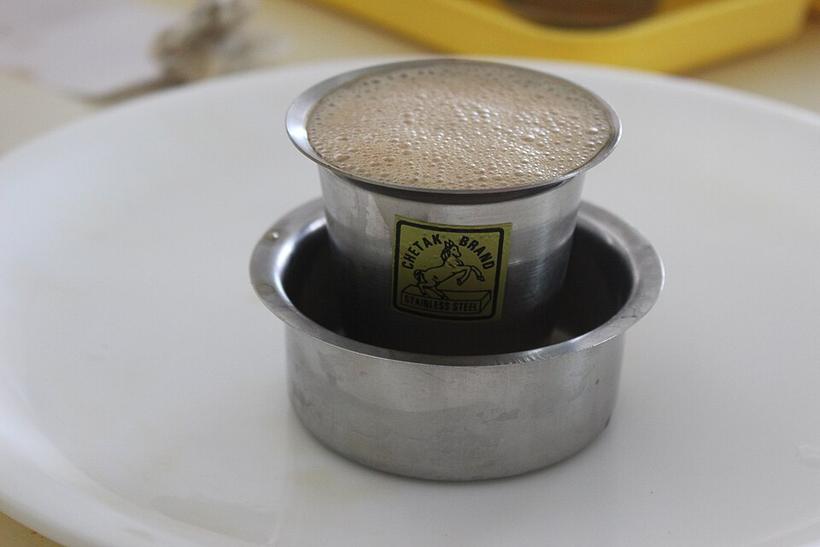
    Close: filter coffee

    Coffee poured from a height between steel cups

    • Next: Kolkata, capital of the Company and of the communists

Where we go

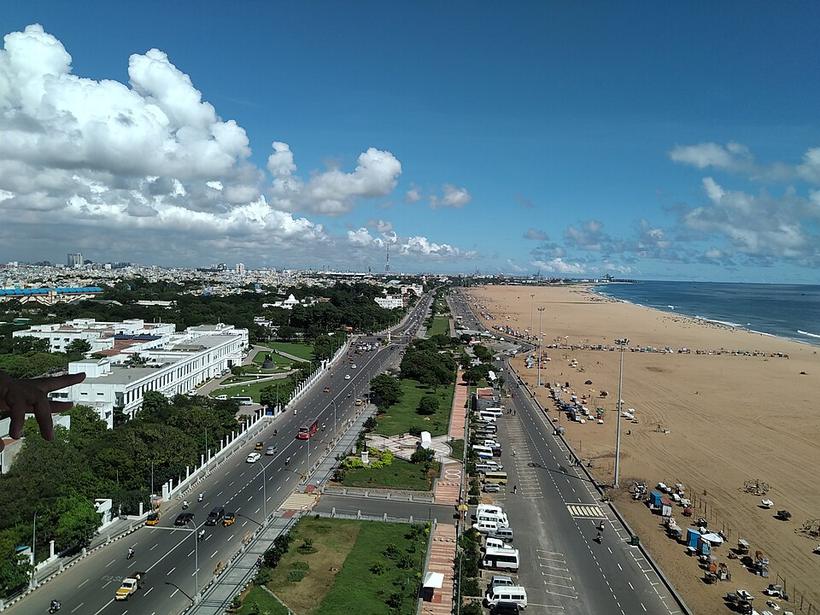
Marina Beach
SightHistoryScene 1

Marina Beach

India's first May Day, 1923

About 13 km of sand along the Bay of Bengal, one of the longest city beaches in the world. Singaravelar held India's first May Day rally here.

Dawn, with the fishermen1 h
Kapaleeshwarar Temple
SightScene 3

Kapaleeshwarar Temple

A tower of painted gods

A Shiva temple in Mylapore with a 37-metre tower covered in painted figures. The temple tank and the streets around it are old Chennai at its liveliest.

Closed midday, roughly 12 to 4No filming inside the shrine
Fort St George
HistoryScene 2

Fort St George

The Company's first fortress, 1644

Built by the East India Company from 1640. The fort museum keeps Company-era weapons, coins and portraits; the state government still works inside.

Museum closed Fridays1–2 h
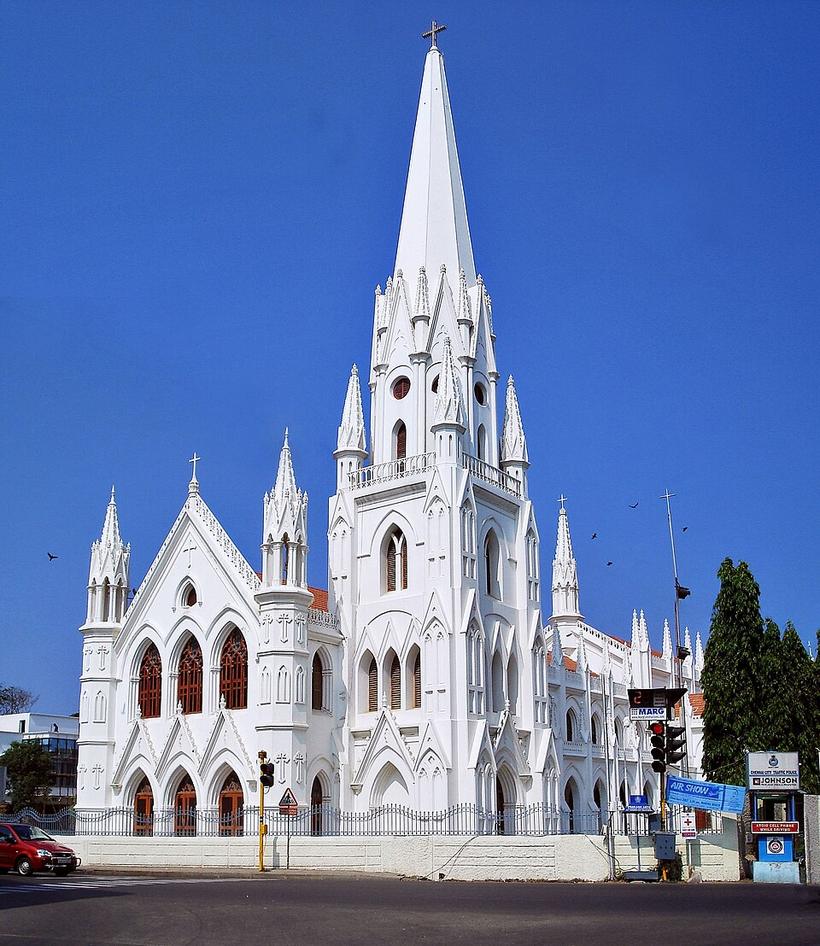
San Thome Basilica
SightHistory

San Thome Basilica

Over the tomb said to be the apostle Thomas's

First built by the Portuguese in the 16th century, rebuilt by the British in 1893.

30 min
History

Periyar Thidal

Home of Periyar's movement

The headquarters of Periyar's Dravidar Kazhagam, with a museum on his life and the Self-Respect Movement.

Check opening hours locally
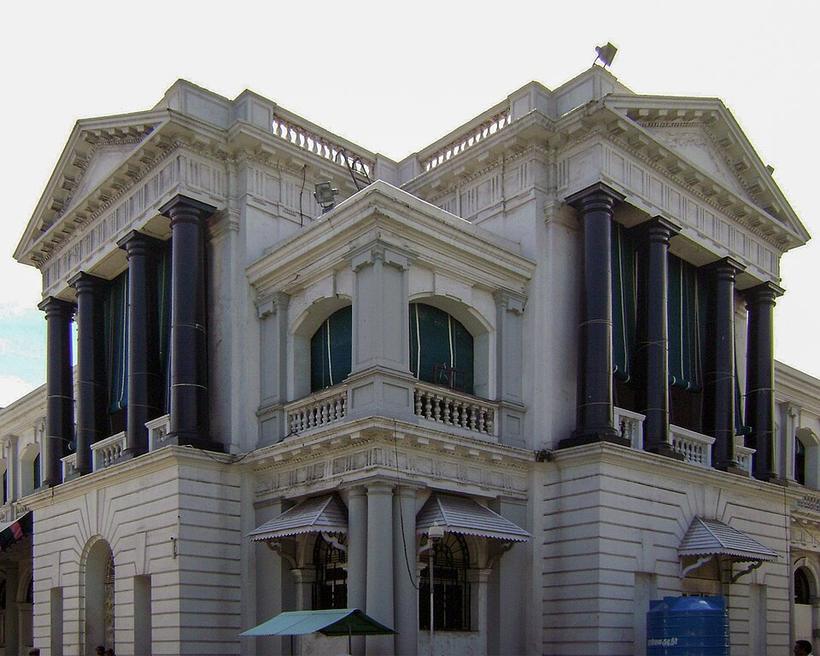
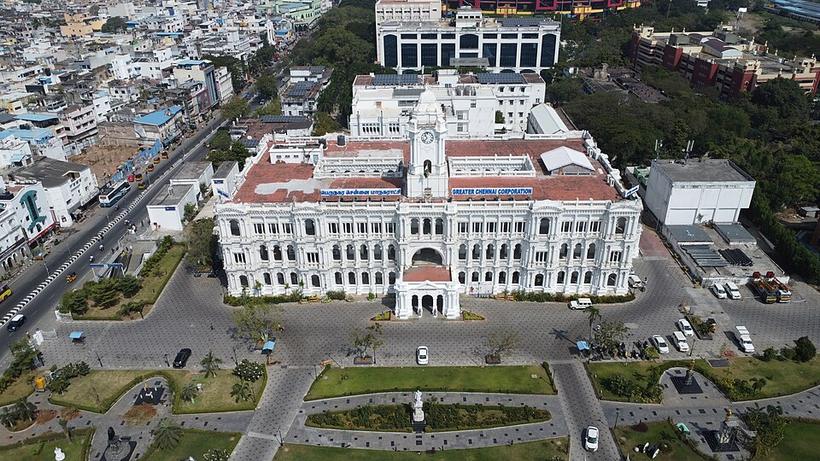
Ripon Building
History

Ripon Building

The colonial city hall

A white neoclassical building from 1913, named after a British viceroy and still the seat of the city corporation.

Lit up at night
Today

Cinema hoardings

Stars who become politicians

Huge painted and printed cut-outs of film stars: part fan worship, part election campaign.

Film from the street

What we eat

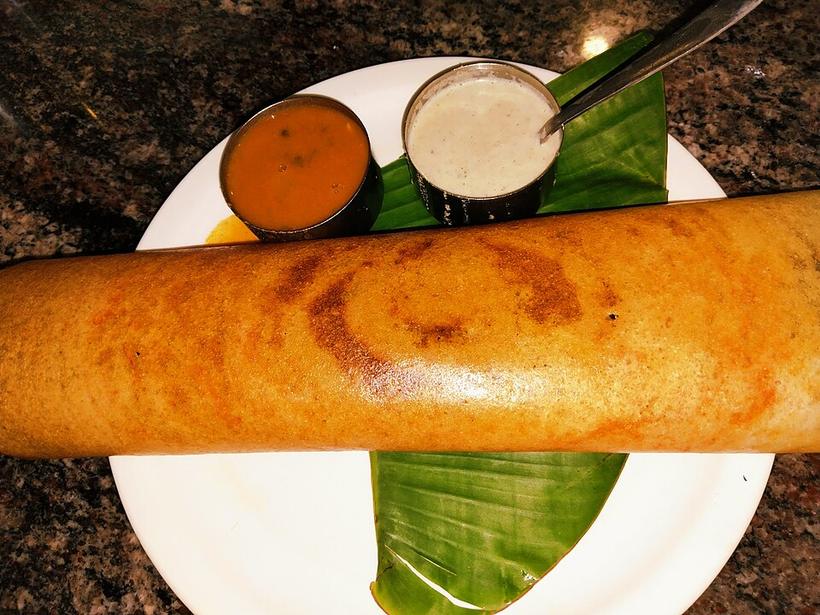
Masala dosa

Masala dosa

Crisp rice crêpe with spiced potato

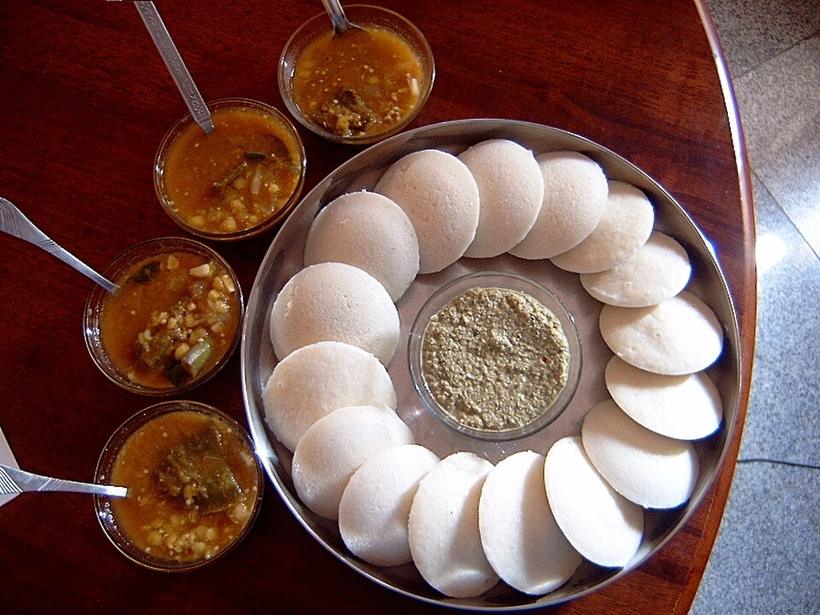
Idli and sambar

Idli and sambar

Steamed rice cakes, the Chennai breakfast

Filter coffee

Filter coffee

Poured from a height between steel cups

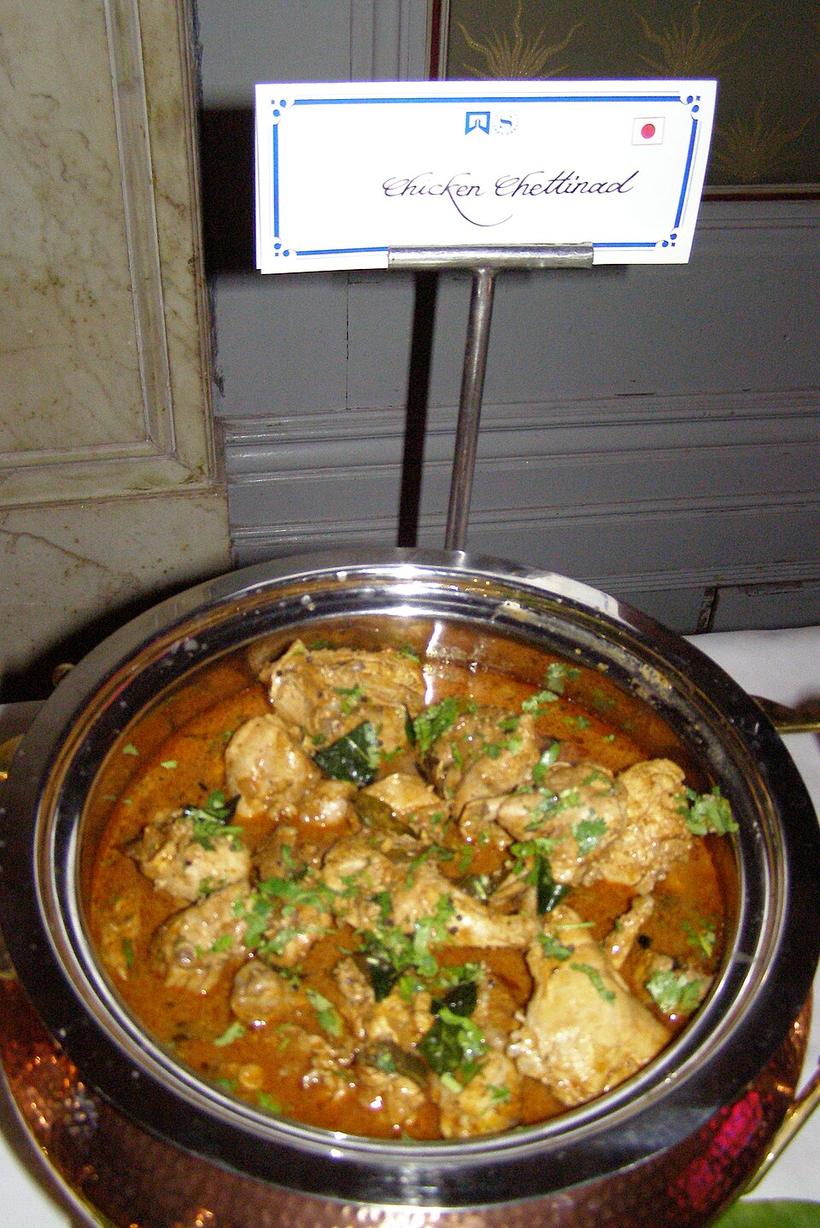
Chettinad chicken

Chettinad chicken

Fiery, pepper-heavy cooking of the Chettiar merchants

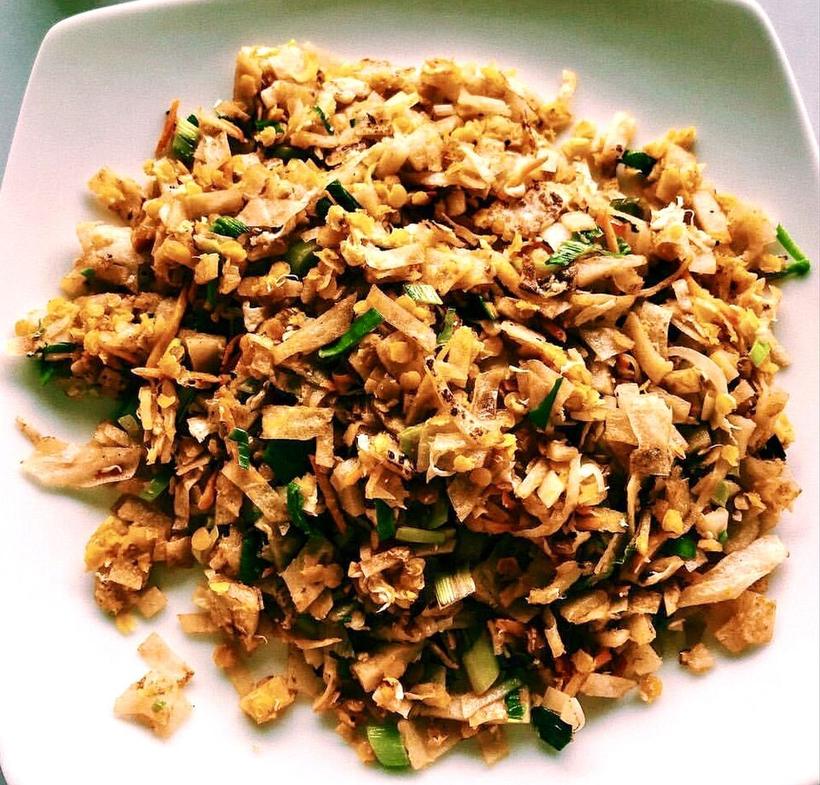
Kothu parotta

Kothu parotta

Chopped parotta on a hot griddle; the clatter is the show

Who we talk to

Periyar's rationalistsDalit activistsSanitation workersFirst-time Vijay votersA historian of the Dravidian movement

Episode 4 of 6

Visit Kolkata

Really about: Bengal: the Company, the communists, the BJP

10 – 13 May 3 nights ~36°C, humid, evening storms

The episode, scene by scene

VisitStoryNowEgypt mirror
  1. Howrah Bridge at dawn
    Scene 1Visit

    Howrah Bridge at dawn

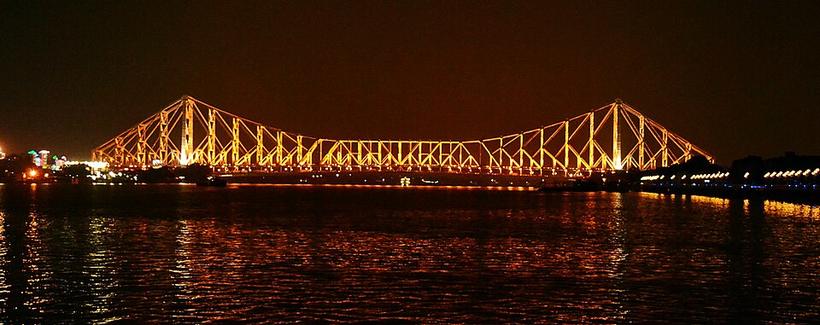
    Porters with flower baskets under the bridge

    • This was the capital of British India
    • And for 34 years, home to the longest-elected communist government in the world
  2. A company with an army
    Scene 2Story

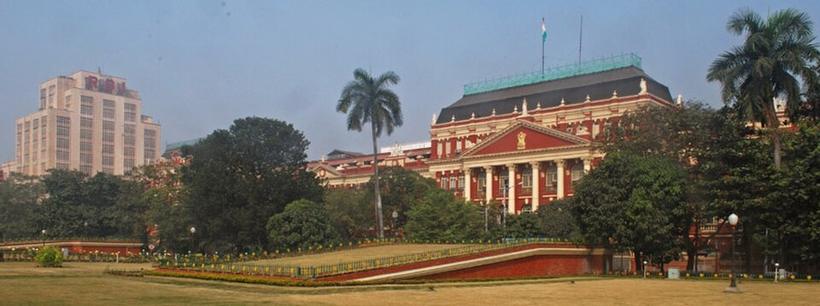
    A company with an army

    The red facade of the Writers' Building

    • Built in 1777 for the East India Company's clerks, the 'writers'
    • 1757: the Company wins Bengal at Plassey, helped by a traitor in the Nawab's army
    • Two centuries later, the Left Front governed Bengal from the same building
  3. Drain and famine
    Scene 3Story

    Drain and famine

    The marble memorial, cut with archive photos of 1943

    • Bengal's weavers ruined, its wealth sent to London
    • 1770 and 1943: two great famines under British rule
    • 1943: up to 3 million die while the war economy comes first
  4. The Company's dead
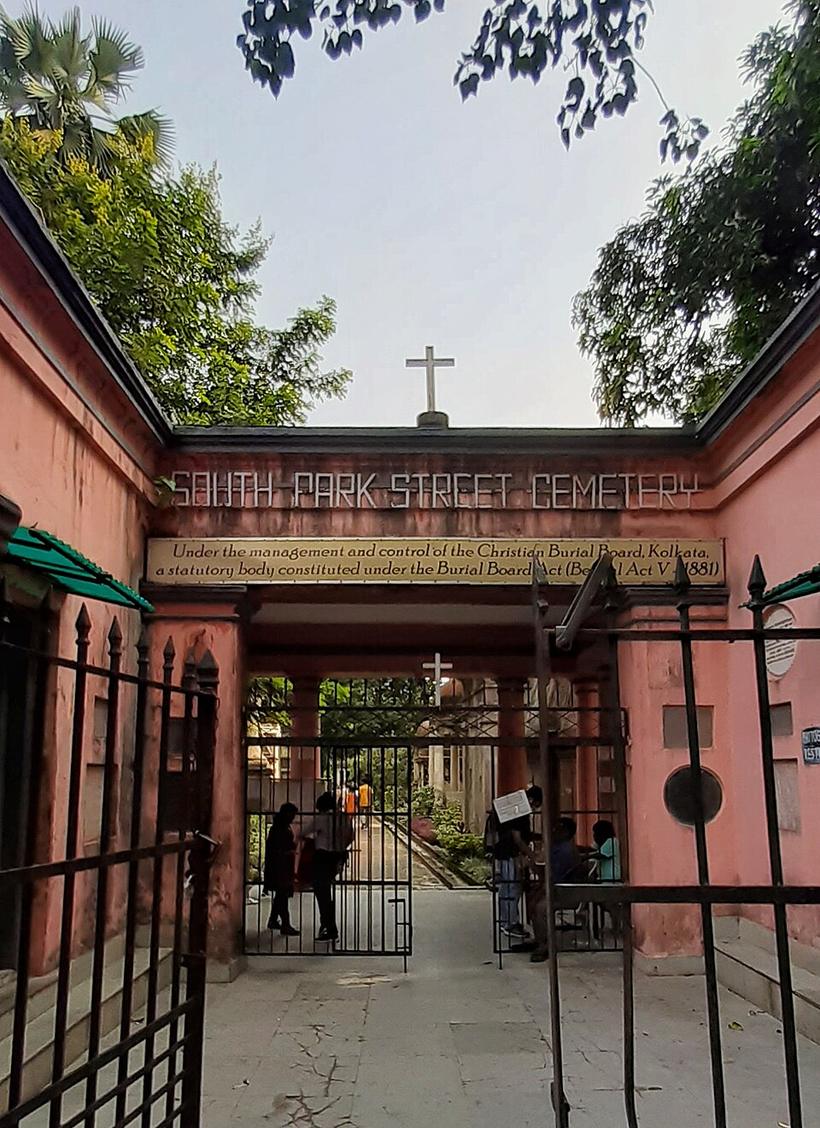
    Scene 4Story

    The Company's dead

    Moss-covered obelisks and tombs

    • The men who ran the Company, buried far from home
    • Their fortunes came out of Bengal
  5. Scene 5Story

    Slavery's sequel

    The old docks on the Hooghly

    • After Britain abolished slavery in 1833, its plantations needed new labour
    • Over a million Indians sailed from Kolkata as indentured workers to the Caribbean, Mauritius, Fiji and South Africa
  6. The red decades
    Scene 6Now

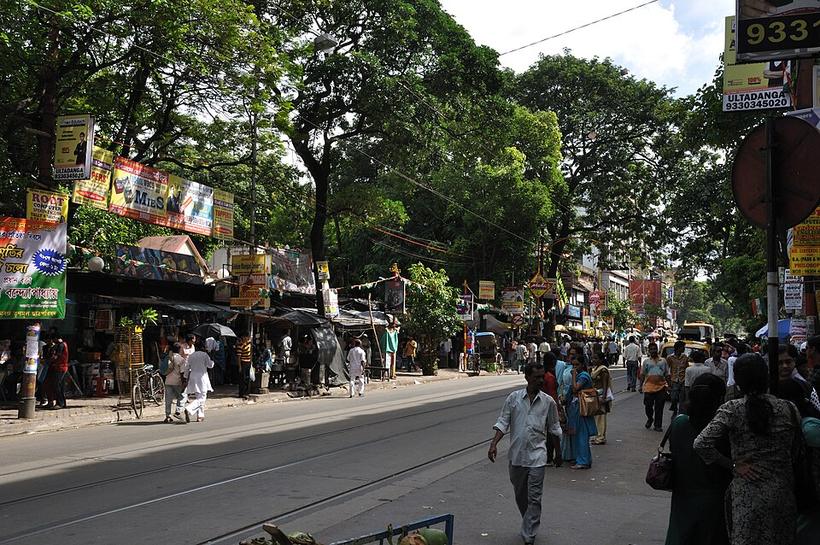
    The red decades

    College Street's bookstalls and the Coffee House

    • 1977 to 2011: the Left Front rules Bengal and gives land to sharecroppers
    • 2007: farmland seized for a Tata car plant at Singur and a chemical hub at Nandigram; 14 villagers killed
    • 2011: the Left loses Bengal and never recovers
  7. Scene 7Now

    Red to saffron

    New BJP voters, and old Left families

    • May 2026: the BJP wins Bengal for the first time, with over 200 of 294 seats
    • Where did the red voters go?
    • Naxalbari, 1967: the armed left, born in north Bengal and declared defeated in March 2026
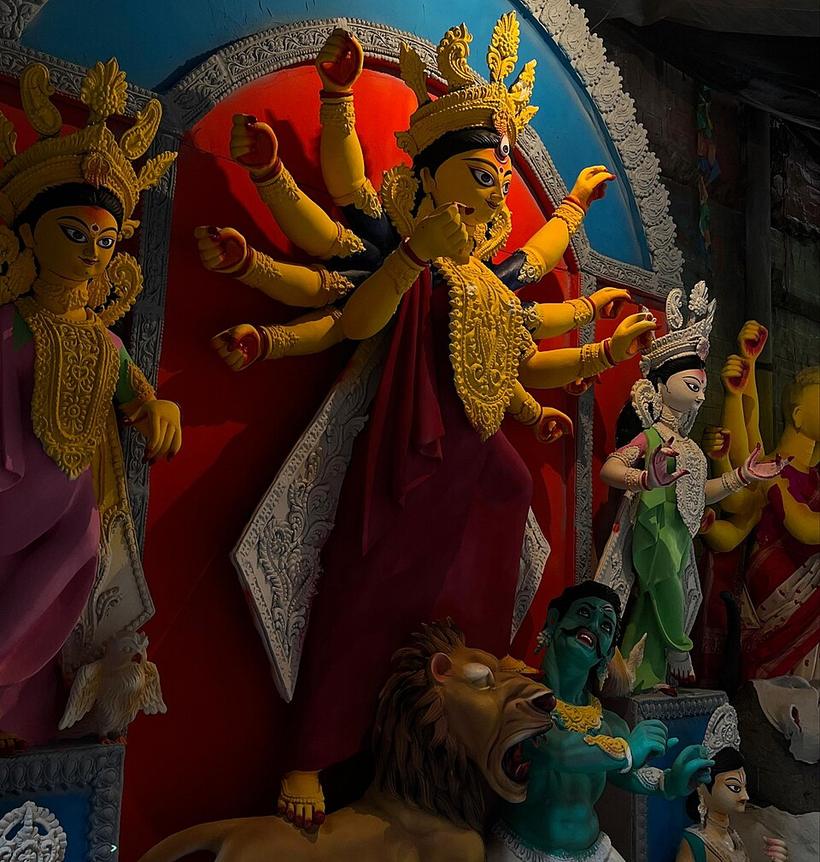
  8. Gods of river clay
    Scene 8Visit

    Gods of river clay

    Sculptors shaping gods from Hooghly mud

    • A quiet scene: a craft passed down for generations
  9. Scene 9Egypt mirror

    Egypt mirror

    Studio

    • Britain took Egypt in 1882 to guard the road to India
    • Cotton for Lancashire in both countries; famine and bread
  10. Close: a kathi roll, and 1857
    Scene 10Visit

    Close: a kathi roll, and 1857

    Street food at night

    • 10 May: 170 years since the 1857 uprising, whose first shot was fired up the river at Barrackpore
    • Next: Amritsar and the border

Where we go

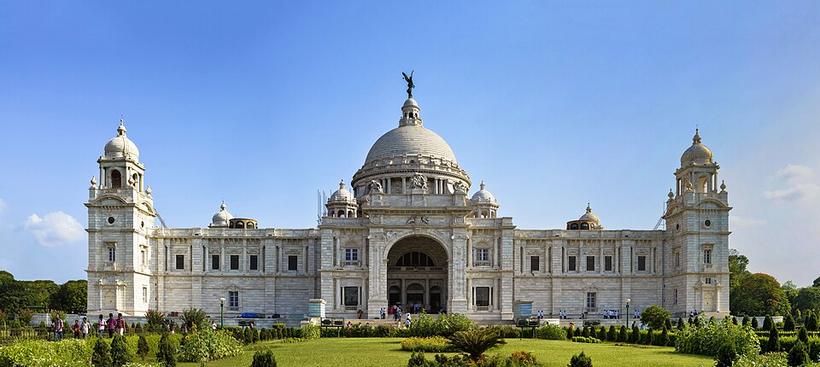
Victoria Memorial
SightHistoryScene 3

Victoria Memorial

A marble museum of the empire

A white marble hall built from 1906 to 1921 in memory of Queen Victoria, now a museum of the British period. Its gardens are the city's lungs.

Closed Mondays2 h
Howrah Bridge
SightScene 1

Howrah Bridge

Steel giant over the Hooghly

A cantilever bridge opened in 1943, crossed by huge crowds of people and traffic every day. The flower market sits at its foot.

Dawn1 h
Sight

Mullick Ghat flower market

Mountains of marigolds

One of Asia's largest flower markets, piled with marigold garlands at the foot of Howrah Bridge.

Early morning1 h
Writers' Building
HistoryScene 2

Writers' Building

From the Company's clerks to the Left Front

Built in 1777 for the East India Company's junior clerks. From 1977 to 2011 it was the seat of the Left Front government.

Film from outside
College Street and the Coffee House
SightHistoryScene 6

College Street and the Coffee House

Books, and the Left's café

Bookstalls along the street by Calcutta University. The Indian Coffee House upstairs has hosted the city's poets and politicos for generations.

Afternoon2 h
Kumartuli
SightScene 8

Kumartuli

Where gods are made from river clay

The potters' quarter on the Hooghly. In May it's quieter than before the autumn festivals, which makes filming easier.

1 h
South Park Street Cemetery
HistoryScene 4

South Park Street Cemetery

The Company's first century

Opened in 1767 and full of Company-era obelisks and tombs.

45 min
History

Kidderpore docks

Where indentured labourers set sail

The docks on the Hooghly where indentured labourers boarded ships after slavery ended. A memorial marks the depot.

Port area: check access first

What we eat

Kathi roll

Kathi roll

Kebab wrapped in paratha; Kolkata invented it
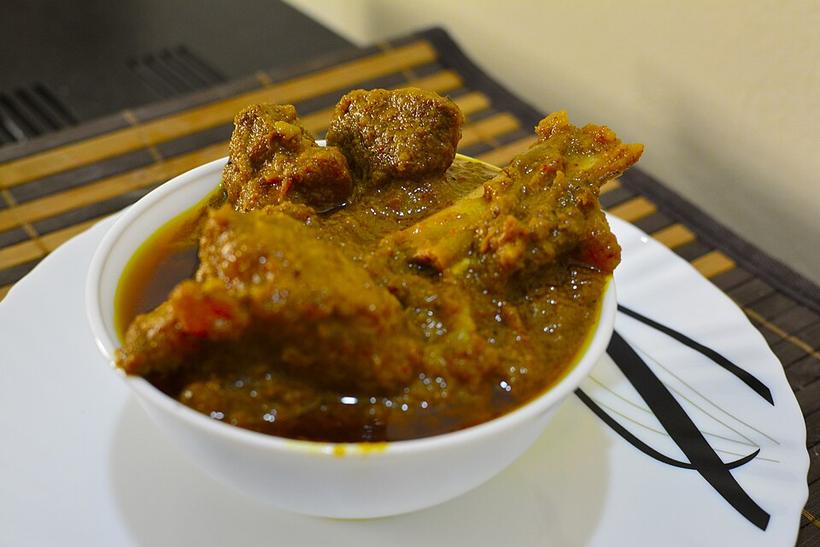
Kosha mangsho

Kosha mangsho

Slow-cooked mutton, dark and rich

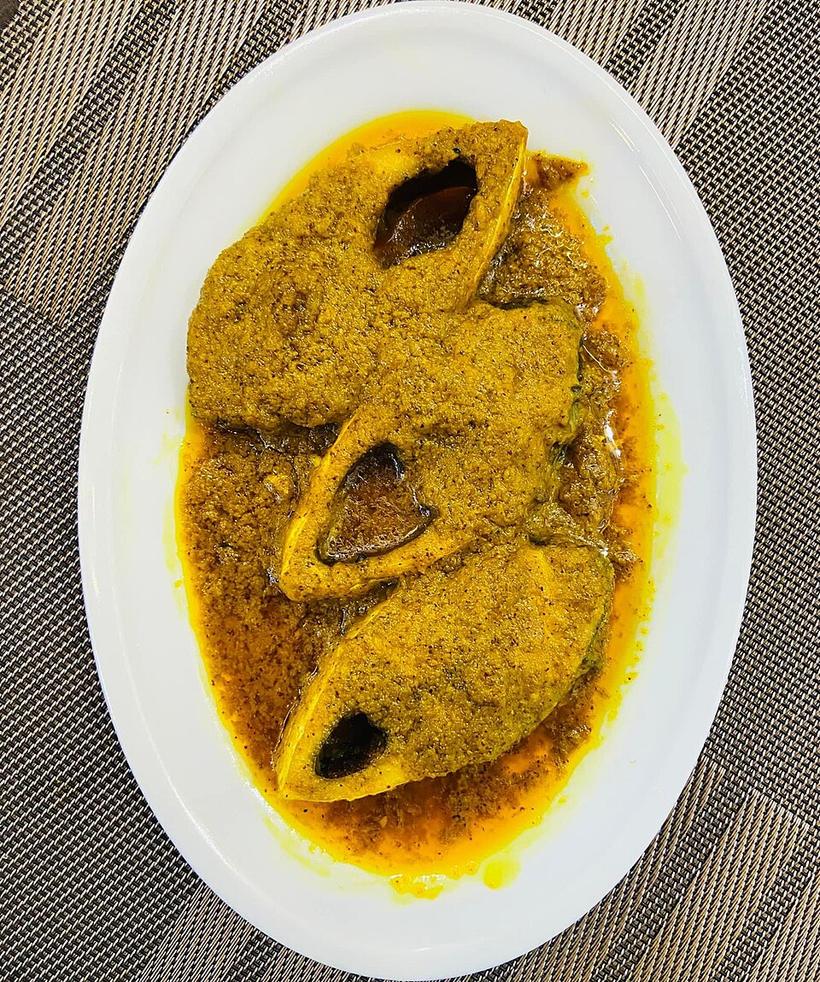
Shorshe ilish

Shorshe ilish

Hilsa fish in mustard sauce
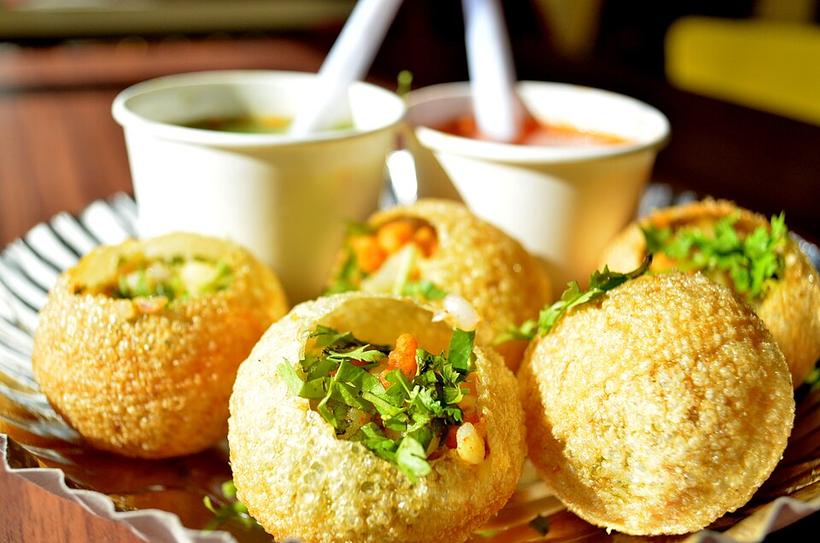
Phuchka

Phuchka

Kolkata's tangier pani puri

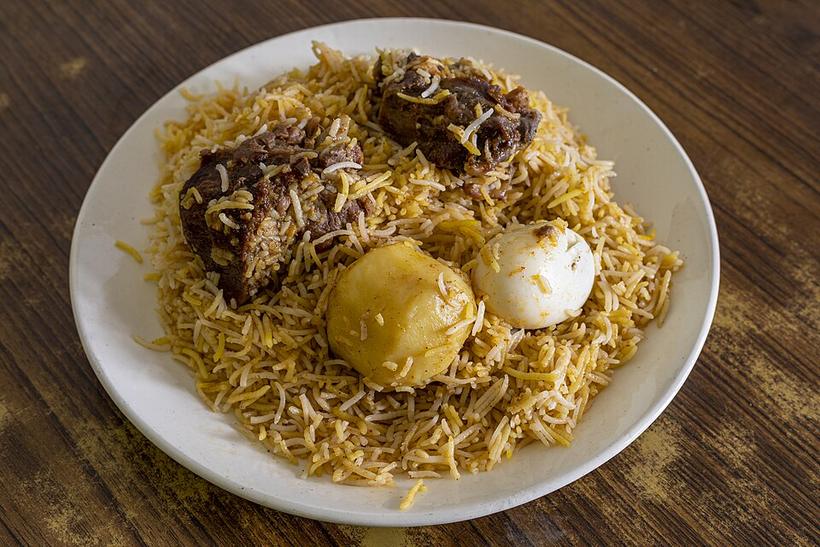
Kolkata biryani

Kolkata biryani

With a potato, brought by a Nawab the British exiled here in 1856

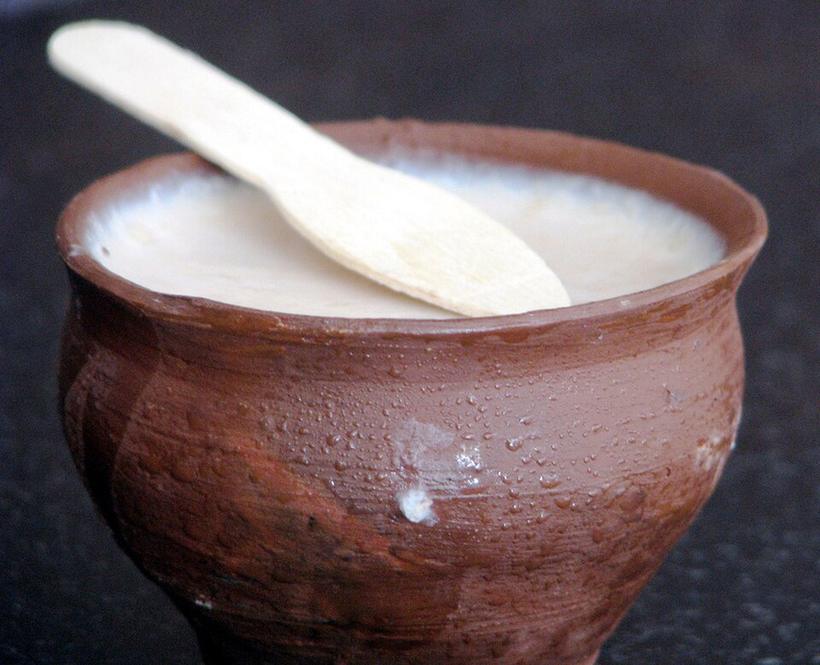
Mishti doi

Mishti doi

Sweet yogurt set in clay pots

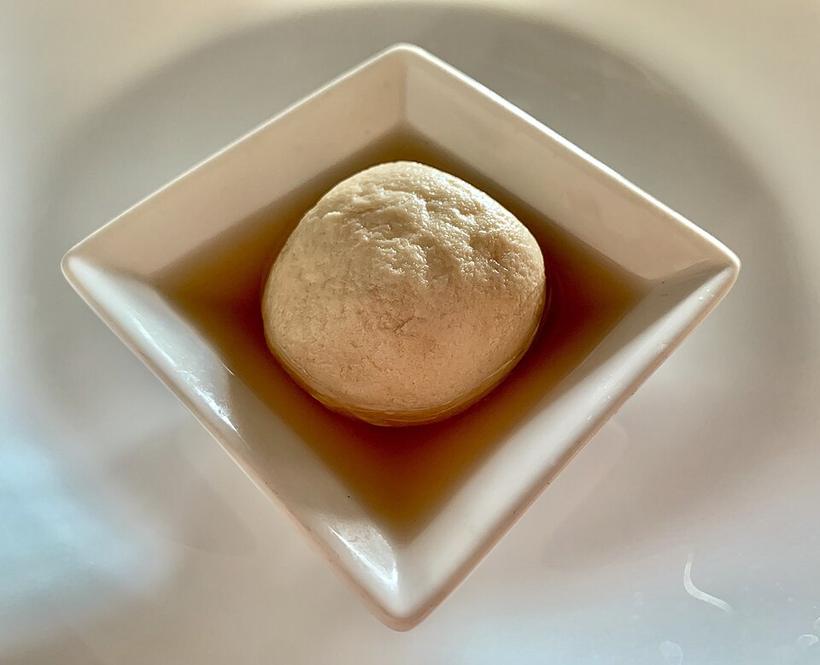
Rosogolla

Rosogolla

Syrup-soaked cheese balls

Who we talk to

Veterans of the Left Front yearsNew BJP votersHistorians of the 1943 famineCollege Street booksellersCoffee House regulars

Episode 5 of 6

Visit Amritsar

Really about: Partition at 80

13 – 15 May 2 nights ~40°C, dry

The episode, scene by scene

VisitStoryNowEgypt mirror
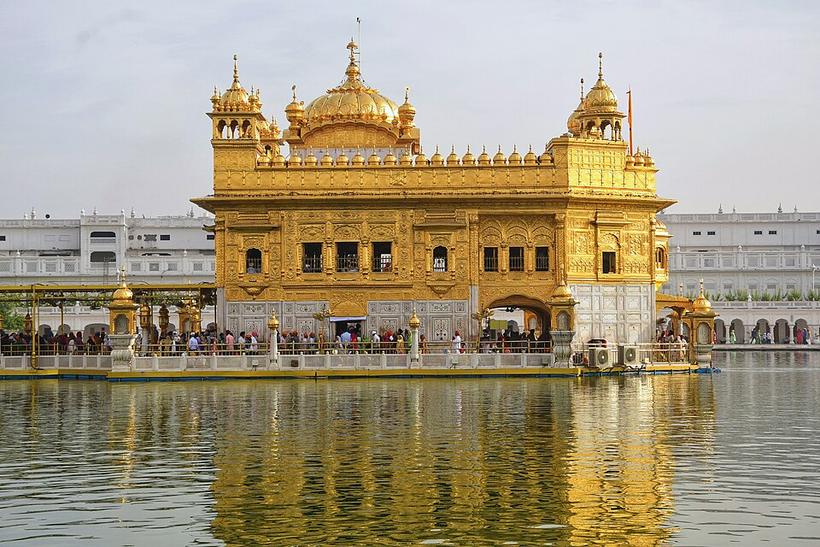
  1. The Golden Temple at dawn
    Scene 1Visit

    The Golden Temple at dawn

    Gold reflected in the pool, pilgrims bathing

    • Thirty kilometres from here is a border drawn in five weeks
    • It killed up to two million people
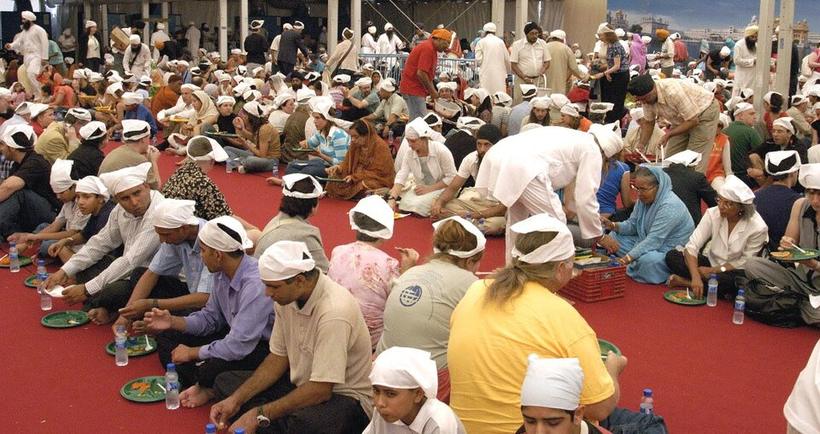
  2. The free kitchen
    Scene 2Visit

    The free kitchen

    Rows of people on the floor, volunteers serving dal and roti

    • Everyone eats together, whatever their caste or religion
    • Run entirely by volunteers and donations
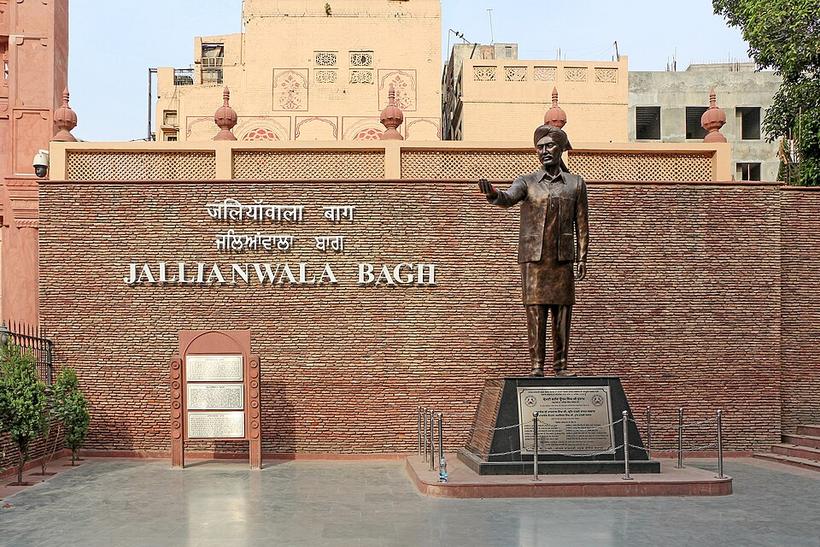
  3. 13 April 1919
    Scene 3Story

    13 April 1919

    The narrow entrance, the bullet marks, the well

    • British troops fire for about ten minutes into a trapped, unarmed crowd
    • The British count 379 dead; Indian counts are far higher
    • The same spring as Egypt's 1919 revolution
  4. Scene 4Story

    1947

    The Partition Museum: survivors' voices and what they carried

    • A border drawn in five weeks by a lawyer who had never been to India
    • Punjab cut in two: between 200,000 and 2 million dead, about 15 million uprooted
    • Trains of the dead between Lahore and Amritsar
  5. Scene 5Story

    Bhagat Singh

    His face painted on Punjab's walls

    • Punjab's Marxist revolutionary
    • 1929: throws harmless bombs into the assembly, "to make the deaf hear"
    • Hanged in Lahore in 1931, aged 23
  6. Sunset at the border
    Scene 6Now

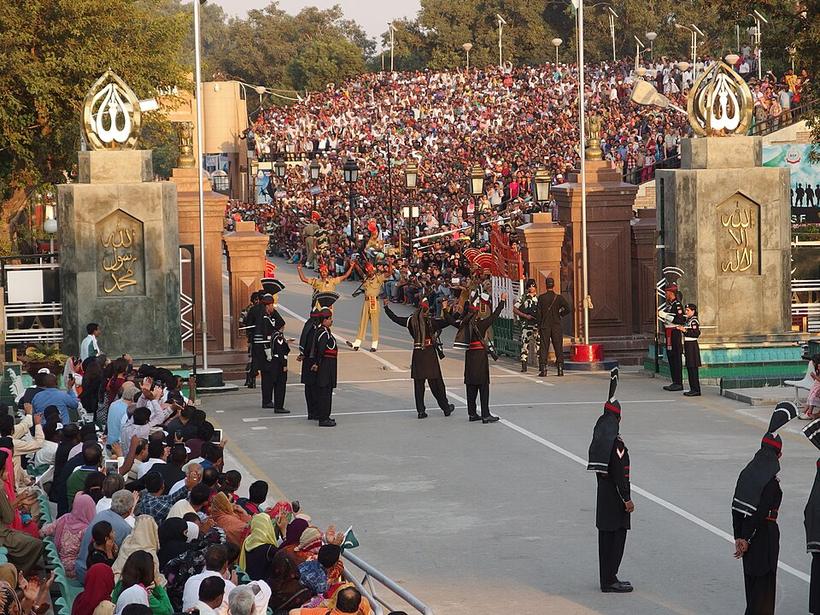
    Sunset at the border

    Soldiers high-kicking, crowds chanting, gates shut

    • The ceremony runs again since May 2025: scaled down, no handshake
    • Families still split across the line
    • Lahore is about 50 km away
  7. Scene 7Now

    The farmers who won

    Harvested wheat fields and a farmers' union office

    • 2020–21: Punjab's farmers camp on Delhi's borders for a year
    • Modi repeals the three farm laws: his biggest defeat
    • Young Punjab leaving for Canada and the Gulf
  8. Scene 8Egypt mirror

    Egypt mirror

    Studio

    • Palestine: the UN partition plan of November 1947
    • The same empire leaving and splitting, months apart
  9. Close: kulcha and the train
    Scene 9Visit

    Close: kulcha and the train

    Breakfast, then the train to Delhi

    • Next: Delhi, and the India the Hindu right wants to erase

Where we go

Golden Temple
SightScene 1

Golden Temple

Sikhism's holiest shrine

Harmandir Sahib sits in a sacred pool and is open to everyone, day and night. Cover your head and go barefoot.

Dawn and late night are calmest2–3 h
The free kitchen
SightTodayScene 2

The free kitchen

Free meals for tens of thousands a day

The langar is cooked and served by volunteers. Anyone can sit down to eat, and anyone can help.

Volunteer for an hour
Jallianwala Bagh
HistoryScene 3

Jallianwala Bagh

13 April 1919

The walled garden where British troops fired on a peaceful crowd. The bullet marks and the well are preserved.

1 hNext to the Golden Temple
History

Partition Museum

The world's first museum of Partition

In the old Town Hall, built around survivors' oral histories and the objects they carried across the border.

Closed Mondays2 h
Attari–Wagah ceremony
SightTodayScene 6

Attari–Wagah ceremony

The border at sunset

The daily flag-lowering ceremony at the India–Pakistan border: marching, high kicks and chanting crowds. Scaled down since May 2025, gates shut, no handshake.

Arrive 2 h before sunsetAbout 30 km from the city

What we eat

Amritsari kulcha

Amritsari kulcha

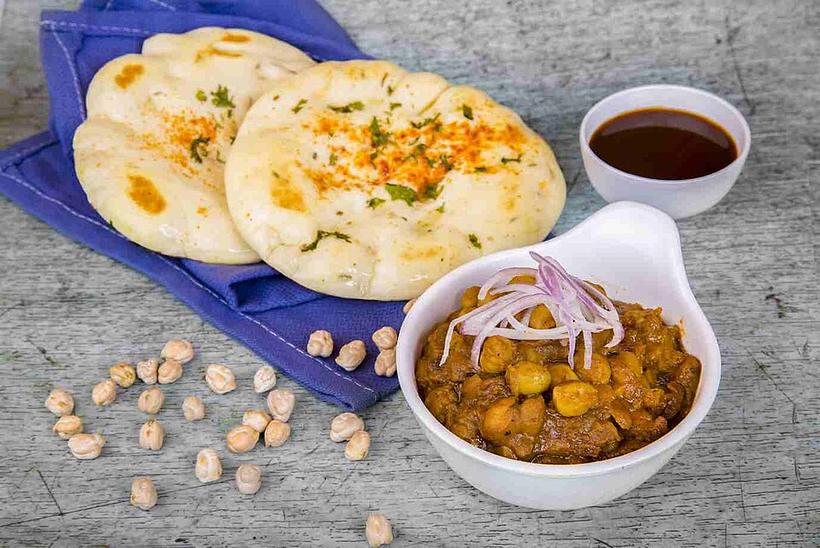
Stuffed bread from the tandoor, with chole

Lassi

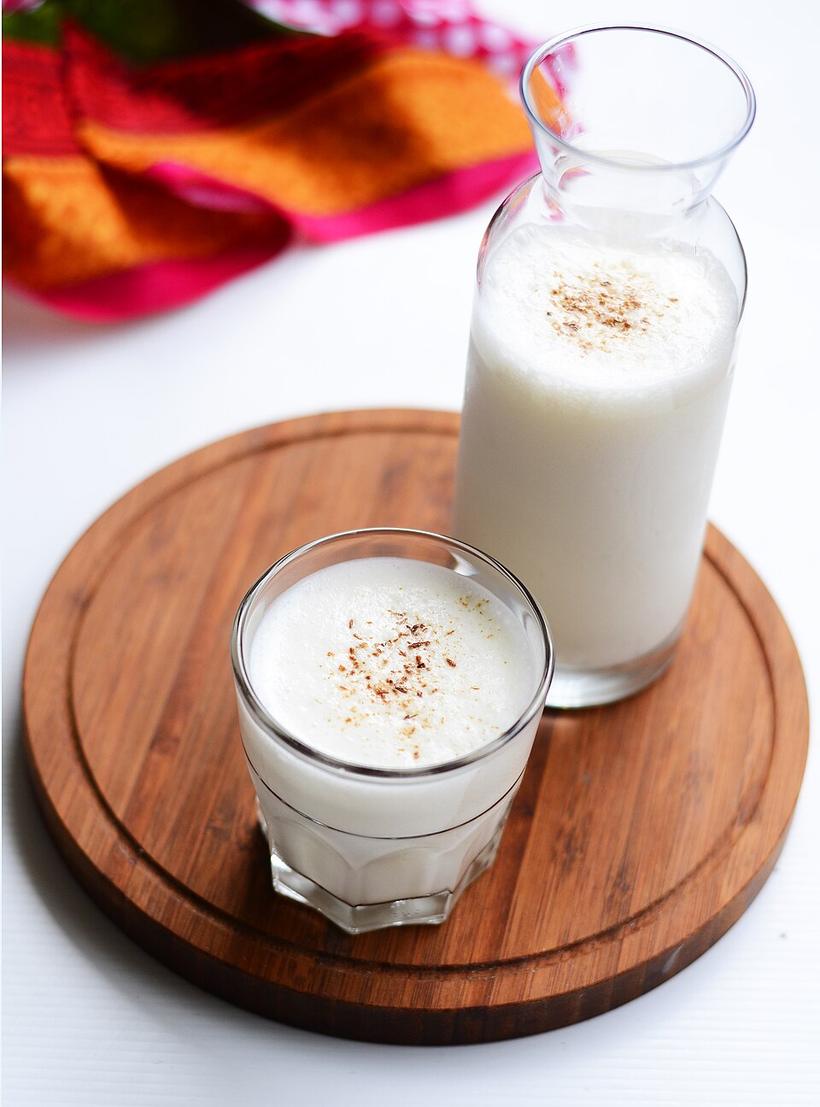
Lassi

Thick yogurt drink in steel tumblers

Chole bhature

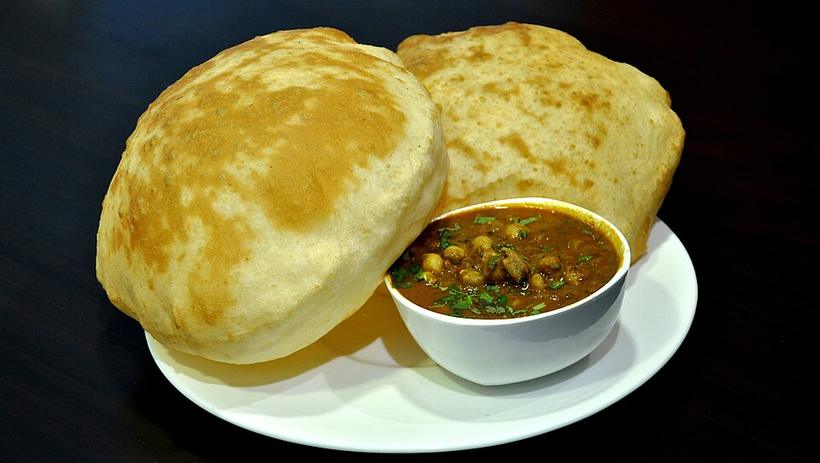
Chole bhature

Fried bread and chickpeas, the big breakfast

Amritsari fish

Spiced, batter-fried river fish

Kheer

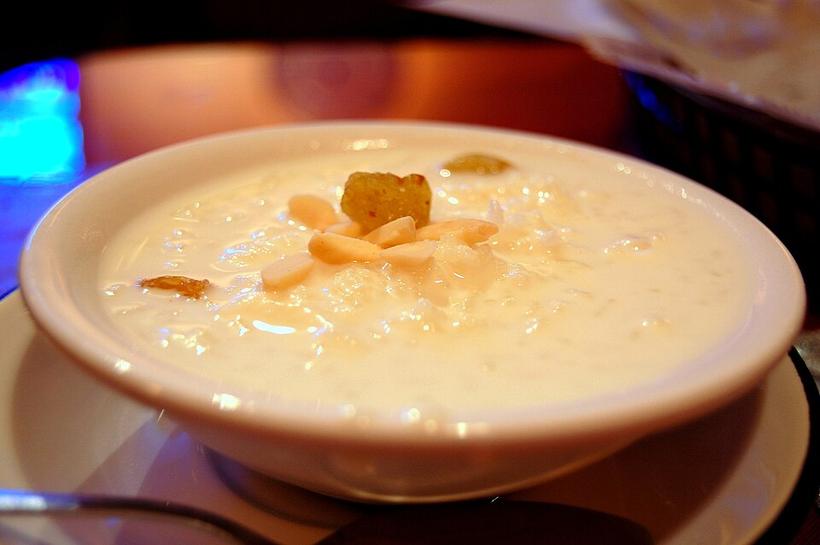
Kheer

Rice pudding, served free in the langar

Who we talk to

Partition survivors, now in their late 80s and 90sThe Partition Museum's oral history teamFarmers from the 2020–21 protestGolden Temple kitchen volunteers

Episode 6 of 6

Visit Delhi

Really about: Shared India: Mughals, Sufis, Urdu

15 – 19 May 4 nights ~40°C, dry

The episode, scene by scene

VisitStoryNowEgypt mirror
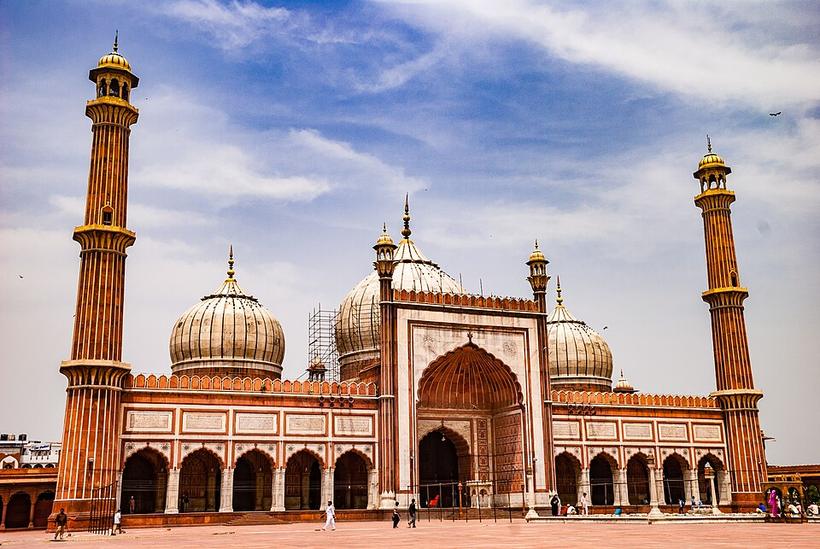
  1. Eid at Jama Masjid
    Scene 1Visit

    Eid at Jama Masjid

    Tens of thousands praying in the courtyard

    • Muslims ruled Delhi for six centuries
    • Today, part of India wants that history erased
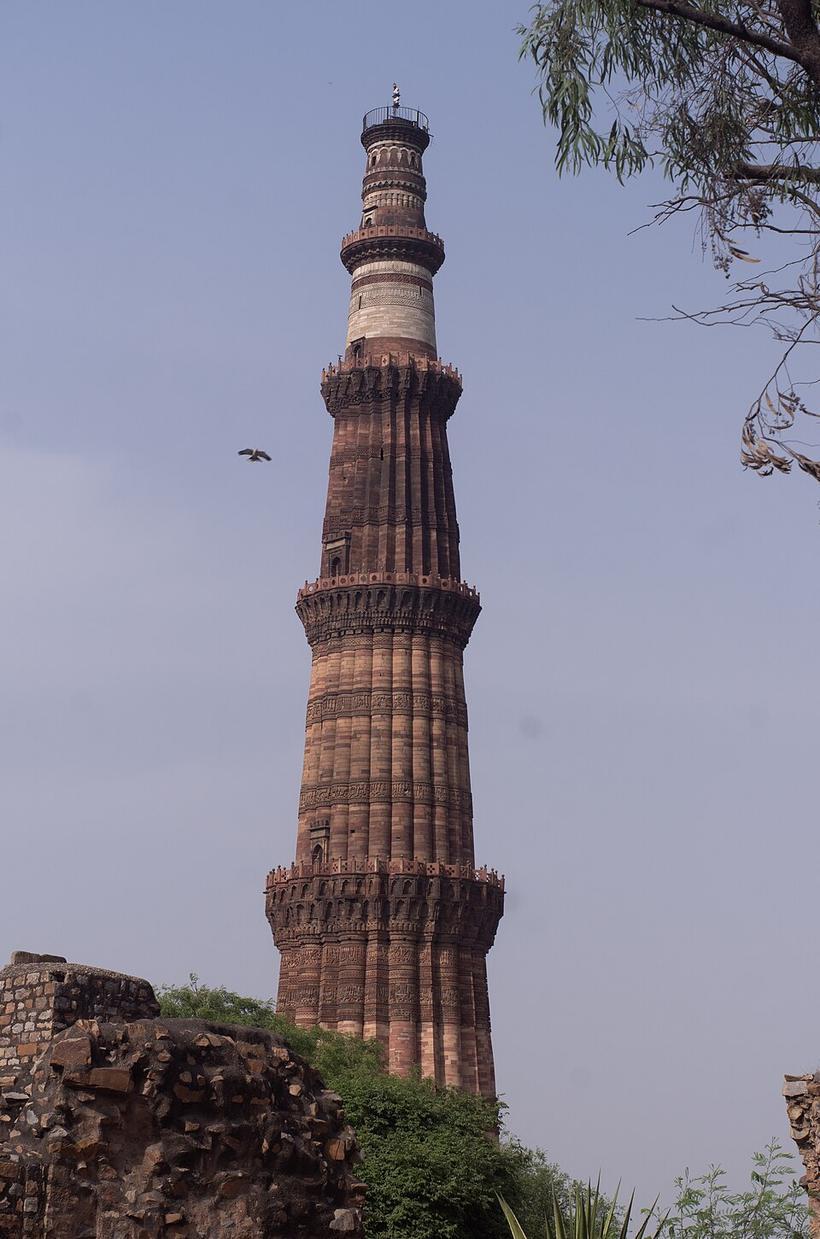
  2. Mamluks on both ends
    Scene 2Story

    Mamluks on both ends

    The minaret and the iron pillar

    • Begun around 1199 by Qutb ud-Din Aibak, a freed slave soldier
    • Delhi's 'Slave Dynasty' and Egypt's Mamluks ruled in the same century
    • Both held off the Mongols
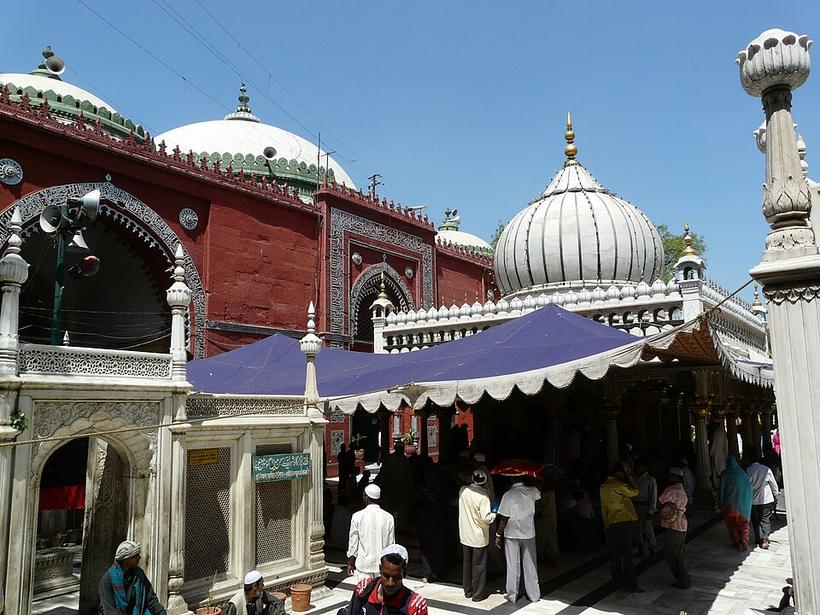
  3. Shared India
    Scene 3Visit

    Shared India

    Rose petals, qawwali singers, Hindus and Muslims in one courtyard

    • The shrine of the Sufi Nizamuddin Auliya, who died in 1325
    • His disciple Amir Khusrau mixed Persian and Hindavi: the roots of Urdu and Hindi
    • Qawwali: Sufi devotion set to music
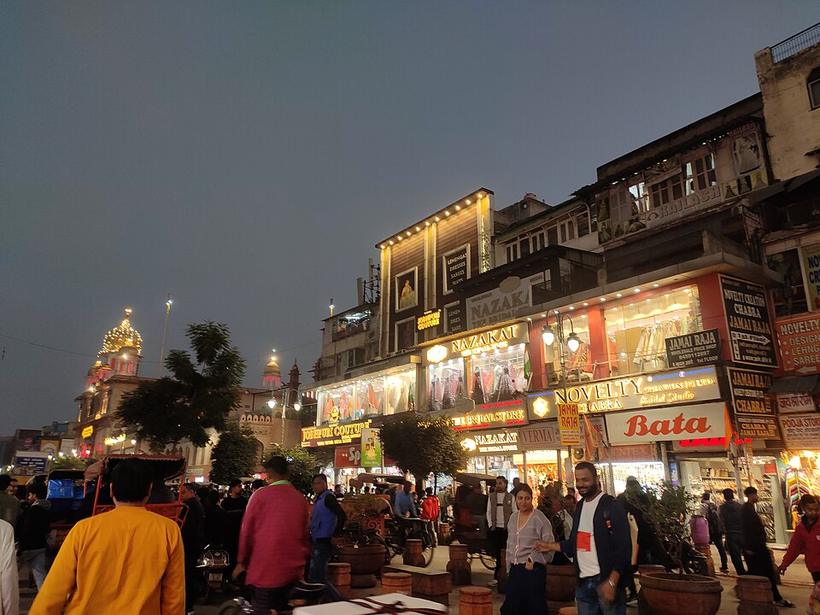
  4. Old Delhi
    Scene 4Visit

    Old Delhi

    Rickshaws, the spice market, nihari for breakfast

    • Laid out in the 1650s by Shah Jahan's daughter Jahanara
    • Khari Baoli: Asia's biggest spice market
    • Karim's, Paranthe Wali Gali, jalebi
  5. 1857
    Scene 5Story

    1857

    The fort walls, the hall where the last emperor was tried

    • 11 May 1857: rebel soldiers from Meerut reach Delhi and proclaim Bahadur Shah Zafar their leader
    • Hindus and Muslims fight together
    • The British retake the city, kill thousands, try the emperor in his own fort and exile him to Rangoon
  6. 1947
    Scene 6Story

    1947

    The old fort walls, then the garden path at Gandhi Smriti

    • Purana Qila becomes a camp for Muslims waiting to leave for Pakistan
    • Gandhi fasts for Delhi's Muslims in January 1948
    • On 30 January he is shot by a Hindu nationalist
  7. Scene 7Now

    Hindutva at 100

    Street scenes, renamed signs, saffron flags

    • The RSS, founded in 1925, is the movement behind Modi
    • Mughal chapters cut from school books; cities renamed
    • Mosques claimed; bulldozers sent to Muslim homes
    • Eid and the politics of the cow
  8. Modi's new Delhi
    Scene 8Now

    Modi's new Delhi

    The new parliament and the rebuilt ceremonial avenue

    • A new parliament, opened in 2023
    • The imperial avenue Rajpath renamed Kartavya Path
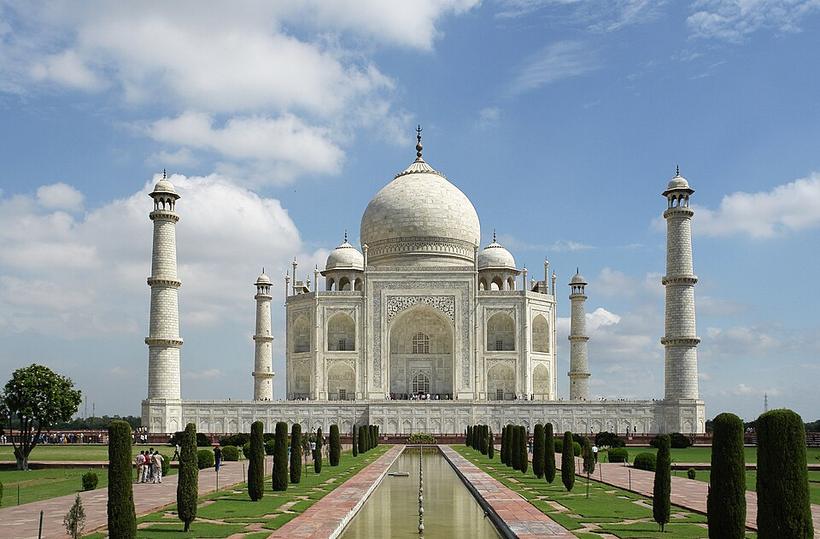
  9. The Taj Mahal
    Scene 9Visit

    The Taj Mahal

    Sunrise from the gardens, then the view from Agra Fort

    • Built by Shah Jahan for his wife, finished around 1653
    • The Hindu right claims it was a temple
    • Shah Jahan spent his last years imprisoned in Agra Fort, looking at it
  10. Scene 10Egypt mirror

    Egypt mirror

    Studio

    • Old Delhi and Islamic Cairo; Mamluks in both
    • Exiled rebels: the emperor to Rangoon, Urabi to Ceylon
    • New capitals: Modi's Central Vista and Sisi's New Administrative Capital
  11. Scene 11Visit

    Close: the season's answer

    A rooftop over Old Delhi at dusk

    • Six cities: who won India's freedom, and who's winning India now
    • Out in mid-August 2027, 80 years since independence and Partition

Where we go

Jama Masjid
SightHistoryScene 1

Jama Masjid

India's great Mughal mosque

Shah Jahan's mosque, finished in 1656, with a courtyard for 25,000 people. Climb the south minaret for the view over Old Delhi.

Eid prayers 16–17 May: arrive before dawnNo visitors at prayer times
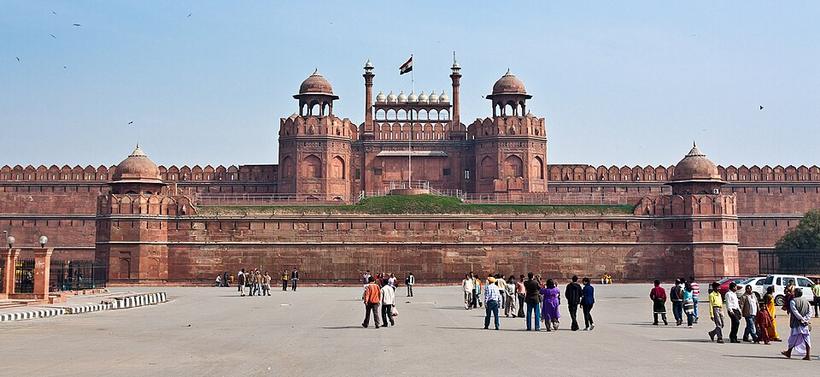
Red Fort
HistoryScene 5

Red Fort

Where 1857's rebels crowned the last emperor

The Mughal palace-fortress, finished in 1648. The 1857 rebels made it their headquarters, and the British tried the last emperor here.

Closed Mondays2 h
Chandni Chowk
SightScene 4

Chandni Chowk

Old Delhi's main street

Laid out in the 1650s, with temples, a gurdwara, a mosque and endless sweet shops along one street.

Markets closed Sundays: go Sat 15 MayMornings are cooler
Khari Baoli
Sight

Khari Baoli

Asia's biggest spice market

Wholesale lanes that smell of chilli from a block away. Climb to the roof of Gadodia Market for the view.

Closed Sundays1.5 h
Nizamuddin Dargah
SightScene 3

Nizamuddin Dargah

Sufi shrine with qawwali

Shrine of the saint Nizamuddin Auliya, with the poet Amir Khusrau buried nearby. Qawwali after sunset, biggest on Thursdays.

After sunset1.5 h
Qutb Minar
HistoryScene 2

Qutb Minar

Built by Delhi's first Mamluk sultan

A 73-metre victory tower begun around 1199 by Qutb ud-Din Aibak, a freed slave soldier who became Delhi's first sultan.

Morning1.5 h
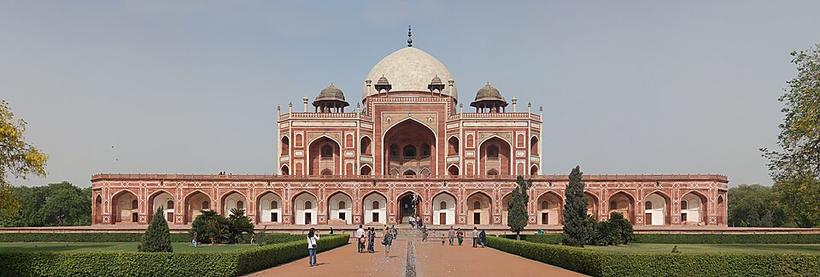
Humayun's Tomb
Sight

Humayun's Tomb

The model for the Taj

The 1570 garden tomb of the second Mughal emperor, which set the pattern the Taj Mahal followed.

Late afternoon light1.5 h
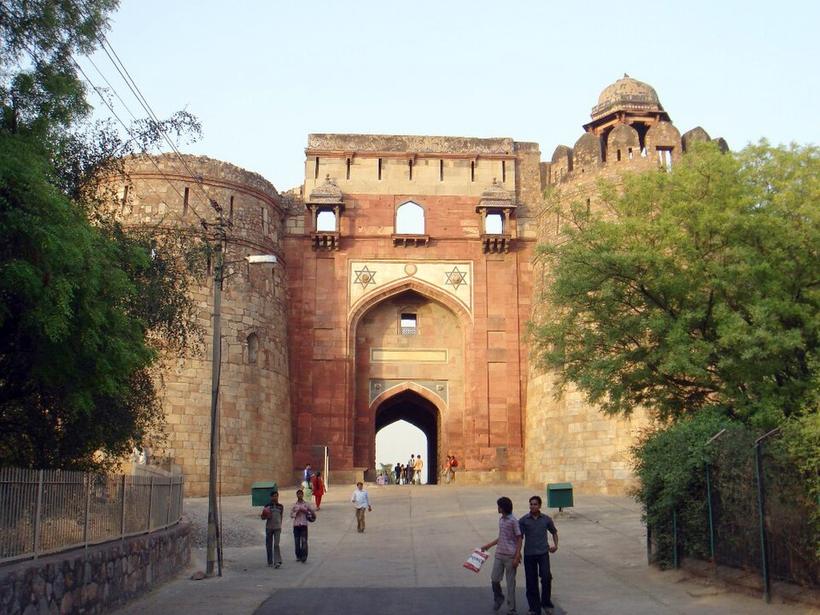
Purana Qila
HistoryScene 6

Purana Qila

A refugee camp in 1947

A 16th-century fort that in 1947 became a camp for Muslims waiting to leave for Pakistan.

1 h
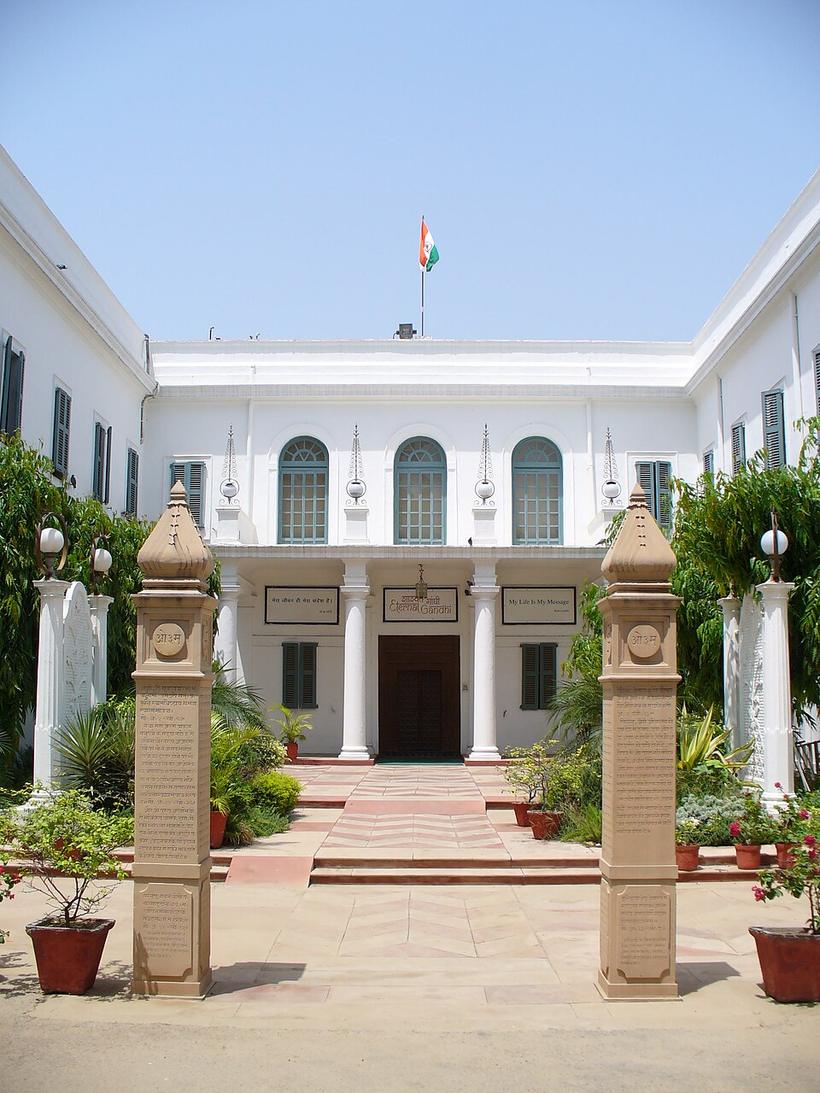
Gandhi Smriti
History

Gandhi Smriti

Where Gandhi was shot

The house where Gandhi spent his last 144 days, and the garden where he was shot on 30 January 1948. Footprints mark his last steps.

Closed Mondays1 h
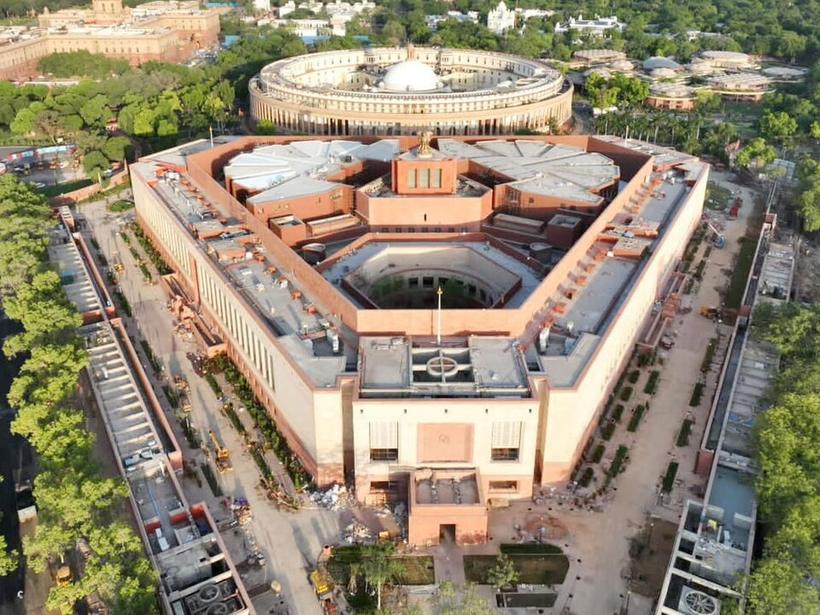
New Parliament
TodayScene 8

New Parliament

Modi's new Delhi

Opened in May 2023 as part of Modi's rebuilding of central Delhi.

Film from outside
Taj Mahal, Agra
SightScene 9

Taj Mahal, Agra

Day trip on 18 May

Shah Jahan's white marble tomb for his wife Mumtaz Mahal, finished around 1653.

Closed Fridays: we go Tue 18 MaySunrise
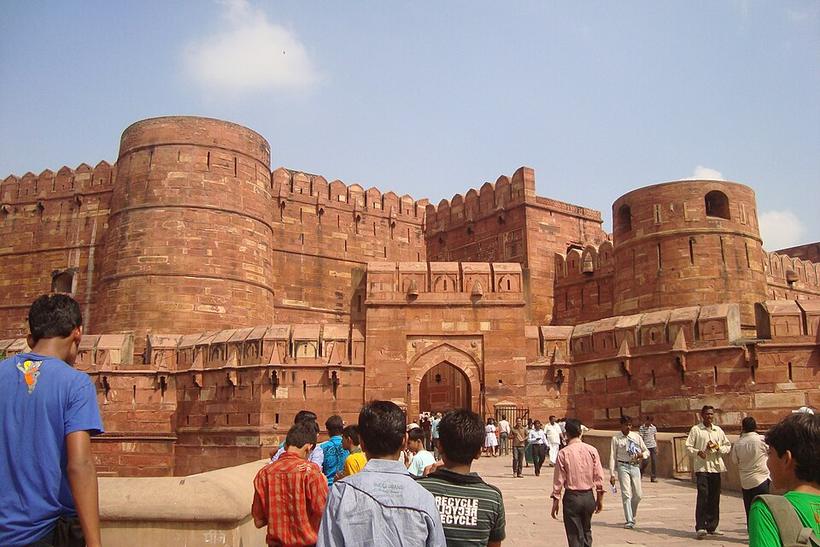
Agra Fort
History

Agra Fort

Shah Jahan's prison with a view

The red sandstone fort where Shah Jahan, deposed by his son, spent his last years looking at the Taj.

1.5 h

What we eat

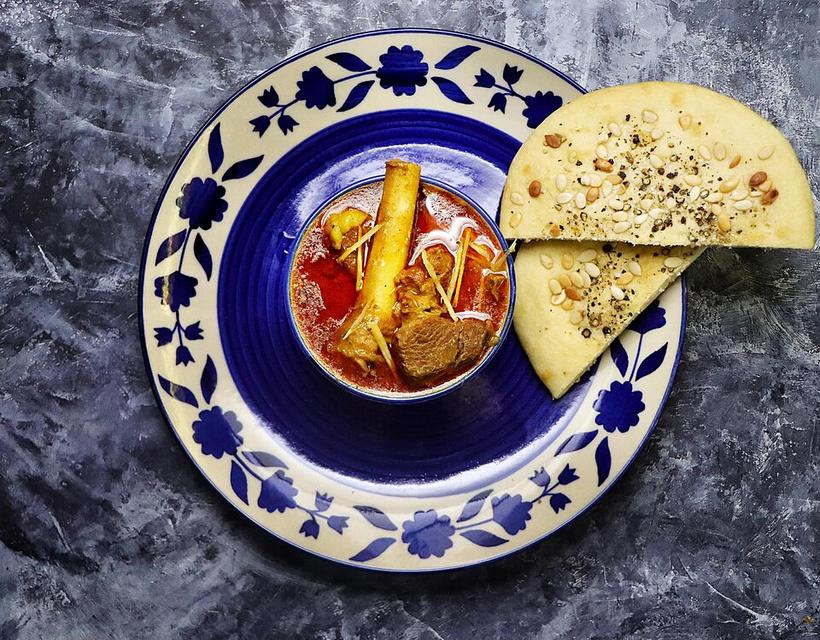
Nihari

Nihari

Slow-cooked meat stew, the Old Delhi breakfast

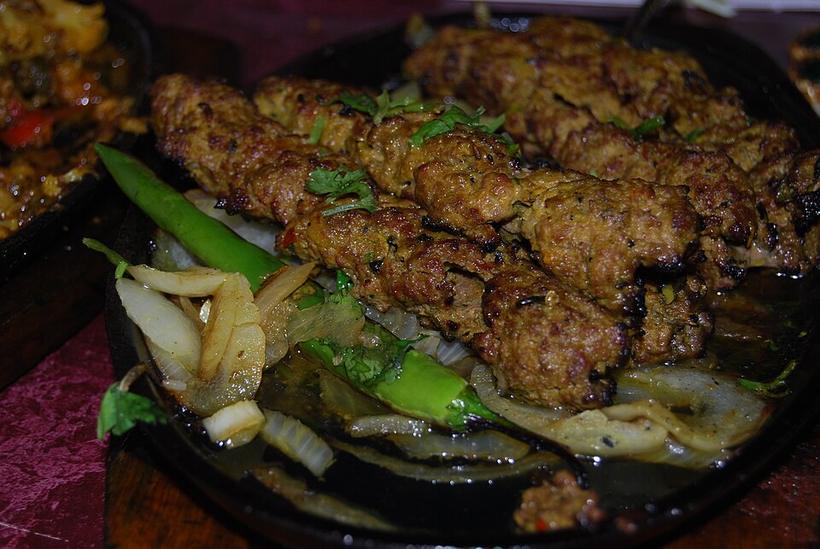
Seekh kebabs at Karim's

Seekh kebabs at Karim's

Near Jama Masjid since 1913

Paranthe Wali Gali

Paranthe Wali Gali

A lane of stuffed, fried flatbreads

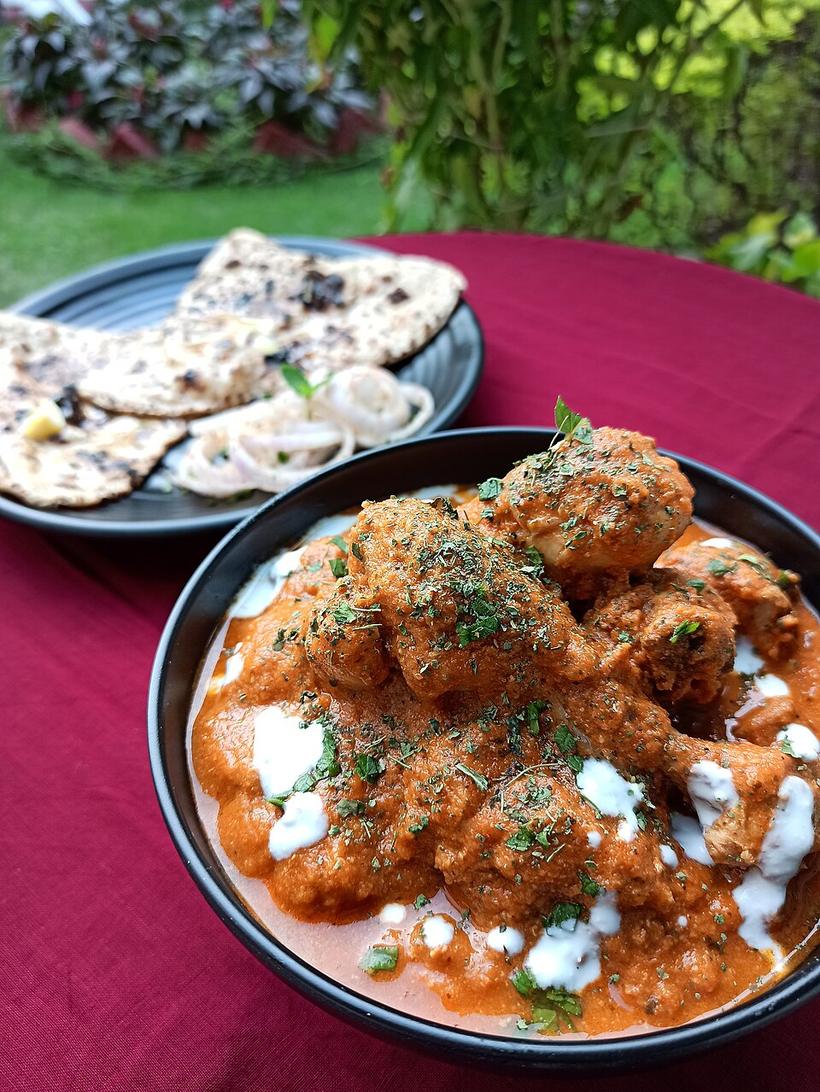
Butter chicken

Butter chicken

Invented in Delhi by Partition refugees from Peshawar

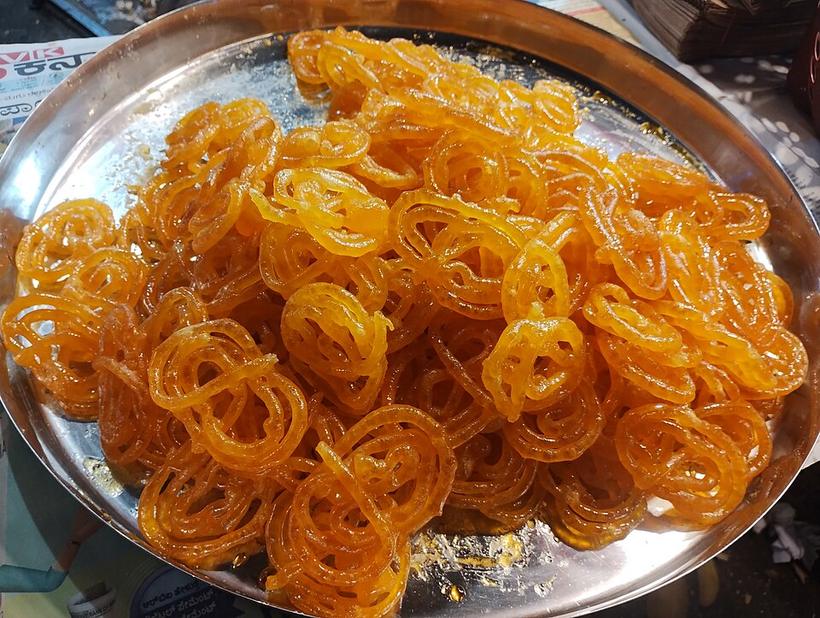
Jalebi

Jalebi

Syrup spirals, fried fresh

Petha

Petha

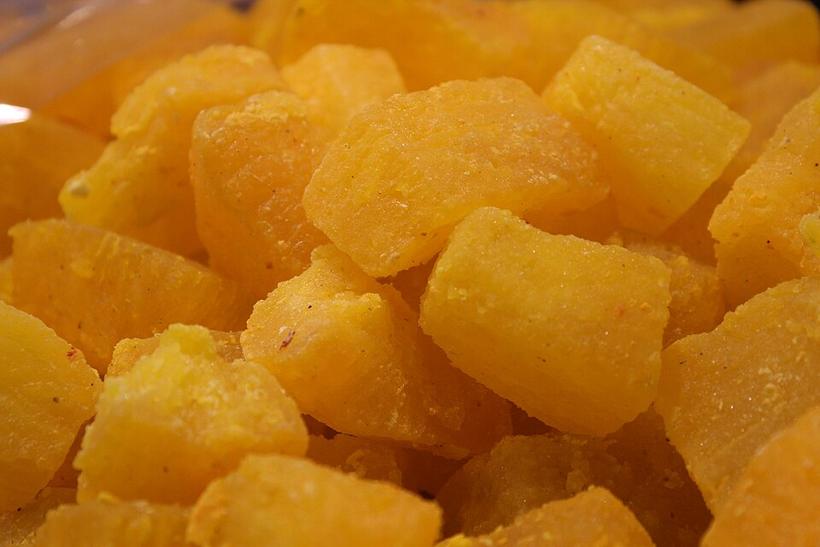
Agra's translucent pumpkin sweet

Who we talk to

Eid crowds at Jama MasjidOld Delhi shopkeepersQawwals at NizamuddinUrdu poetsHistorians of 1857 and the MughalsRSS supporters, to hear the other sideUniversity students